
Annona cherimola (Cherimoya) : medicinal properties | Lapo
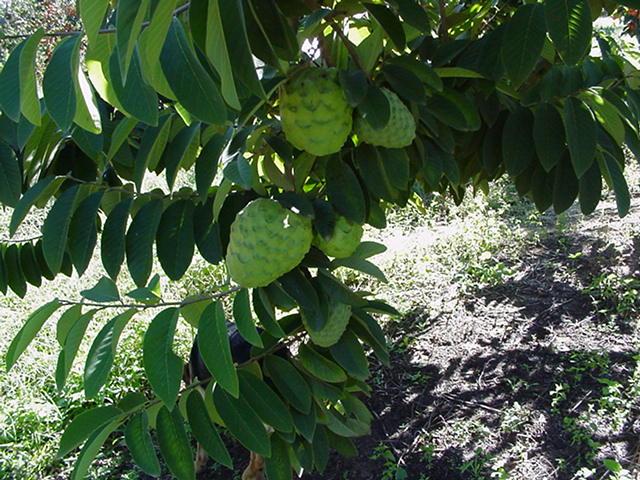
Annona cherimola (Cherimoya) : medicinal properties in alcoholic extraction
Annona cherimola (Cherimoya) — family Annonacées.
This database documents alcoholic (ethanol) extractions of active substances. Our monograph currently lists 10 indications in alcoholic extraction for this species. The monograph draws on 44 scientific references recorded for the species.
Therapeutic indications in alcoholic extraction:
Note: scientific reference excerpts are kept in their original language (most often English), without translation, to respect the source text of publications.
- Cancer : Plant part used: Sheet. Documented pharmacological profile: Cisplatine-like, Topotécan-like.
According to Ceramella J (2021): we investigated the antioxidant & anticancer properties on melanoma cells of three Annona cherimola leaves extracts (ethanolic, methanolic & aqueous). The ethanolic extract showed the most promising & interesting anticancer activity, mostly on the malignant A2058 melanoma cell line (I50-C= 5.6±0.8 ng/mL), without exerting cytotoxicity on the normal cells. According to Younes M (2020): Conclusion: All the data presented in our study suggest that AELE exhibits a selective anti-proliferative & pro-apoptotic effect on the chemo-resistant MDA-MB-231 breast cancer cells, providing evidence for the anti-tumor effects of A. - Type II diabetes mellitus : Plant part used: Sheet. Documented pharmacological profile: Acarbose-like, Canagliflozine-like. Mentioned synergistic association: Metformine, Glibenclamide, Canagliflozine, Acarbose.
According to CALZADA F (2023): Among all products tested, EEAc, the aqueous residual fraction (AcRFr), rutin, & myricetin reduced the hyperglycemia in DM2 mice. An α-glucosidase inhibition was evaluated with oral sucrose tolerance tests (OSTT) & molecular docking studies using acarbose as the control. According to Valdes M (2023): Both treatments were evaluated separately & in combination with the oral antidiabetic drugs (OADs) acarbose (Aca), metformin (Met), glibenclamide (Gli), & canagliflozin (Cana) in acute & subchronic assays. - Amoebiasis, diarrhoea, amoebic dysentery : Plant part used: Sheet. Documented pharmacological profile: Métronidazole -like.
According to Calzada F (2017): Results: The in vitro antiprotozoal assay showed that kaempferol was the most potent antiamoebic & antigiardial compound with IC50 values of 7.9 μg/mL for Entamoeba histolytica & 8.7 μg/mL for Giardia lamblia. Also, these findings give support to the use of AC in the traditional medicine from México for the treatment of diarrhea & dysentery. According to Bories C (1991): cherimolia (Annonaceae) seeds were tested for antiparasitic activity against E.
Further indications (including other extraction modes where applicable), dosages, precautions for use and full scientific references are available in the complete monograph.
Lapotitjéri di la Nati medicinal database
Ethanolic extracts of active substances — monographs, indications, dosages and references for healthcare professionals. Ethnopharmacologist Emmanuel Nossin.
→ Search Annona cherimola in the database (subscription required)
Photo credit : Photo by Marcelo RosaMelo without modification (CC BY-SA 4.0). License : CC BY-SA 4.0.