Artemisia absinthium (Gran-Labsent) : medicinal properties | Lapo
Artemisia absinthium (Gran-Labsent) : medicinal properties in alcoholic extraction
Artemisia absinthium (Gran-Labsent) — family Asteracées.
Recognised external sources linked to this monograph: French Pharmacopoeia.
This database documents alcoholic (ethanol) extractions of active substances. Our monograph currently lists 14 indications in alcoholic extraction for this species. The monograph draws on 95 scientific references recorded for the species.
Therapeutic indications in alcoholic extraction:
Note: scientific reference excerpts are kept in their original language (most often English), without translation, to respect the source text of publications.
- Cancer : Plant part used: Aerial_parts. Documented pharmacological profile: Cisplatine-like.
According to Wei X (2019): Here, we prepared AA ethanol extract (AAEE) & its subfractions including petroleum ether (AAEE-Pe) & ethyl acetate (AAEE-Ea) & investigated their antitumor effect on human hepatoma BEL-7404 cells a&mouse hepatoma H22 cells. has pharmaceutical & medicinal effects such as antimicrobial, antiparasitic, hepatoprotective, & antioxidant activities. According to Author (2023): The aim of the present study was to characterize the altered & attenuated gene expression of the selected growth factor namely Transforming growth factor Beta -1 (TGFβ1) & MYC in human hepatoma-derived (Huh7) liver cancer cell lines in response to extracts of Artemisia absinthium dissolved in selected organic solvents. - Insomnia, nervousness : Plant part used: Aerial_parts. Documented pharmacological profile: Diazépam-like.
According to Szopa A (2020): In the traditional Asian & European medicine, it has been used as an effective agent in gastrointestinal ailments & also in the treatment of helminthiasis, anaemia, insomnia, bladder diseases, difficult-to-heal wounds, & fever. According to Rakhshandeh H (2021): The use of medicinal herbs for insomnia treatment has recently been suggested. Current drugs used in the management of insomnia are associated with side effects. - Malaria : Plant part used: Sheet. Documented pharmacological profile: Coartem-like.
According to -Ramazani A (2010): annua at concentrations of 200 mg/kg for 4 days reduced parasitemia in BALB/C mice infected with Plasmodium berghei by 94.28% & 83.28%, respectively, but we could not detect artemisinin in all plants studied in this research. Dried plants were extracted by 80% ethanol, & total extracts were investigated for antiplasmodial property & artemisinin content by TLC, HPLC, & d1H-NMR techniques. According to Bamunuarachchi GS (n.d.): Artemisinin isolated from Artemisia annua is the most potent antimalarial against chloroquine resistant Plasmodium falciparum malaria.
Further indications (including other extraction modes where applicable), dosages, precautions for use and full scientific references are available in the complete monograph.
Lapotitjéri di la Nati medicinal database
Ethanolic extracts of active substances — monographs, indications, dosages and references for healthcare professionals. Ethnopharmacologist Emmanuel Nossin.
→ Search Artemisia absinthium in the database (subscription required)
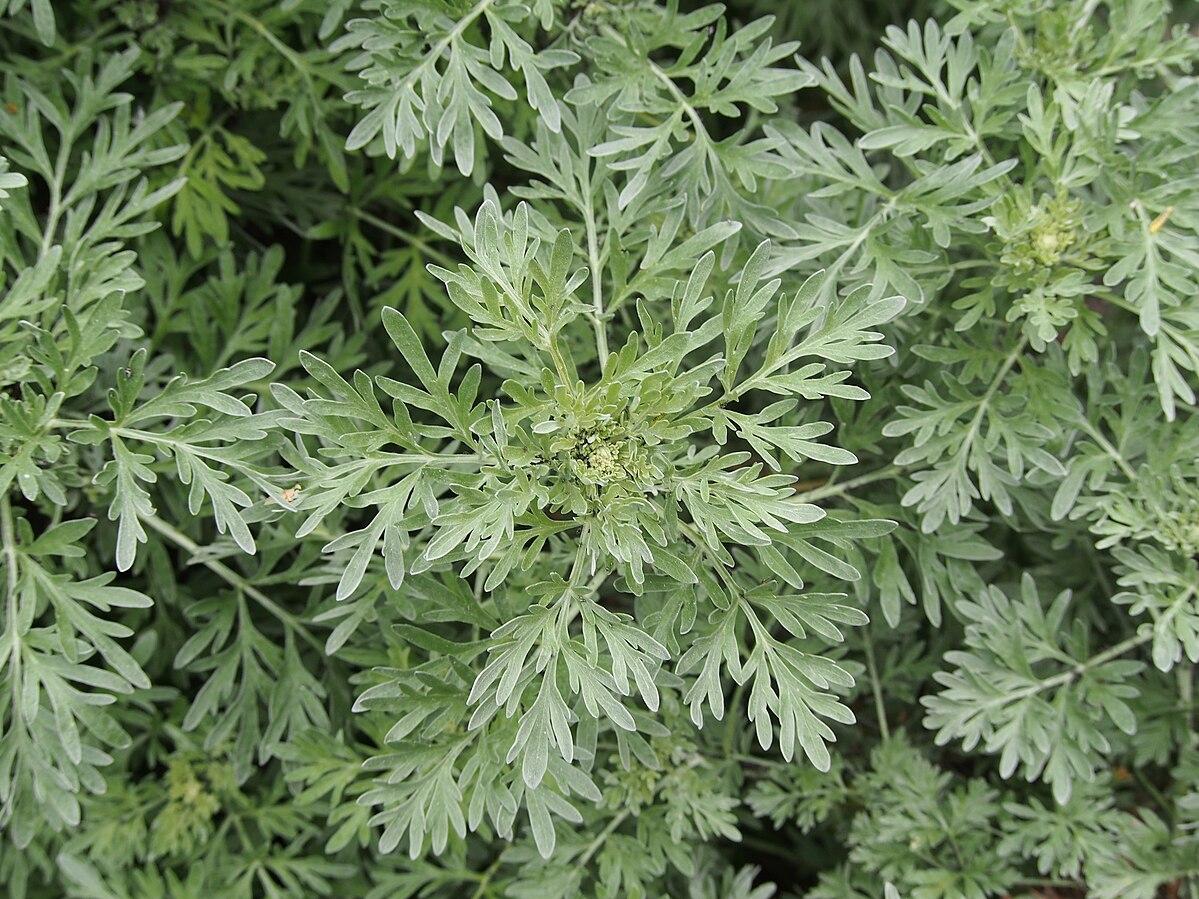
Photo credit : Photo by Agnieszka Kwiecień, Nova without modification (CC BY 4.0). License : CC BY 4.0.