Asparagus racemosus (Mouslinn’) : medicinal properties | Lapo
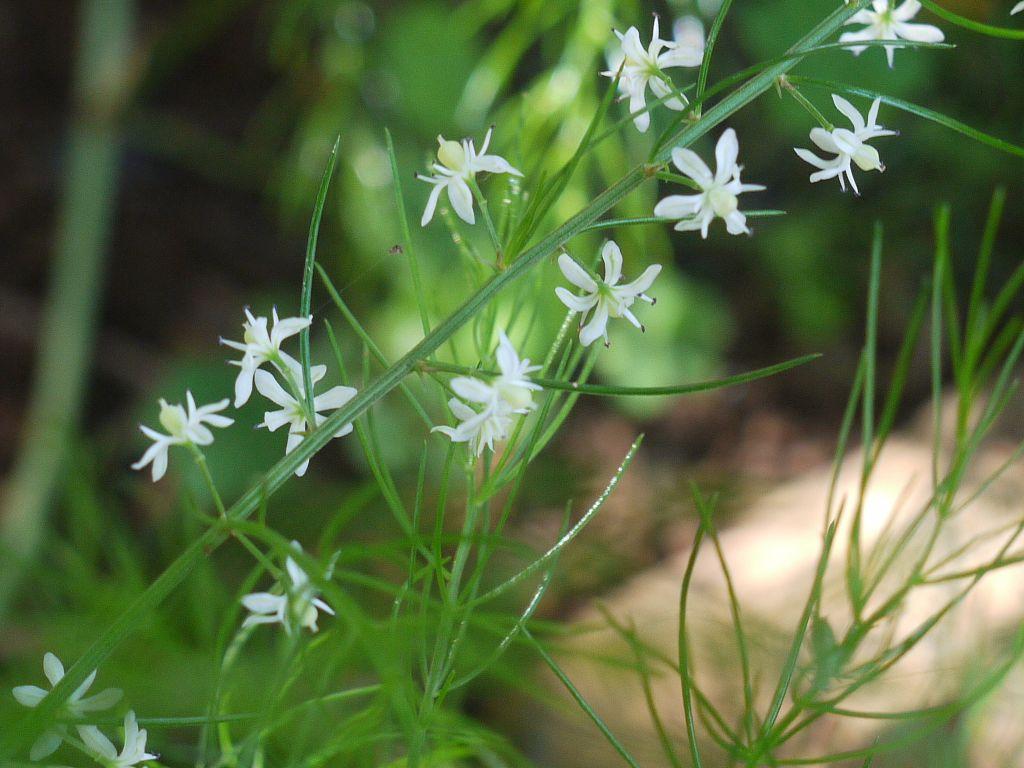
Asparagus racemosus (Mouslinn’) : medicinal properties in alcoholic extraction
Asparagus racemosus (Mouslinn’) — family Asparagacées.
This database documents alcoholic (ethanol) extractions of active substances. Our monograph currently lists 19 indications in alcoholic extraction for this species. The monograph draws on 145 scientific references recorded for the species.
Therapeutic indications in alcoholic extraction:
Note: scientific reference excerpts are kept in their original language (most often English), without translation, to respect the source text of publications.
- Pheretima Posthuma helminthiasis : Plant part used: Aerial_parts. Documented pharmacological profile: Pipérazine-like. Mentioned synergistic association: ANDROGRAPHIS PANICULATA-(Burm.f)-Nees, Dioscorea villosaparties aériennes.
According to Gupta S (2012): For anthelmintic study, the concentrations of 20 & 40 mg/ml were used against Pheretima posthuma (Earthworms). All the plant extracts as well as their combination showed significant anthelmintic & antimicrobial potential. According to Deep Soren A (2021): The study aimed to investigate the anthelmintic credentials of this plant, using two representative groups of helminth parasites. - Osteoarthritis, arthritis, rheumatism, oedema : Plant part used: Sheet. Documented pharmacological profile: Indometacine-like.
According to Battu GR (2010): Study on ethanol extract from the leaves of AR of Indian origin revealed that ethanol extract displayed marked anti-inflammatory effect at a dose of 600 mg/kg causing a maximum inhibition of about 46 % in paw oedema induced by carrageenan. Phytochemical screening of the ethanol extract of leaves of AR revealed that sterols & flavonoids type of compounds might be possibly responsible for the anti-inflammatory activity of the extract, which supports the folk medicinal utilization of this plant. According to Alok S (2013): AR has also been successfully by some Ayurvedic practitioner for nervous disorder, inflammation & certain infectious disease. - Convulsion, epileptic fit : Plant part used: Root. Documented pharmacological profile: Clonazépam-like, Diazépam-like, Phénytoïne-like.
According to Shastry RA (2015): Methodology: The anticonvulsant effect of ethanolic extract of A. Conclusion: The data obtained suggest that the plant has anticonvulsant property. According to Pahwa P (2022): Therefore, in this study, we investigated the anticonvulsant effect of AR in a mouse model of catamenial epilepsy.
Further indications (including other extraction modes where applicable), dosages, precautions for use and full scientific references are available in the complete monograph.
Lapotitjéri di la Nati medicinal database
Ethanolic extracts of active substances — monographs, indications, dosages and references for healthcare professionals. Ethnopharmacologist Emmanuel Nossin.
→ Search Asparagus racemosus in the database (subscription required)
Photo credit : Photo by Shatavari without modification (CC BY-SA 2.0). License : CC BY-SA 2.0.