
Bougainvillea spectabilis (Bougenvilié) | Lapo
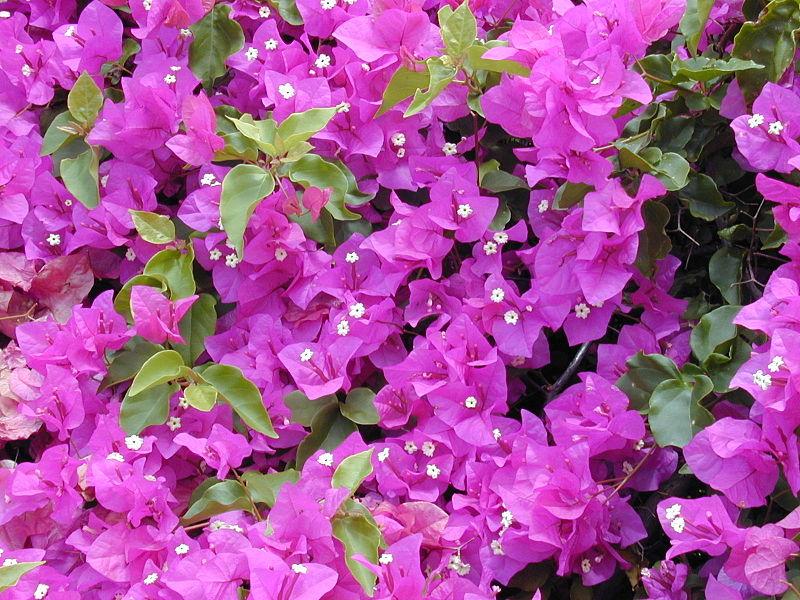
Bougainvillea spectabilis (Bougenvilié) : medicinal properties in alcoholic extraction
Bougainvillea spectabilis (Bougenvilié) — family Nyctaginacées.
This database documents alcoholic (ethanol) extractions of active substances. Our monograph currently lists 17 indications in alcoholic extraction for this species. The monograph draws on 57 scientific references recorded for the species.
Therapeutic indications in alcoholic extraction:
Note: scientific reference excerpts are kept in their original language (most often English), without translation, to respect the source text of publications.
- Bacterial infection : Plant part used: Sheet. Documented pharmacological profile: Ampicilline-like, Gentamycine-like, Tetracycline-like.
According to Atiq Fawad S (2012): The Gram negative microbes Proteus vulgaris [(16.00 ± 0.15) mm] & Serratia marcescens [(16.00 ± 0.06) mm] gave maximum inhibitory effects for the ethanolic extracts of BV, while Salmonella typhimurium [(17.26 ± 0.12) mm] gave a maximum zone of inhibition for themethanolic extract of BS. No inhibitory effects were observed for the extracts of BS or BV against Enterococcus faecalis, Vibro cholera or Klebsiella pneumoniae. According to Umamaheswari A (2008): The bacteria used in the study were Staphycococcus aureus, Bacillus subtilis, Streptococcus faecalis, Micrococcus luteus, Escherichia coli, Pseudomonas aeruginosa, Salmonella typhii, Klebsiella pneumoniae, Proteus vulgaris, Serratia marcescens, Shigella flexneri & Vibrio cholerae. - Type II diabetes mellitus : Plant part used: Root. Documented pharmacological profile: Glibenclamide-like.
According to Jawla S (2012): Conclusion: Treatment of alloxan induced diabetic rats up to a week with stem bark extract reversed the permanent hyperglycemia. spectabilis were administered to both normal & alloxan induced diabetic rats at defined time intervals. According to Jawla S (2011): Major conclusion: Permanent hyperglycemia in alloxan induced diabetic rats was reversed when treated up to a week with EtOH extract of BS root bark. - Osteoarthritis, arthritis, rheumatism, oedema : Plant part used: Flower. Documented pharmacological profile: Diclofénac-like.
According to Singh V (2018): In vitro studies were conducted for anti-inflammatory & antioxidant activities. Materials & Methods: Research is principally focused on evaluating the effect of various parts of this plant on its anti-inflammatory & antioxidant effects. According to Mandal G (2015): Mandal G et al, Evaluation of anti-inflammatory activity of methanolic extract of leaves of Bougainvillea spectabilis in experimental animal models.
Further indications (including other extraction modes where applicable), dosages, precautions for use and full scientific references are available in the complete monograph.
Lapotitjéri di la Nati medicinal database
Ethanolic extracts of active substances — monographs, indications, dosages and references for healthcare professionals. Ethnopharmacologist Emmanuel Nossin.
→ Search Bougainvillea spectabilis in the database (subscription required)
Photo credit : Photo by Forest & Kim Starr without modification (CC BY-SA 3.0). License : CC BY-SA 3.0.