
Cannabis sativa (Kanabis) : medicinal properties | Lapo
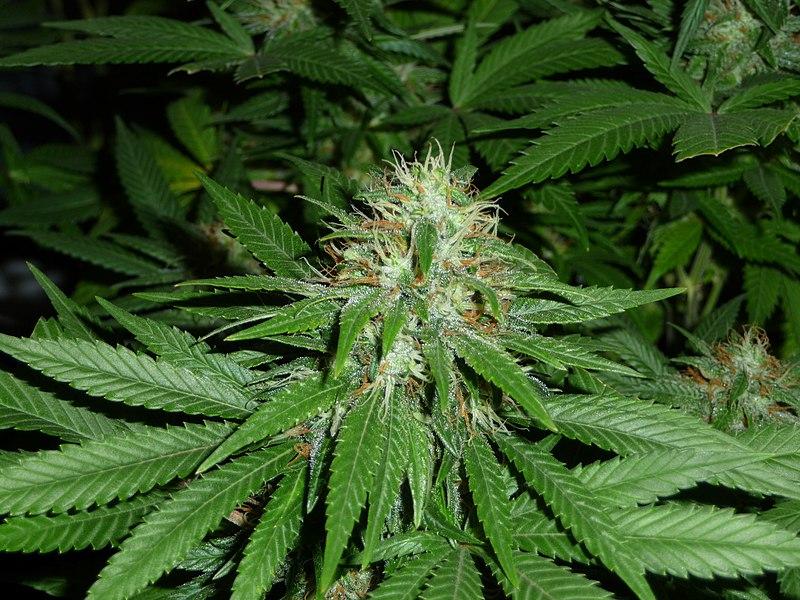
Cannabis sativa (Kanabis) : medicinal properties in alcoholic extraction
Cannabis sativa (Kanabis) — family Cannabinacées.
This database documents alcoholic (ethanol) extractions of active substances. Our monograph currently lists 5 indications in alcoholic extraction for this species. The monograph draws on 125 scientific references recorded for the species.
Therapeutic indications in alcoholic extraction:
Note: scientific reference excerpts are kept in their original language (most often English), without translation, to respect the source text of publications.
- Cancer : Plant part used: Aerial parts. Documented pharmacological profile: Gemcitabine-like.
According to Emhemmed F (2022): Thus, we wished to identify compounds with anticancer activity on human pancreatic tumor cell lines. Additionally, while gemcitabine, a gold standard drug in the treatment of pancreatic cancer, only triggers cell cycle arrest in G0/G1, CBD also activates the cell signaling cascade to lead to programmed cell death. According to Massi P (2004): Recently, cannabinoids (CBs) have been shown to possess antitumor properties. - Pain, diabetic neuropathy, allodynia : Plant part used: Sheet. Documented pharmacological profile: Aspirine-like, Diclofenac-like.
According to Casey SL (2017): Unlike THC, the low dose THC:CBD anti-allodynia was not cannabinoid receptor mediated. This suggests that low dose THC:CBD combination treatment has potential in the treatment of neuropathic pain. According to Arora A (2017): This study suggests that CS has a beneficial effect in diabetic neuropathic pain. - Bacterial infection : Plant part used: Sheet.
According to Naveed M (2014): This present study has been attempting to determine the antibacterial activity of Cannabis sativa leaf extract to some selective pathogenic bacterial strains such as Staphylococcus aureus, Escherichia coli, Pseudomonas aeruginosa, Enterococcus faecalis, Salmonella typhi & Klebsiella by using leaf Ethanol extract & Hot water extract. The leaf of C Sativa exerted pronounced antibacterial activity (24.1mm) against Staphylococcus aureus, (10.3mm) against Pseudomonas aeruginosa, (22.2mm) against Escherichia coli, (18.1mm) against Enterococcus faecalis respectively & inactive against the two strains Salmonella typhi & Klebsiella. According to Appendino G (2008): All five major cannabinoids (cannabidiol (1b), cannabichromene (2), cannabigerol (3b), Delta (9)-tetrahydrocannabinol (4b), & cannabinol (5)) showed potent activity against a variety of methicillin-resistant Staphylococcus aureus (MRSA) strains of current clinical relevance.
Further indications (including other extraction modes where applicable), dosages, precautions for use and full scientific references are available in the complete monograph.
Lapotitjéri di la Nati medicinal database
Ethanolic extracts of active substances — monographs, indications, dosages and references for healthcare professionals. Ethnopharmacologist Emmanuel Nossin.
→ Search Cannabis sativa in the database (subscription required)
Photo credit : Photo by Pavel Ševela without modification (CC BY-SA 3.0). License : CC BY-SA 3.0.