
Capparis spinosa (Gwo Mouzanmbé: Gwo kaya) | Lapo
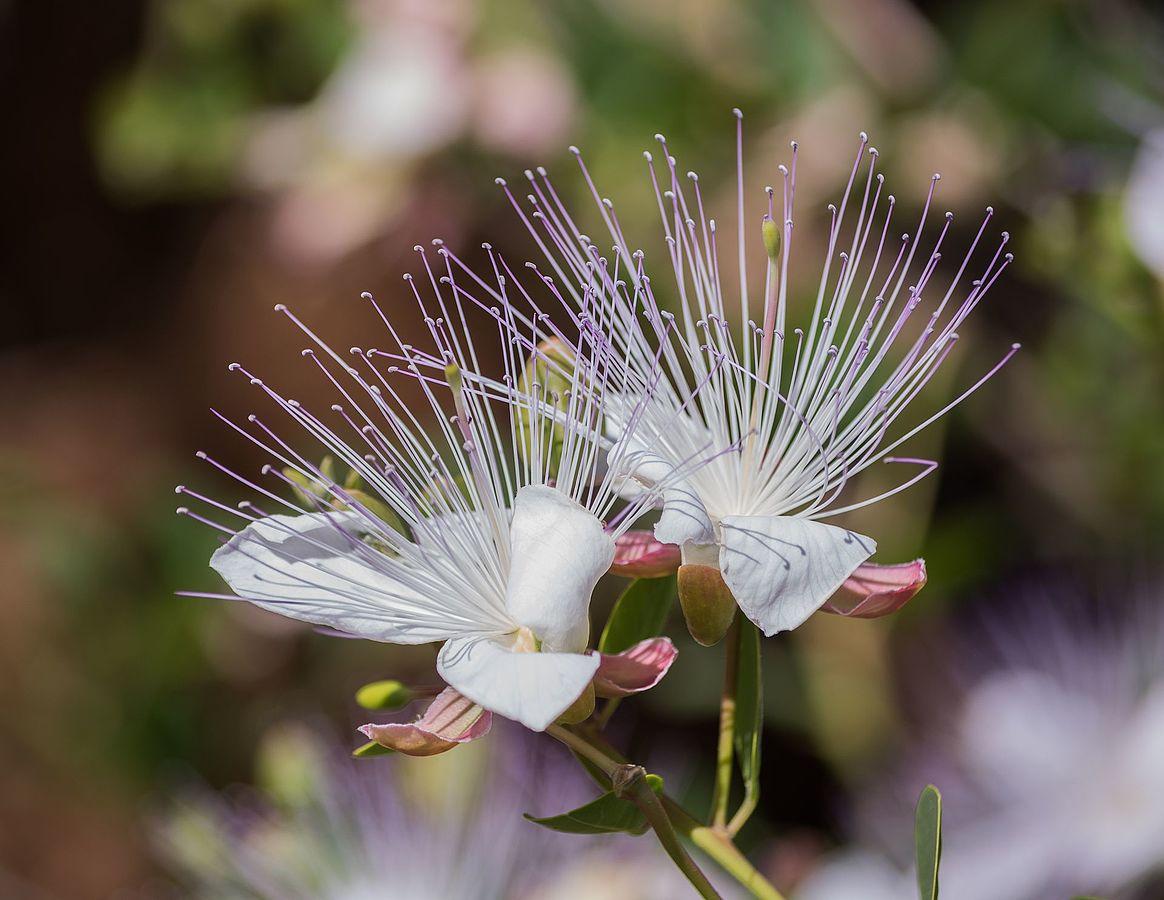
Capparis spinosa (Gwo Mouzanmbé: Gwo kaya) : medicinal properties in alcoholic extraction
Capparis spinosa (Gwo Mouzanmbé: Gwo kaya) — family Capparacées.
This database documents alcoholic (ethanol) extractions of active substances. Our monograph currently lists 21 indications in alcoholic extraction for this species. The monograph draws on 170 scientific references recorded for the species.
Therapeutic indications in alcoholic extraction:
Note: scientific reference excerpts are kept in their original language (most often English), without translation, to respect the source text of publications.
- Ulcerative colitis : Plant part used: Aerial parts. Documented pharmacological profile: Sulfasalazine-like, Prednisolone-like.
According to Aichour R (2018): The methanol extracts showing effective in vitro anti-inflammatory activity were also tested for in vivo anti- inflammatory activity by carrageenan-induced paw edema in mice model. the aim of this study was to evaluate anti-inflammatory & hepatoprotective effects of methanolic extracts from fruits & leaves of Capparis spinosa. According to Zhou H (2010): The present study was carried out to study the anti-inflammatory activities of C. - Type II diabetes mellitus : Plant part used: Root. Documented pharmacological profile: Glibenclamide-like.
According to Kazemian M (2015): Rats were rendered diabetic (streptozotocin 60 mg/kg, i.p.) & treated with 0.2, 0.4 g/ kg of plant extract or Glibenclamide for four weeks. Diabetes mellitus is the most common metabolic disorders with severe impact on quality of life. According to Huseini H.F (2013): (Caper) fruit is traditionally used as an anti-hyperglycemic food by Iranian diabetic patients. - Bacterial infection : Plant part used: Aerial parts.
According to Gull T (2015): The effect of these extracts was evaluated on the growth of four bacteria i.e., Staphylococcus aureus, Escherichia coli, Bacillus subtilis & Pasteurella multocida using disc diffusion & minimum inhibitory concentration (MIC) assays. coli population was effectively reduced by methanolic extracts of C. According to Mazarei F (2017): A much more antimicrobial activity using this polysaccharide against Gram-negative bacteria (Escherichia coli, Shigella dysenteriae & Salmonella typhi) was found than Gram-positive bacteria (Bacillus pains & Staphylococcus aureus).
Further indications (including other extraction modes where applicable), dosages, precautions for use and full scientific references are available in the complete monograph.
Lapotitjéri di la Nati medicinal database
Ethanolic extracts of active substances — monographs, indications, dosages and references for healthcare professionals. Ethnopharmacologist Emmanuel Nossin.
→ Search Capparis spinosa in the database (subscription required)
Photo credit : Photo by IssamBarhoumi without modification (CC BY 4.0). License : CC BY 4.0.