
Casuarina equisetifolia (Filao) : medicinal properties | Lapo
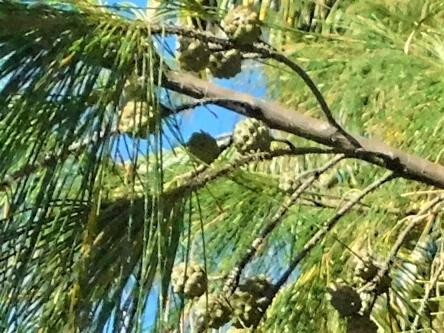
Casuarina equisetifolia (Filao) : medicinal properties in alcoholic extraction
Casuarina equisetifolia (Filao) — family Casuarinacées.
This database documents alcoholic (ethanol) extractions of active substances. Our monograph currently lists 10 indications in alcoholic extraction for this species. The monograph draws on 51 scientific references recorded for the species.
Therapeutic indications in alcoholic extraction:
Note: scientific reference excerpts are kept in their original language (most often English), without translation, to respect the source text of publications.
- Fungal infection : Plant part used: Sheet. Documented pharmacological profile: Amphotericine B-like, Nystatine-like.
According to Kumar N (2015): pneumoniae & Aspergillus niger, Aspergillus flavus, Rhizopus & Fusarium. The antimicrobial activities of leaves & bark extract were investigated against medically important bacterial & fungal species, namely S. According to Gumgumjee NM (2012): The most susceptible fungi were Aspergillus flavus while the most resistant fungi were Candida albicans. - Diarrhoea : Plant part used: Bark. Documented pharmacological profile: Diphénoxylate-like.
According to Senthil Kumar KK (2011): Senthil Kumar KK et al, Pharmacological studies of anti diarrhoeal activity of Casuarina equisetifolia (L.) in experimental animals Asian J of Pharmaceut Sci & Technol, 1(1): 8-11, 2011,. According to Kumar S (2011): Antidiarrhoeal activity of 90% ethanol extract of C equisetifolia was investigated in this study using castor oil-induced-diarrhoea, enteropooling and Small intestinal transit models in rats. The purpose of the present study was to evaluate scientifically the antidiarrhoeal effects of ethanolic (90%) extract of Casuarina equisetifolia was studied against castor oil-induced-diarrhoea model in rats. - Microbial infection : Plant part used: Sheet. Documented pharmacological profile: Ciprofloxacine-like, Streptomycine-like.
According to Gumgumjee NM (2012): To evaluate the scientific basis for the use of the plant, the antimicrobial activities of leaves extract was investigated against 7 medically important bacterial strains, namely Bacillus subtilis, Methicillin-Resistant Staphylococcus aureus (MRSA), Micrococcus, Escherichia coli, Pseudomonas aeruginosa & Klebsiella pneumoniae & 4 fungi. aureus, followed by K. According to Kumar N (2015): coli, Pseudomonas aeruginosa, Proteus vulgaris K.
Further indications (including other extraction modes where applicable), dosages, precautions for use and full scientific references are available in the complete monograph.
Lapotitjéri di la Nati medicinal database
Ethanolic extracts of active substances — monographs, indications, dosages and references for healthcare professionals. Ethnopharmacologist Emmanuel Nossin.
→ Search Casuarina equisetifolia in the database (subscription required)
Photo credit : Photo de Dinesh Valke sans modification. License : CC BY-SA 4.0.