
Centella asiatica (Ich-tig) : medicinal properties | Lapo
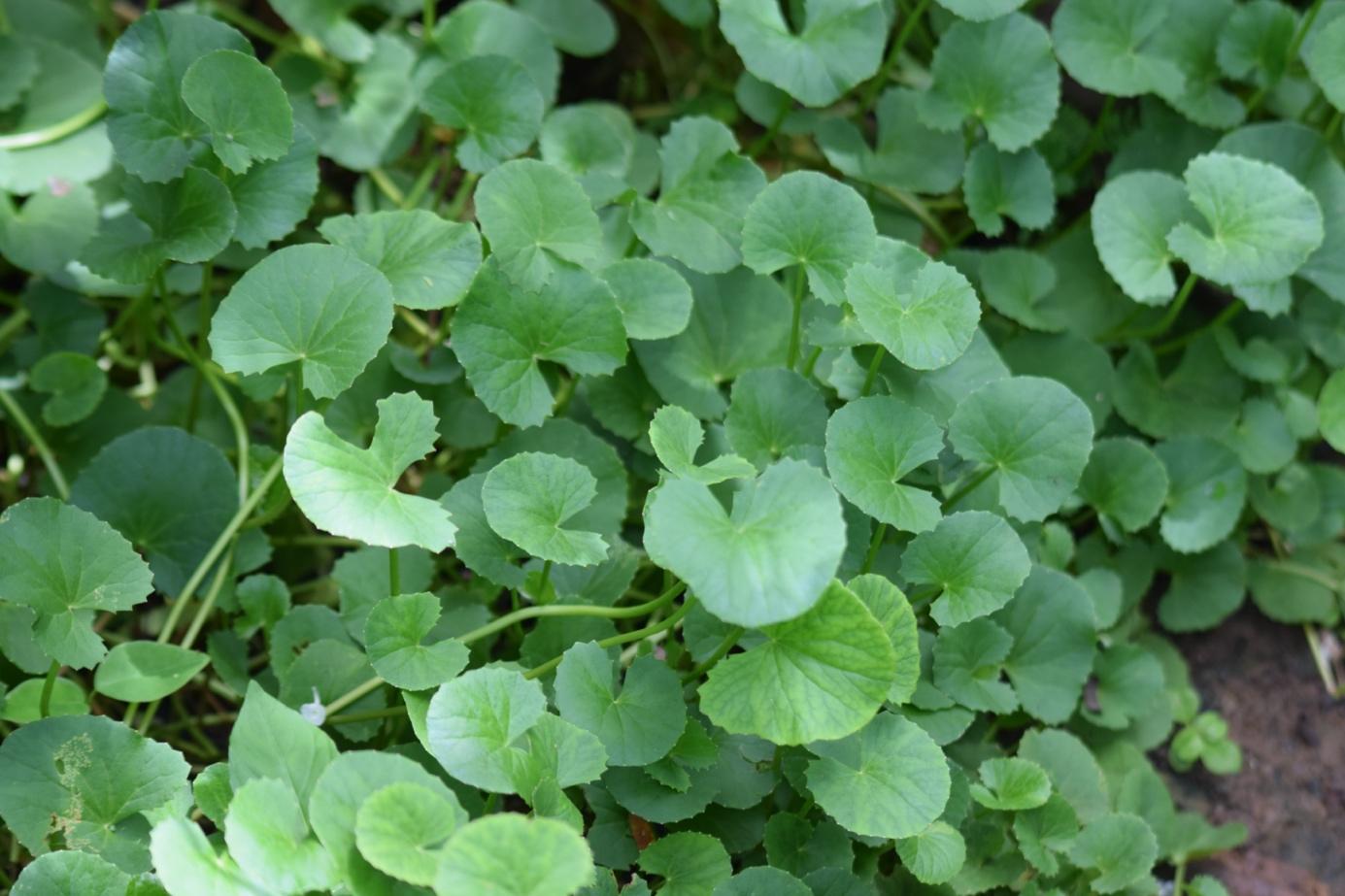
Centella asiatica (Ich-tig) : medicinal properties in alcoholic extraction
Centella asiatica (Ich-tig) — family Apiacées.
Recognised external sources linked to this monograph: French Pharmacopoeia.
This database documents alcoholic (ethanol) extractions of active substances. Our monograph currently lists 40 indications in alcoholic extraction for this species. The monograph draws on 224 scientific references recorded for the species.
Therapeutic indications in alcoholic extraction:
Note: scientific reference excerpts are kept in their original language (most often English), without translation, to respect the source text of publications.
- Cancer : Plant part used: Sheet. Documented pharmacological profile: Tamoxifène-like.
According to Author (2020): Therefore, the use of anticancer agents derived from natural products may be a solution. Asiatic acid (AA), extracted from Centella asiatica, was found to have anticancer activity in various cancers. According to Hamid IS (2016): The significant difference (p<0.05) of C asiatica leaves extract on the number of benzo (a) pyrene which induced by lung tumor nodules. - Adjuvant treatment for neurovegetative disorders : Plant part used: Sheet.
According to FIRDAUS Z (2022): Aluminum (Al) is linked to the development of many neurological disorders such as Alzheimer's disease (AD), Parkinson's disease, & autism. According to SURESH M (2010): The ethanolic extract of Centella asiatica was screened against Mycobacterium tuberculosis by microdilution bioassay in L-J (Lowenstein-Jensen) media and Versa-Trek rapid culture system. - Bacterial infection : Plant part used: Aerial parts. Documented pharmacological profile: Piperacilline_Tazobactam-like.
According to Oyedeji OA (2005): The essential oil extract exhibited a broad spectrum of antibacterial activities against Gram-positive (Bacillus subtilis, Staphylococcus aureus.) & Gram-negative (Escherichia coli, Pseudomonas aeruginosa, Shigella sonnei.) organisms. According to DHIVYA SM (2023): Biol Forum, an Inter JL, 2023-Abstract; The purpose of this research is to investigate the antimicrobial efficacy in Centella asiatica & Hydrocotyle verticillata against the gram positive (Staphylococcus aureus, Bacillus subtilis) & gram negative (Escherichia coli, Klebsiella pneumoniae) bacteria. The benzene extract of C asiatica inhibits the bacteria Staphylococcus aureus, Bacillus subtilis, Escherichia coli & Klebsiella pneumoniae with a zone of inhibition of 9.7 ± 0.2mm, 8.6 ± 0.3mm, 7.8 ± 0.2mm & 6.2 ± 0.3mm, respectively & the same extract of H verticillata showed an inhibition zone of 10.6 ± 0.2mm, 9.6 ± 0.3mm, 8.2 ± 0.2mm & 7.4 ± 0.3mm respectively.
Further indications (including other extraction modes where applicable), dosages, precautions for use and full scientific references are available in the complete monograph.
Lapotitjéri di la Nati medicinal database
Ethanolic extracts of active substances — monographs, indications, dosages and references for healthcare professionals. Ethnopharmacologist Emmanuel Nossin.
→ Search Centella asiatica in the database (subscription required)
Photo credit : Photo by Md. Siddiq Hasan without modification (CC BY 4.0). License : CC BY 4.0.