Citrus aurantifolia (Sitwon) : medicinal properties | Lapo
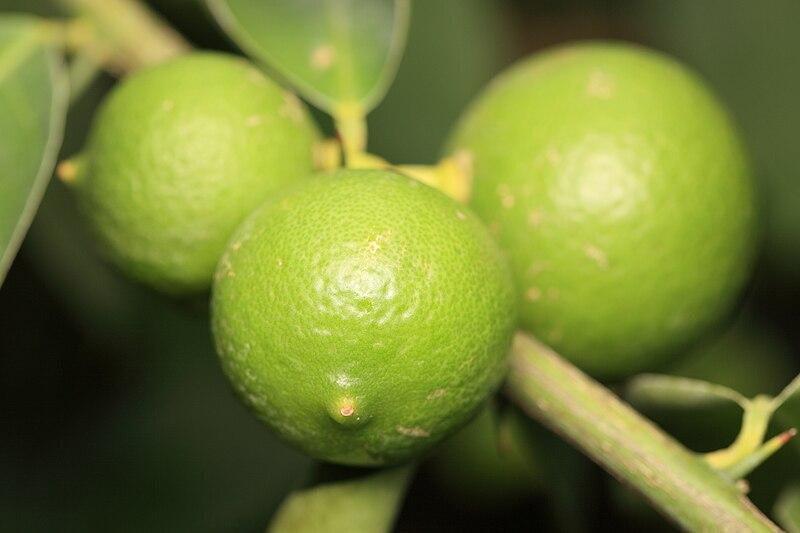
Citrus aurantifolia (Sitwon) : medicinal properties in alcoholic extraction
Citrus aurantifolia (Sitwon) — family Rutacées.
Recognised external sources linked to this monograph: TRAMIL and French Pharmacopoeia.
This database documents alcoholic (ethanol) extractions of active substances. Our monograph currently lists 15 indications in alcoholic extraction for this species. The monograph draws on 90 scientific references recorded for the species.
Therapeutic indications in alcoholic extraction:
Note: scientific reference excerpts are kept in their original language (most often English), without translation, to respect the source text of publications.
- Bacterial infection : Plant part used: Sheet. Documented pharmacological profile: Ciprofloxacine-like. Mentioned synergistic association: Kalantchoe pinnata-feuille.
According to Aibinu I (2007): The clinical isolates used included Anaerobic facultative bacteria, namely: Staphylococcus aureus ATCC 25213, Staphylococcus aureus, Salmonella paratyphi, Shigella flexnerii, Streptococcus faecalis, Citrobacter spp, Serratia spp, Klebsiella pneumoniae, Pseudomonas aeruginosa, Escherichia coli ATCC 25922, & Escherichia coli; Fungi such as Aspergillus niger & Candida albicans; & Anaerobes which includes Bacteroides spp, Porphyromonas spp, & Clostridium spp. Antimicrobial activity was carried out by the agar well diffusion. According to AKINNIBOSUN FI (2015): Escherichia coli, Staphylococcus aureus, Klebsiella pneumoniae, & Pseudomonas aeruginosa, Aspergillus niger, Mucor mucedo, Penicillium notatum & Candida albicans, were used as test organisms & the antimicrobial activity of the extracts was determined by the agar-well diffusion method. - Fungal infection : Plant part used: Sheet. Documented pharmacological profile: Nystatine-like. Mentioned synergistic association: Kalantchoe pinnata-feuille.
According to AKINNIBOSUN FI (2015): Escherichia coli, Staphylococcus aureus, Klebsiella pneumoniae, & Pseudomonas aeruginosa, Aspergillus niger, Mucor mucedo, Penicillium notatum & Candida albicans, were used as test organisms & the antimicrobial activity of the extracts was determined by the agar-well diffusion method. Synergistic antibacterial activity ranged from 0.0 ± 0.0 to 2.4 ± 0.6, 11.3 ± 0.9 to 23.5 ± 1.1, 16.7 ± 0.3 to 27.3 ± 0.6 and 8.7 ± 0.9 to 22.7 ± 0.9, for aqueous, ethanol, methanol & acetone extracts respectively. According to Sharma R (2018): The juice of above-mentioned citrus fruit cultivars was assessed for OAs, total phenolics, free radical scavenging antioxidants & their antimicrobial potential against selected bacterial & fungal strains. - Osteoarthritis, arthritis, rheumatism, oedema : Plant part used: Fruit. Documented pharmacological profile: Diclofénac-like.
According to Malleshappa P (2018): The extracts obtained were screened for the presence of phytoconstituents by qualitative phytochemical analysis; the anti-inflammatory activity of extracts at 250 & 500mg/Kg body weight concentrations were assessed by in vivo Carrageenan induced rat paw edema model & in vitro HRBC membrane stabilization assay whereas Tail immersion & Hot plate methods have been used to evaluate their analgesic property. The study thus documents that Citrus peels are good sources of anti-inflammatory & antinociceptive agents. According to DURMUS N (2024): Citrus peels are rich in bioactive phenolic compounds with various health effects including antioxidant, antiobesity, antiinflammatory, antihypertensive, anti-hypercholesterolemic, antimicrobial, antidiabetic, & anticarcinogenic activities.
Further indications (including other extraction modes where applicable), dosages, precautions for use and full scientific references are available in the complete monograph.
Lapotitjéri di la Nati medicinal database
Ethanolic extracts of active substances — monographs, indications, dosages and references for healthcare professionals. Ethnopharmacologist Emmanuel Nossin.
→ Search Citrus aurantifolia in the database (subscription required)
Photo credit : Photo by TANAKA Juuyoh without modification (CC BY 4.0). License : CC BY 4.0.