Cleome viscosa (Ti-kaya jôn) : medicinal properties | Lapo
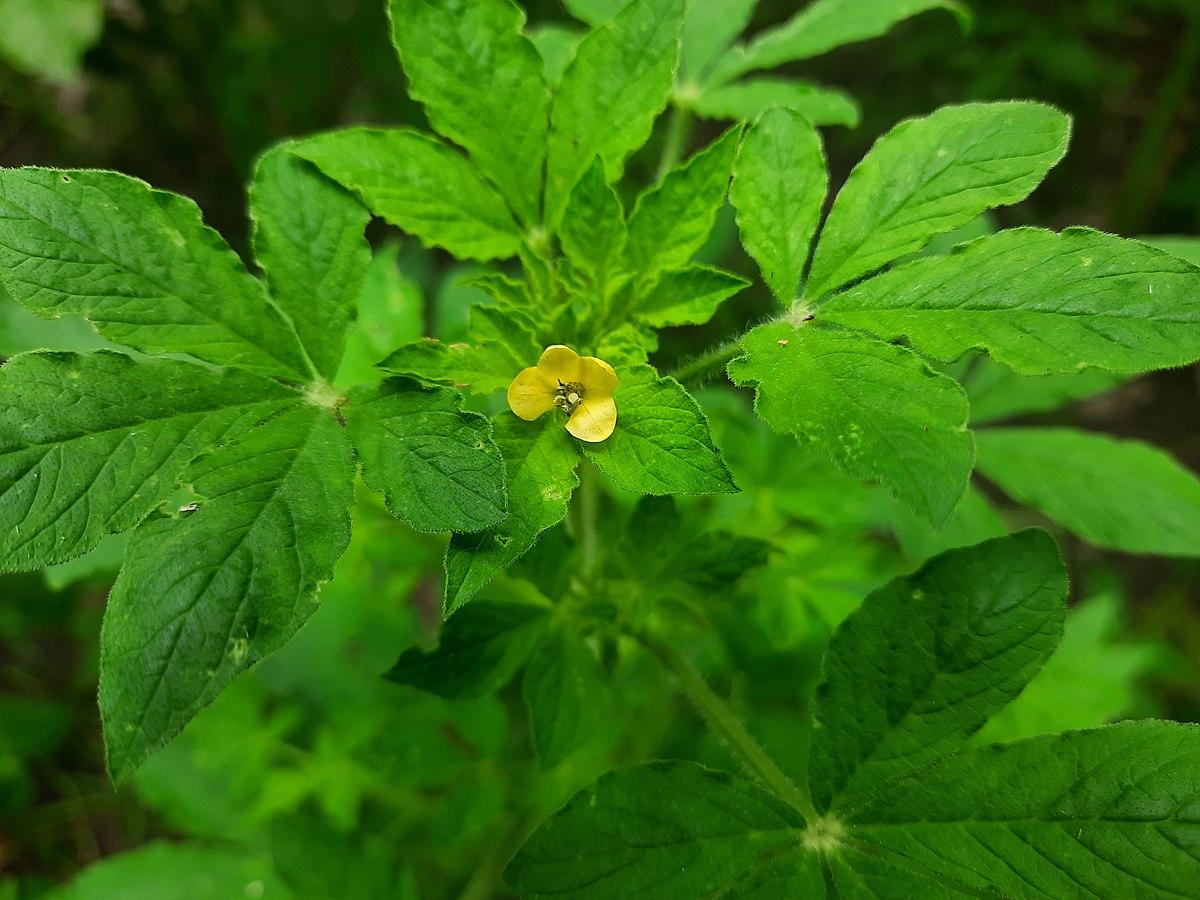
Cleome viscosa (Ti-kaya jôn) : medicinal properties in alcoholic extraction
Cleome viscosa (Ti-kaya jôn) — family Capparacées.
This database documents alcoholic (ethanol) extractions of active substances. Our monograph currently lists 16 indications in alcoholic extraction for this species. The monograph draws on 39 scientific references recorded for the species.
Therapeutic indications in alcoholic extraction:
Note: scientific reference excerpts are kept in their original language (most often English), without translation, to respect the source text of publications.
- Helminthiasis in small ruminants : Plant part used: Aerial parts. Documented pharmacological profile: Albendazole-like. Mentioned synergistic association: Acorus Calamus-Rhizome.
According to Mahatma N (2017): The anthelmintic effect of aqueous & alcoholic extracts of the plant C viscosa was studied in vitro by egg hatch assay method against the gastrointestinal nematodes of small ruminants. The results revealed that both aqueous and alcoholic extracts of the plant showed significant anthelmintic activity at 8% level & the effect was dose dependant. According to MALI RG (2007): Both extracts exhibited considerable anthelmintic activity in a dose-dependent manner. - Jaundice, cirrhosis, hepatitis, alcoholic fatty liver disease : Plant part used: Sheet. Documented pharmacological profile: Silymarine-like.
According to Kumar Mobiya A (2010): The hepatoprotective effect was evaluated on the basis of liver function parameters viz serum total Bilirubin, total protein, alanine transaminase, aspartate transaminase and alkaline phosphatase activities. In present study, Hepatoprotective activity of the ethanolic extract of Cleome Viscosa L. According to Nguyen TP (2017): At the concentration of 25 μM and 50 μM, 1 showed cytotoxic activity against HepG2 cells (cell viability was decreased to 22.2 & 23.0%, respectively, compared with doxorubicin control), while at the concentration of 100 μM, 1 showed hepatoprotective activity against CCl4-induced hepatotoxicity on HepG2 cells (34.3%, compared with quercetin control). - Helminthiasis : Plant part used: Seed. Documented pharmacological profile: Piperazine-like.
According to MALI RG (2007): (Capparidaceae) were investigated for their anthelmintic activity against Pheretima posthuma & Ascaridia galli. Both extracts exhibited considerable anthelmintic activity in a dose-dependent manner. According to Mahatma N (2017): The results revealed that both aqueous and alcoholic extracts of the plant showed significant anthelmintic activity at 8% level & the effect was dose dependant.
Further indications (including other extraction modes where applicable), dosages, precautions for use and full scientific references are available in the complete monograph.
Lapotitjéri di la Nati medicinal database
Ethanolic extracts of active substances — monographs, indications, dosages and references for healthcare professionals. Ethnopharmacologist Emmanuel Nossin.
→ Search Cleome viscosa in the database (subscription required)
Photo credit : Photo by Plague without modification (CC BY 4.0). License : CC BY 4.0.