
Coccinia indica (Ti-konkonb-Lyenn) : medicinal properties | Lapo
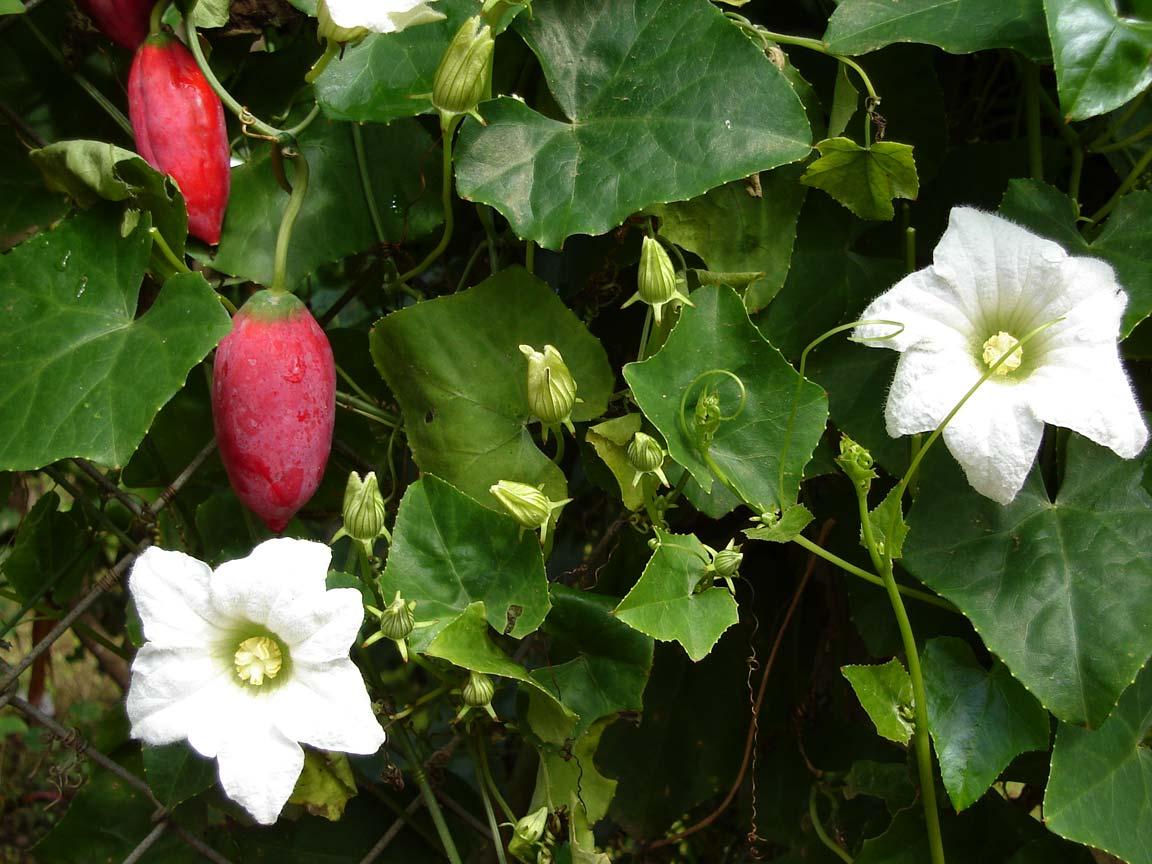
Coccinia indica (Ti-konkonb-Lyenn) : medicinal properties in alcoholic extraction
Coccinia indica (Ti-konkonb-Lyenn) — family Cucurbitacées.
This database documents alcoholic (ethanol) extractions of active substances. Our monograph currently lists 17 indications in alcoholic extraction for this species. The monograph draws on 69 scientific references recorded for the species.
Therapeutic indications in alcoholic extraction:
Note: scientific reference excerpts are kept in their original language (most often English), without translation, to respect the source text of publications.
- Dyslipidaemia : Plant part used: Sheet. Documented pharmacological profile: Fenofibrate-like.
According to Quamri M (2017): To evaluate the effect of Kanduri (Coccinia indica) among patients of Dyslipidemia associated with type II Diabetes mellitus this study is conducted. In Unani system of medicine Diabetes associated Dyslipidemia has been treating with several potent anti-hyperglycemic & anti-dyslipidemic single drugs. - Bacterial infection : Plant part used: Sheet. Documented pharmacological profile: Tétracycline-like, Gentamycine-like, Streptomycine-like, Ampicilline-like.
According to Hussain A (2010): The aqueous & organic solvent (Petroleum ether, chloroform & ethanol) extracts from the leaves of CI(Cucurbitaceae) were tested against Enterobacter aerogenes, Pseudomonas aeruginosa, Staphylococcus epidermidis, Bacillus subtilis & Salmonella typhimurium by agar well diffusion method & broth dilution method. Results showed promising antibacterial activity against the bacteria tested. According to Sakharkar P (2017): The antibacterial activities of the extracts were tested against Staphylococcus aureus, Enterococcus faecalis, Escherichia coli & Pseudomonas aeruginosa using the modified Kirby-Bauer diffusion method & compared against erythromycin. - Type II diabetes mellitus : Plant part used: Aerial parts. Documented pharmacological profile: Glibenclamide-like.
According to Manjula S (2007): Diabetes Mellitus is characterized by elevated plasma glucose concentrations resulting from insufficient insulin. The present study was aimed to investigate the hypolipidemic effect of Coccinia indica aqueous leaf extract in alloxan induced diabetic rats. According to Attanayake A (2016): The scientific investigations confirmed the effectiveness of this leafy vegetable for the development of potential nutraceuticals against diabetes mellitus.
Further indications (including other extraction modes where applicable), dosages, precautions for use and full scientific references are available in the complete monograph.
Lapotitjéri di la Nati medicinal database
Ethanolic extracts of active substances — monographs, indications, dosages and references for healthcare professionals. Ethnopharmacologist Emmanuel Nossin.
→ Search Coccinia indica in the database (subscription required)
Photo credit : Photo by Tauʻolunga without modification (CC BY-SA 3.0). License : CC BY-SA 3.0.