
Coriandrum sativum (Coriander) : medicinal properties | Lapo
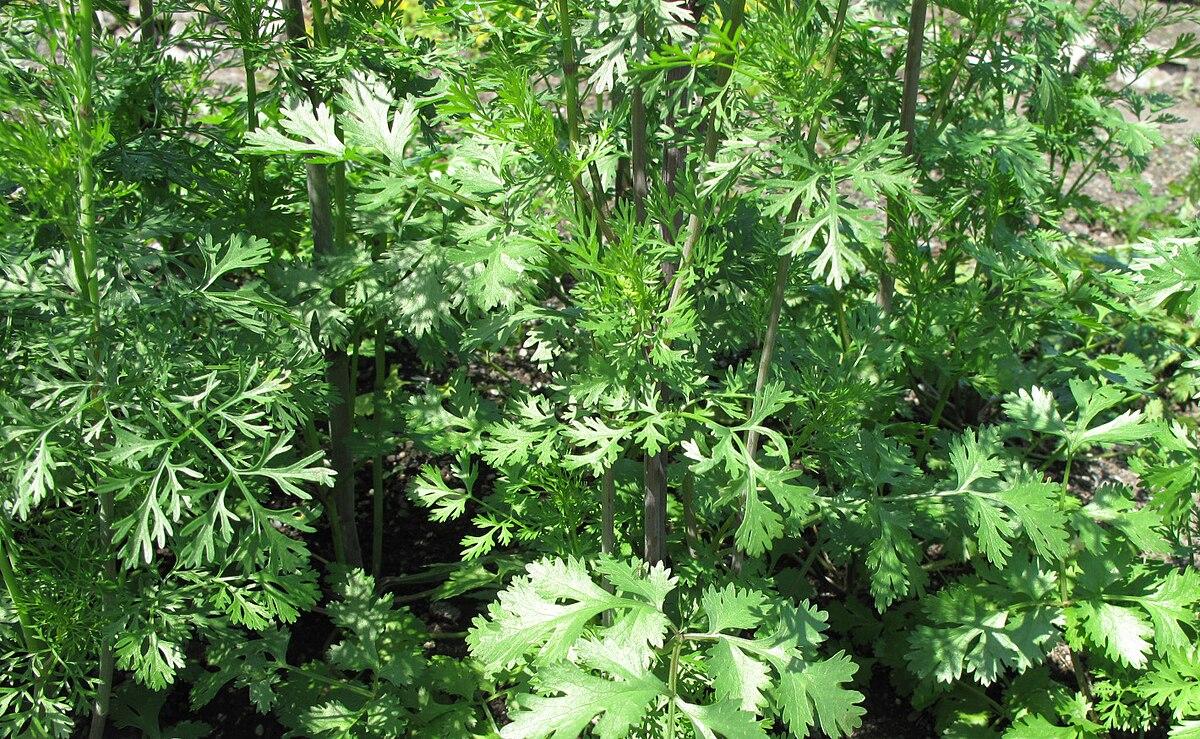
Coriandrum sativum (Coriander) : medicinal properties in alcoholic extraction
Coriandrum sativum (Coriander) — family Apiacées.
Recognised external sources linked to this monograph: French Pharmacopoeia.
This database documents alcoholic (ethanol) extractions of active substances. Our monograph currently lists 25 indications in alcoholic extraction for this species. The monograph draws on 142 scientific references recorded for the species.
Therapeutic indications in alcoholic extraction:
Note: scientific reference excerpts are kept in their original language (most often English), without translation, to respect the source text of publications.
- Anxiety, nervousness : Plant part used: Fruit. Documented pharmacological profile: Diazépam-like.
According to Pathan AR (2011): Nevertheless, no pharmacological studies have thus far evaluated its effects on central nervous system. The anxiolytic effect of aqueous extract (50, 100, 200 mg/kg, i.p.) was examined in male albino mice using elevated plus- maze as an animal model of anxiety. According to Mamghoreishi M (2005): These results suggest that the aqueous extract of CS seed has anxiolytic effect & may have potential sedative & muscle relaxant effects. - Inflammatory conditions : Plant part used: Fruit. Documented pharmacological profile: Diclofénac-like.
According to Zanesso-Junior G (2011): CS anti-inflammatory activity was evaluated by pleurisy tests in rats & ear edema formation in mice. The results indicate that HE had anti-inflammatory activity when orally & topically administered, whereas EO did not present topical anti-inflammatory activity,. According to Bhat SP (2014): sativum seeds showed significant analgesic activity in Acetic-acid induced writhing method & significant anti-inflammatory activity in Carrageenan induced paw oedema while only the high-dose aqueous group exhibited significant results in Cotton pellet granuloma model when compared to the respective control group. - Pain, hyperalgesia : Plant part used: Seed. Documented pharmacological profile: Diclofenac-like.
According to Zulkifly HH (2021): Coriandrum sativum contains various phytochemicals such as polyphenols, vitamins, & many phytosterols, which account for its properties including anticancer, anti-inflammatory, antidiabetic, & analgesic effects. According to Laribi (2015): Subsequently, coriander seed & herb essential oils have been actively investigated for their chemical composition & biological activities including antimicrobial, antioxidant, hypoglycemic, hypolipidemic, anxiolytic, analgesic, anti-inflammatory, anticonvulsant & anti-cancer activities, among others.
Further indications (including other extraction modes where applicable), dosages, precautions for use and full scientific references are available in the complete monograph.
Lapotitjéri di la Nati medicinal database
Ethanolic extracts of active substances — monographs, indications, dosages and references for healthcare professionals. Ethnopharmacologist Emmanuel Nossin.
→ Search Coriandrum sativum in the database (subscription required)
Photo credit : Photo by Ayotte, Gilles without modification (CC BY 4.0). License : CC BY 4.0.