
Crescentia cujete (Kalbas) : medicinal properties | Lapo
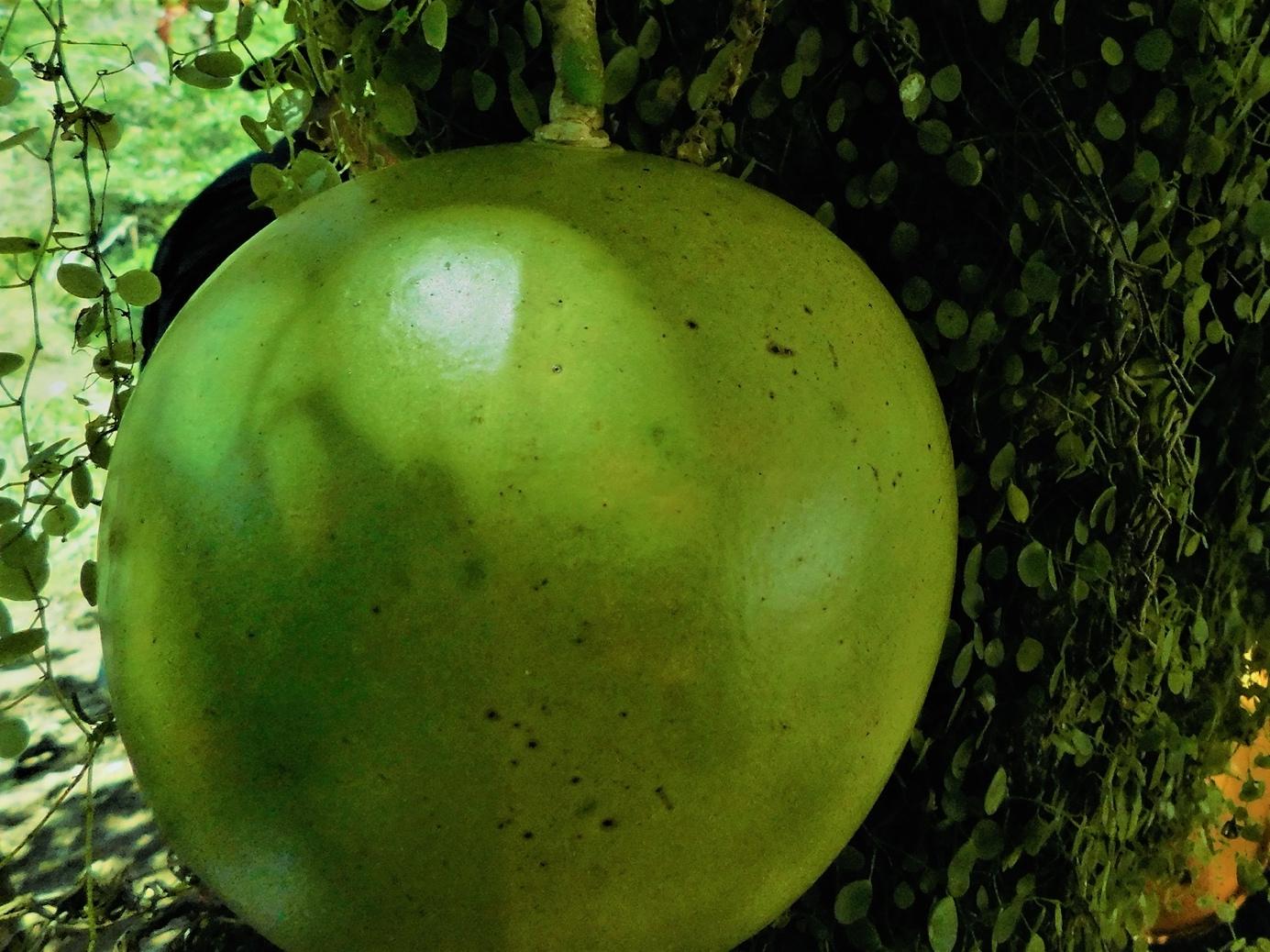
Crescentia cujete (Kalbas) : medicinal properties in alcoholic extraction
Crescentia cujete (Kalbas) — family Bignoniacées.
Recognised external sources linked to this monograph: TRAMIL.
This database documents alcoholic (ethanol) extractions of active substances. Our monograph currently lists 16 indications in alcoholic extraction for this species. The monograph draws on 49 scientific references recorded for the species.
Therapeutic indications in alcoholic extraction:
Note: scientific reference excerpts are kept in their original language (most often English), without translation, to respect the source text of publications.
- Bacterial infection : Plant part used: Sheet. Documented pharmacological profile: Doxycycline-like.
According to Mahbub K (2011): Our present study suggests that active antimicrobial agents present in the extracts of C cujete & M oleifera may have potential for the treatment of bacterial infection. The lowest MIC (2500 µg/ml) & MBC (3000 µg/ml) of crude ethanolic extracts of C cujete was recorded against Bacillus subtilis. According to Nurjanah S (2021): Leaves of CC contain some compounds such which are thought to have the potential to be antibacterial. - Platelet aggregation : Plant part used: Pulp. Documented pharmacological profile: Aspirine-like.
According to Pasicolan V (2016): Hence, it is potent antiplatelet aggregation activity. Flavonoids have the property to inhibit platelet aggregation. According to Parvin MS (2015): All the samples showed a dose dependent anti-inflammatory activity in HRBC membrane stabilization test. - Rheumatism, osteoarthritis, arthritis : Plant part used: Sheet. Documented pharmacological profile: Aspirine-like, Diclofenac-like.
According to Parvin MS (2015): All the samples showed a dose dependent anti-inflammatory activity in HRBC membrane stabilization test. According to Oladunni BF (2021): The review established the antidiabetic, antioxidant, acaricidal, antibacterial, anti-inflammatory, anthelmintic, antivenom, wound healing, neuroprotection, antiangiogenic, & cytotoxic properties from aqueous & organic (particularly ethanol) aerial parts attributed to several secondary metabolites such as flavonoids, alkaloids, saponins, tannins, phenols, cardiac glycosides, phytosterols, reducing sugar, & volatile oils.
Further indications (including other extraction modes where applicable), dosages, precautions for use and full scientific references are available in the complete monograph.
Lapotitjéri di la Nati medicinal database
Ethanolic extracts of active substances — monographs, indications, dosages and references for healthcare professionals. Ethnopharmacologist Emmanuel Nossin.
→ Search Crescentia cujete in the database (subscription required)
Photo credit : Photo from the Traditional Martinique Pharmacopoeia.