Crocus sativus (Saffron) : medicinal properties | Lapo
Crocus sativus (Saffron) : medicinal properties in alcoholic extraction
Crocus sativus (Saffron) — family Iridacées.
Recognised external sources linked to this monograph: French Pharmacopoeia.
This database documents alcoholic (ethanol) extractions of active substances. Our monograph currently lists 25 indications in alcoholic extraction for this species. The monograph draws on 210 scientific references recorded for the species.
Therapeutic indications in alcoholic extraction:
Note: scientific reference excerpts are kept in their original language (most often English), without translation, to respect the source text of publications.
- Type II diabetes mellitus : Plant part used: Pepals. Documented pharmacological profile: Glibenclamide-like.
According to Ouahhoud S (2018): The present study investigated for the first time, the Antihyperglycemic effect of tepals & leaves of Crocus sativus in streptozotocin-induced diabetic rats. Group 1: normal control rats (N), received distilled water; group 2: diabetic control rats (D), received distilled water; group 3: treated diabetic rats (TPL), received tepal (TPL) extract; group 4: treated diabetic rats (STG), received stigma (STG) extract; group 5: treated diabetic rats (LF), received leaf (LF) extract and group 6: treated diabetic rats (GLB), received Glibenclamide (GLB). According to Mohajeri D (2008): (Saffron) stigma ethanolic extract in alloxan-induced diabetic rats. - Metal chelation : Plant part used: Flower.
According to Sánchez-Vioque R (2012): Sánchez-Vioque R et al In vitro antioxidant & metal chelating properties of corm, tepal and leaf from saffron (Crocus sativus L.). - Cancer : Plant part used: Stigma.
According to Samarghandian S (2011): We investigated the potential of the ethanolic extract of saffron to induce cytotoxic & apoptosis effects in carcinomic human alveolar basal epithelial cells (A549), a commonly used cell culture system for in vitro studies on lung cancer. Saffron could also be considered as a promising chemotherapeutic agent in lung cancer treatment in future. According to khorasany AR (2016): The outcome of the above-mentioned mechanisms shows potential therapeutic properties of saffron against liver cancer, hepatotoxicity, fatty liver, hyperlipidemia, stomach cancer, peptic ulcer, colon cancer, ulcerative colitis, diabetes & pancreas cancer & ileum contractions.
Further indications (including other extraction modes where applicable), dosages, precautions for use and full scientific references are available in the complete monograph.
Lapotitjéri di la Nati medicinal database
Ethanolic extracts of active substances — monographs, indications, dosages and references for healthcare professionals. Ethnopharmacologist Emmanuel Nossin.
→ Search Crocus sativus in the database (subscription required)
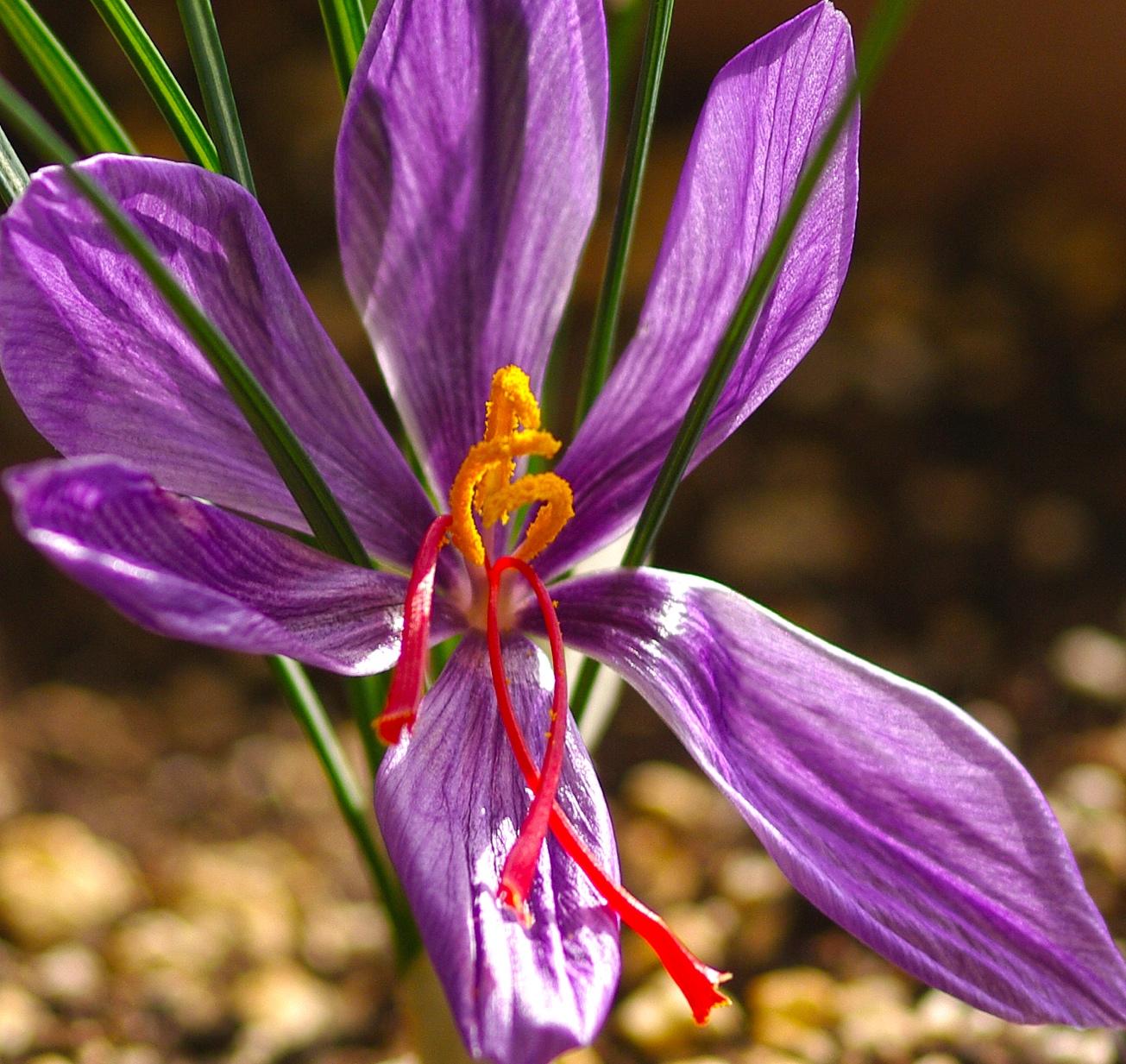
Photo credit : Photo by Zeynel Cebeci without modification (CC BY-SA 4.0). License : CC BY-SA 4.0.