
Cyperus rotundus (Koko-cat) : medicinal properties | Lapo
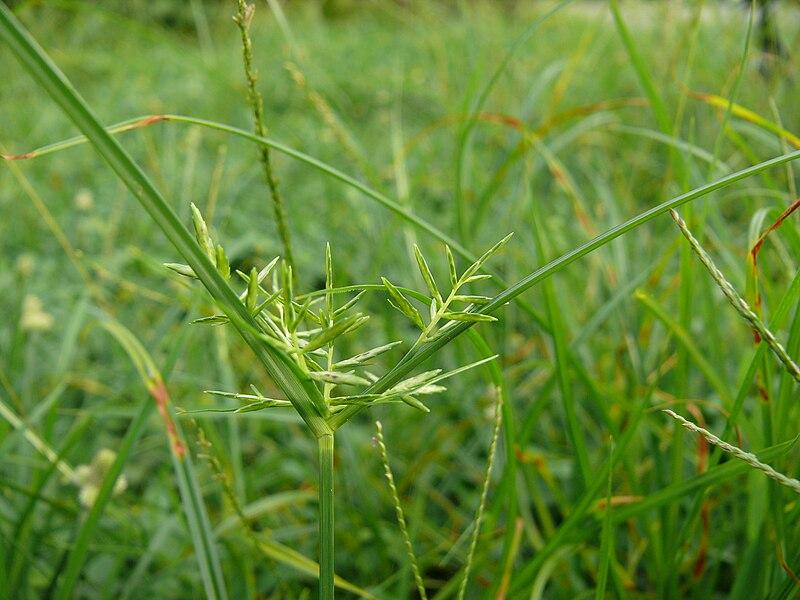
Cyperus rotundus (Koko-cat) : medicinal properties in alcoholic extraction
Cyperus rotundus (Koko-cat) — family Cypéracées.
This database documents alcoholic (ethanol) extractions of active substances. Our monograph currently lists 33 indications in alcoholic extraction for this species. The monograph draws on 118 scientific references recorded for the species.
Therapeutic indications in alcoholic extraction:
Note: scientific reference excerpts are kept in their original language (most often English), without translation, to respect the source text of publications.
- Bacterial infection : Plant part used: Whole plant. Documented pharmacological profile: Chloramphénicol-like.
According to Ahmed M (2012): Antimicrobial activity was carried out on human pathogens bacteria such as Moraxella catarhalis, Escherichia coli, Klebsiella Pneumoniae, Pseudomonas aeruginosa, Staphylococcus aureus, acinetobacter & fungi Candida albicans & Aspergillus niger. aureus 90 & 70 % inhibition was observed respectively while the crude extract showed low inhabitation that is 46.66, 37.5 & 33.3% in E coli, P. According to Kabbashi Ahmed S (2015): rotundus was tested against four standard bacteria i.e.: two Gram positive (Bacillus subtilis & Staphylococcus aureus), two Gram negative (Escherichia coli and Pseudomonas aeruginosa) and against two standard fungi species i.e., Aspergillus niger and Candida albicans using the agar plate diffusion method. - Cancer : Plant part used: Sheet. Documented pharmacological profile: Doxorubicine-like.
According to DHANYA NV (2017): The present study was carried out to investigate the in vitro anticancer potential of ethanol extract of the rhizome of Cyperus rotundus in KB oral cancer cell lines. All these results establish the effect of CR as a potent anticancer agent against oral cancer cell lines. According to Nidugala H (2016): The cytotoxicity was assessed using SRB Assay & Trypan blue assay against human colon cancer cell line (HCT116) and Ehrlich Ascites Carcinoma (EAC) cell lines. - Fungal infection : Plant part used: Whole plant. Documented pharmacological profile: Clotrimazole-like, Nystatine-like.
According to Ahmed M (2012): Antimicrobial activity was carried out on human pathogens bacteria such as Moraxella catarhalis, Escherichia coli, Klebsiella Pneumoniae, Pseudomonas aeruginosa, Staphylococcus aureus, acinetobacter & fungi Candida albicans & Aspergillus niger. According to Kabbashi Ahmed S (2015): rotundus was tested against four standard bacteria i.e.: two Gram positive (Bacillus subtilis & Staphylococcus aureus), two Gram negative (Escherichia coli and Pseudomonas aeruginosa) and against two standard fungi species i.e., Aspergillus niger and Candida albicans using the agar plate diffusion method. rotundus (whole plant) proved to have potent activities against antibacterial as well as antifungal activity in vitro.
Further indications (including other extraction modes where applicable), dosages, precautions for use and full scientific references are available in the complete monograph.
Lapotitjéri di la Nati medicinal database
Ethanolic extracts of active substances — monographs, indications, dosages and references for healthcare professionals. Ethnopharmacologist Emmanuel Nossin.
→ Search Cyperus rotundus in the database (subscription required)
Photo credit : Photo by Arria Belli without modification (CC BY 4.0). License : CC BY 4.0.