
Gomphrena globosa (White daisy) : medicinal properties | Lapo
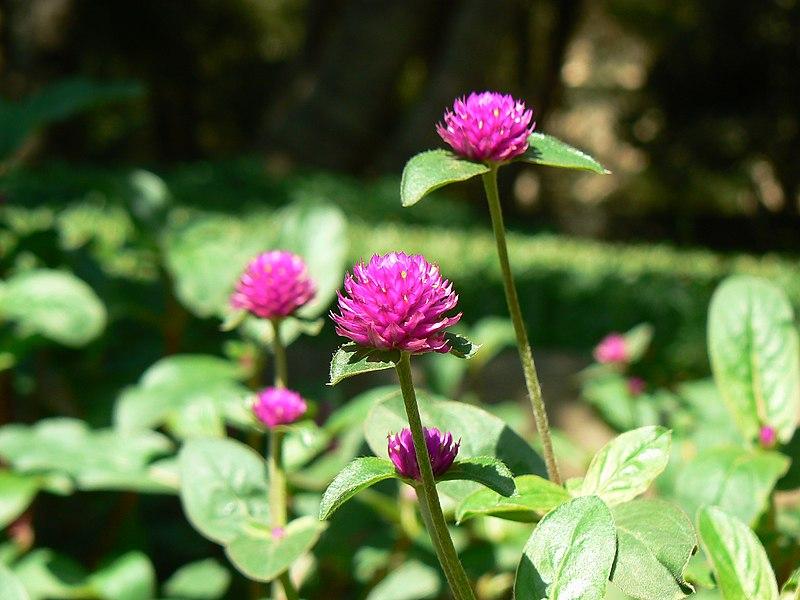
Gomphrena globosa (White daisy) : medicinal properties in alcoholic extraction
Gomphrena globosa (White daisy) — family Amaranthacées.
This database documents alcoholic (ethanol) extractions of active substances. Our monograph currently lists 7 indications in alcoholic extraction for this species. The monograph draws on 50 scientific references recorded for the species.
Therapeutic indications in alcoholic extraction:
Note: scientific reference excerpts are kept in their original language (most often English), without translation, to respect the source text of publications.
- Osteoarthritis, arthritis, rheumatism, oedema : Plant part used: Flower. Documented pharmacological profile: Aspirine-like, Diclofénac-like.
Selon Esmat UA (2020) : The major bioactive compounds are Docosanoic Acid, Docosyl Ester (25.404%) & Hexatriacontane (24.324%), has proven anti-inflammatory activity. These phytochemicals recognised are responsible for various activities such as anti-inflammatory, anticancer, antibacterial, analgesic & cytotoxic. Selon Arsia Tarnam Y (2021) : From the results, the decoction extract possess does dependent potent anti-inflammatory activity. - Type II diabetes mellitus : Plant part used: Sheet. Documented pharmacological profile: Diabinese-like.
Selon Hamiduzzaman Md (2013) : Focused on traditional medicinal practice of Gomphrenal globosa (L), my present study was to scientifically evaluate the hypoglycemic activity in mice model which could give us a new voyage to prevent or treat diabetic patients with harmless natural resources. Additionally crude methanolic extract also showed hypoglycemic activity in mice model at a dose 400mg/kg body weight. Selon Omodamiro OD (2014) : In conclusion, the ethanolic extract of the leaves of GG & AO possess hypoglyceamic activity in alloxan induced diabetic wistar albino rat. - Oxidative stress : Plant part used: Flower. Documented pharmacological profile: Acide gallique-like, Quercétine-like.
Selon Ningrum NA (2020) : globosa leaves has antioxidant properties & may serve as natural antioxidants to prevent cellular damage induced by oxidative stress. The IC50 value of antioxidant activities of GGLE was 100 ± 6.095 µg/mL. Selon SHARMA S (s.d.) : These observations indicate that the flowers of GG may possess antioxidant properties & further pharmacological investigations could provide an insight into the potential use of these flowers in the treatment of oxidative related disorders,.
Further indications (including other extraction modes where applicable), dosages, precautions for use and full scientific references are available in the complete monograph.
Lapotitjéri di la Nati medicinal database
Ethanolic extracts of active substances — monographs, indications, dosages and references for healthcare professionals. Ethnopharmacologist Emmanuel Nossin.
→ Search Gomphrena globosa in the database (subscription required)
Photo credit : Photo by Dinesh Valke without modification (CC BY-SA 2.0). License : CC BY-SA 2.0.