Justicia secunda (Zèb-tension) : medicinal properties | Lapo
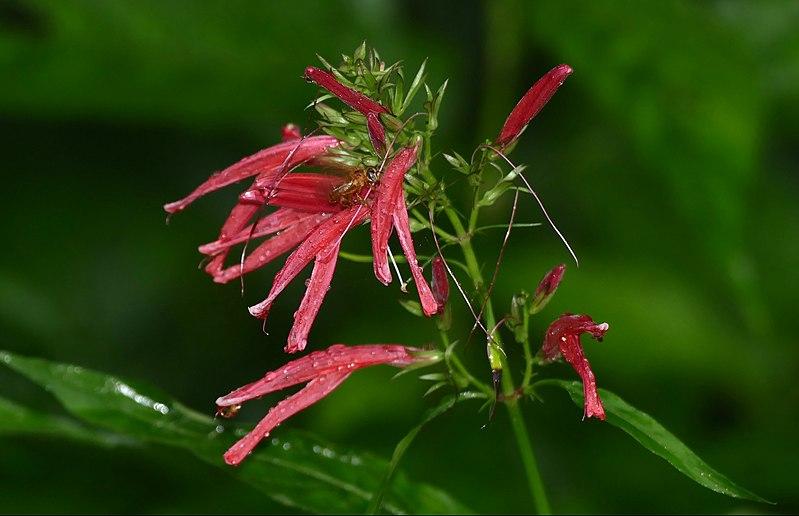
Justicia secunda (Zèb-tension) : medicinal properties in alcoholic extraction
Justicia secunda (Zèb-tension) — family Acanthacées.
Recognised external sources linked to this monograph: TRAMIL and French Pharmacopoeia.
This database documents alcoholic (ethanol) extractions of active substances. Our monograph currently lists 11 indications in alcoholic extraction for this species. The monograph draws on 57 scientific references recorded for the species.
Therapeutic indications in alcoholic extraction:
Note: scientific reference excerpts are kept in their original language (most often English), without translation, to respect the source text of publications.
- Anaemia : Plant part used: Aerial parts. Documented pharmacological profile: Renferon-12-like. Mentioned synergistic association: Gossypium barbadensis, Sorghum bicolor – panache, Hibiscus sabdariffa -C alice.
Selon Yamoah A (2020) : These findings indicate that the water extractable fraction of JS leaves has excellent haematinic properties & this provides the pharmacological basis of its use in Ghanaian traditional medicine for the treatment of anaemia. Selon Moukimou AO (2014) : Anemia was induced in Wistar rats by phenylhydrazine hydrochloride followed by treatment by gavage with hydroethanolic extracts of the plants studied. Indeed, these results confirm the therapeutic indication of these plants in the resorption of anemia in traditional medicine. - Bacterial infection : Plant part used: Sheet. Documented pharmacological profile: Ciprofloxacine-like.
Selon Bako B (2023) : The results of the antimicrobial activity obtained from the fractions of the Stem inhibited or exhibited activity against Methicillin resist Staph aureus, Vancomycin resistant enterococci, Staphylococcus aureus, Escherichia coli, Klebsiella pneumonia, Helicobacter pylori, Campylobacter fetus, Proteus mirabilis, Pseudomonas aeruginosa, Candida tropicalis, & Candida krusei. secunda stem, the plant could be a viable source of antimicrobial agents in the near future. Selon Rojas JJ (2006) : RESULTS: The water extracts of Bidens pilosa, Jacaranda mimosifolia & Piper pulchrum showed a higher activity against Bacillus Cereus & Escherichia coli than Gentamycin sulfate. - Sickle cell anaemia : Plant part used: Sheet. Documented pharmacological profile: Cromoglycate-like. Mentioned synergistic association: Moringa oleifera-feuille.
Selon Gbolo-Zoawe B (2023) : The DEE reversed sickling by 89.1 %, comparable to DSCG (87.7 %; 60.3 µg/mL), inhibiting sickle cell hemoglobin polymerization of 77.8 % and 74.4 %, respectively. Sickle cell disease (SCD) is an autosomal recessive blood disorder characterized by red blood cells that assume an abnormal, rigid sickle shape under low-oxygen conditions. Selon Yamoah A (2020) : These findings indicate that the water extractable fraction of JS leaves has excellent haematinic properties & this provides the pharmacological basis of its use in Ghanaian traditional medicine for the treatment of anaemia.
Further indications (including other extraction modes where applicable), dosages, precautions for use and full scientific references are available in the complete monograph.
Lapotitjéri di la Nati medicinal database
Ethanolic extracts of active substances — monographs, indications, dosages and references for healthcare professionals. Ethnopharmacologist Emmanuel Nossin.
→ Search Justicia secunda in the database (subscription required)
Photo credit : Photo by Bernard DUPONT without modification (CC BY 4.0). License : CC BY 4.0.