Linum usitatissimum (Grenn’ di Len) : medicinal properties | Lapo
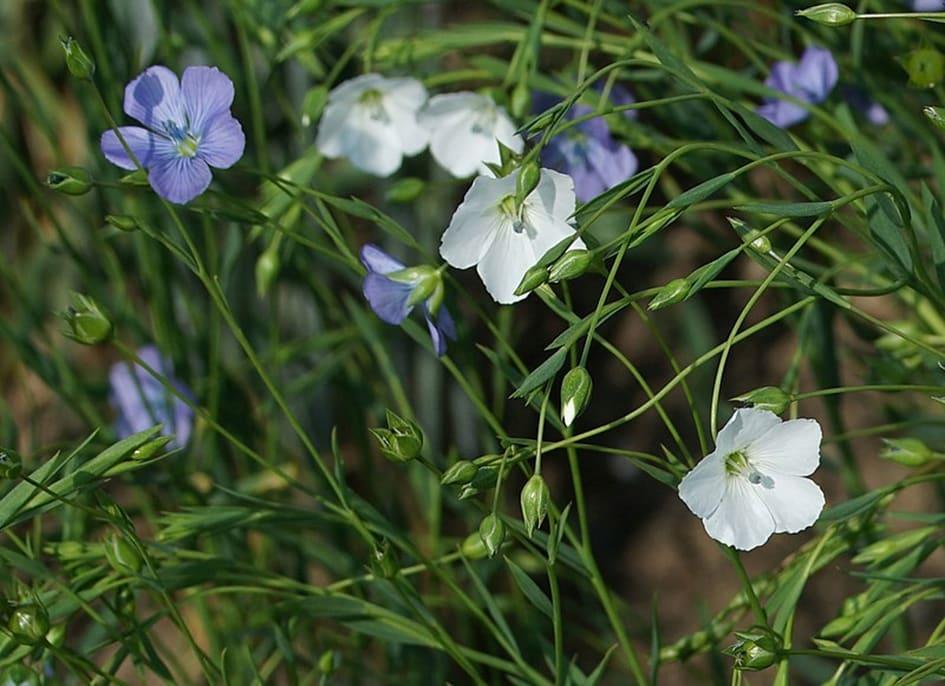
Linum usitatissimum (Grenn’ di Len) : medicinal properties in alcoholic extraction
Linum usitatissimum (Grenn’ di Len) — family Linacées.
Recognised external sources linked to this monograph: French Pharmacopoeia.
This database documents alcoholic (ethanol) extractions of active substances. Our monograph currently lists 15 indications in alcoholic extraction for this species. The monograph draws on 55 scientific references recorded for the species.
Therapeutic indications in alcoholic extraction:
Note: scientific reference excerpts are kept in their original language (most often English), without translation, to respect the source text of publications.
- Type II diabetes mellitus (Metformin-like/Glimepride-like : Plant part used: Seed. Documented pharmacological profile: Metformine-like, Glimepride-like. Mentioned synergistic association: Glycyrrhiza glabra-racine.
Selon Qureshi JA (2018) : The purpose of the present experimental study was to assess the antihyperglycemic activity of ethanolic extract of Linum usitatissimum seeds & Glycyrrhiza glabra roots with standard drugs metformin & glimepiride in streptozotocin-induced diabetic rats model. in which diabetes was induced with streptozotocin were administered 0.9% sodium chloride (NaCl). Selon Latha S (2016) : Oxidative stress is the main cause of the secondary complications in diabetes mellitus (DM). - Hypercholesterolaemia, hyperlipidaemia, hypertriglyceridaemia : Plant part used: Seed. Documented pharmacological profile: Rosuvastatine-like.
Selon Akpolat M (s.d.) : The biochemical & histopathological findings confirmed renal damage in hypercholesterolemia conditions. Flaxseed oil reduced the hypercholesterolemia‐induced increase in the serum levels of total cholesterol, LDL & urea. Selon Zanwar A (2012) : Hyperlipidemia was induced by intraperitoneal injection of triton WR-1339 (200 mg kg (-1)). - Oxidative stress : Plant part used: Seed. Documented pharmacological profile: α-tocophérol-like, Acide ascorbique-like.
Selon Latha S (2016) : Oxidative stress is the main cause of the secondary complications in diabetes mellitus (DM). Selon Rizwan s (2014) : Arsenic is known to exert its toxicity through oxidative stress by generating reactive oxygen species (ROS). Lipid peroxidation and total sulfhydryl groups were altered upon NaAs treatment, indicating the generation of oxidative stress.
Further indications (including other extraction modes where applicable), dosages, precautions for use and full scientific references are available in the complete monograph.
Lapotitjéri di la Nati medicinal database
Ethanolic extracts of active substances — monographs, indications, dosages and references for healthcare professionals. Ethnopharmacologist Emmanuel Nossin.
→ Search Linum usitatissimum in the database (subscription required)
Photo credit : Photo by Peer Schilperoord without modification (CC BY 4.0). License : CC BY 4.0.