
Litchi sinensis (Lychee) : medicinal properties | Lapo
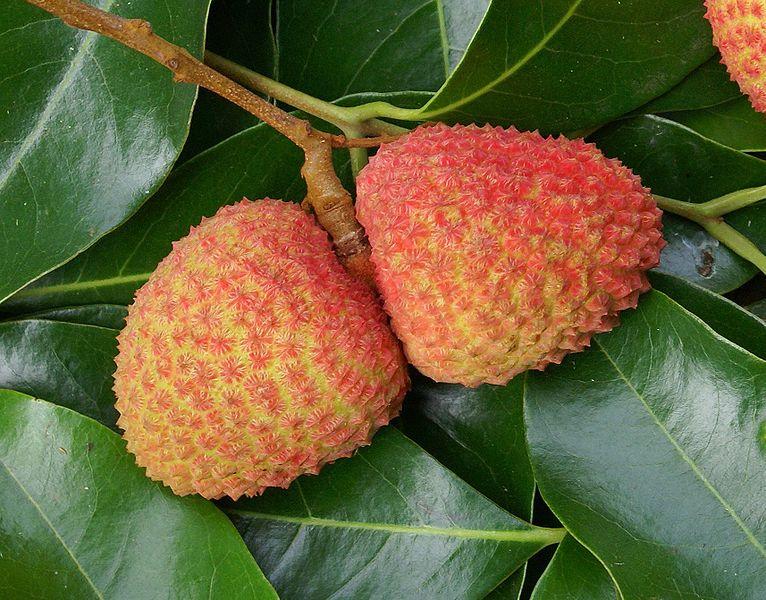
Litchi sinensis (Lychee) : medicinal properties in alcoholic extraction
Litchi sinensis (Lychee) — family Sapindacées.
This database documents alcoholic (ethanol) extractions of active substances. Our monograph currently lists 12 indications in alcoholic extraction for this species. The monograph draws on 96 scientific references recorded for the species.
Therapeutic indications in alcoholic extraction:
Note: scientific reference excerpts are kept in their original language (most often English), without translation, to respect the source text of publications.
- Cancer : Plant part used: Seed. Documented pharmacological profile: Paclitaxel-like.
Selon Lin N (2008) : METHODS: EAC, S180 & hepatic carcinoma tumor-bearing mice models were established in mice by inoculating them with tumor strains. EAC, S180 & hepatic carcinoma suspensions were diluted respectively with normal saline in a ratio of 1∶1 for the preparation of tumor-bearing ascites suspension. Selon Wang X (2006) : Our findings showed that LFP extract exhibited potential anticancer activity against hepatocellular carcinoma in vitro & in vivo through proliferating inhibition & apoptosis induction of cancer cells. - Oxidative stress : Plant part used: Seed. Documented pharmacological profile: BHT-like.
Selon Xiao J (2017) : On the basis of lipid peroxidation & antioxidant enzyme analyses, LPPE supplementation inhibited serum & hepatic oxidative stress. Our previous studies found lychee pulp phenolic extract (LPPE) exerted protective effect against ALD partly by inhibiting fatty acid β-oxidation, & phenolic-rich lychee pulp extract improved restraint stress-induced liver injury by inhibiting mitochondrial dysfunction. Selon Tang Y (2018) : Studies have indicated that type II diabetes mellitus (T2DM) & Alzheimer's disease (AD) share common biological mechanisms including insulin resistance, impaired glucose metabolism, β-amyloid (Aβ) formation, oxidative stress & presence of advanced glycation & products (AGEs). - Arthritis, osteoarthritis, rheumatism, oedema : Plant part used: Seed. Documented pharmacological profile: Diclofénac-like.
Selon CHAUHAN S (2017) : The anti-inflammatory activity was evaluated by employing carrageenan induced paw edema in rats & analgesic activity was evaluated using acetic acid induced writhing test& hot plate method in mice. Conclusion: The results showed that HA extract of L chinensis produced significant anti-inflammatory and analgesic activity in rats & mice respectively,. Selon Besra SE (1996) : The extract was found to possess antiinflammatory, analgesic & antipyretic activity.
Further indications (including other extraction modes where applicable), dosages, precautions for use and full scientific references are available in the complete monograph.
Lapotitjéri di la Nati medicinal database
Ethanolic extracts of active substances — monographs, indications, dosages and references for healthcare professionals. Ethnopharmacologist Emmanuel Nossin.
→ Search Litchi sinensis in the database (subscription required)
Photo credit : Photo by B. Navez without modification (CC BY 4.0). License : CC BY 4.0.