
Melissa officinalis (Lamélis) : medicinal properties | Lapo
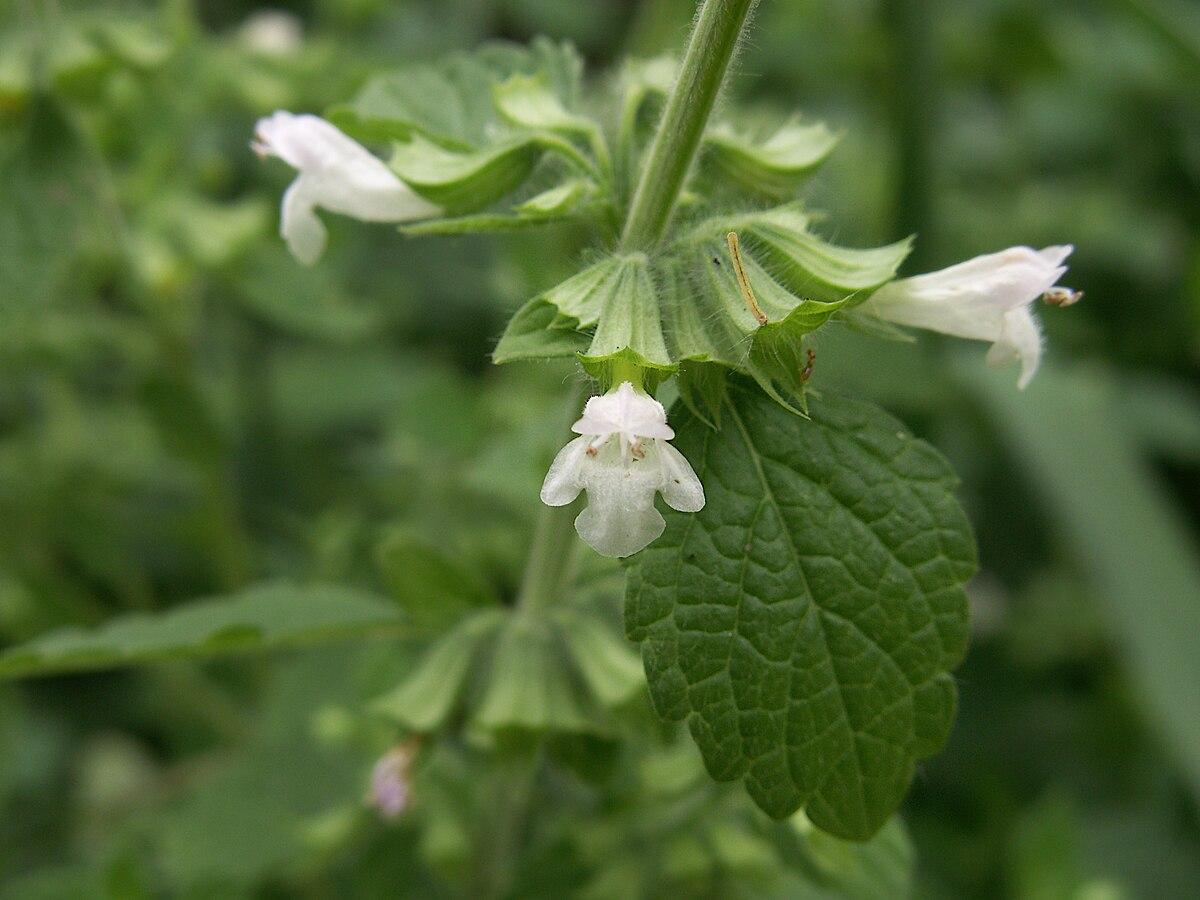
Melissa officinalis (Lamélis) : medicinal properties in alcoholic extraction
Melissa officinalis (Lamélis) — family Lamiacée.
Recognised external sources linked to this monograph: French Pharmacopoeia.
This database documents alcoholic (ethanol) extractions of active substances. Our monograph currently lists 16 indications in alcoholic extraction for this species. The monograph draws on 51 scientific references recorded for the species.
Therapeutic indications in alcoholic extraction:
Note: scientific reference excerpts are kept in their original language (most often English), without translation, to respect the source text of publications.
- Hypercholesterolaemia, hypertriglyceridaemia, hyperlipidaemia, atherosclerosis : Plant part used: Sheet. Documented pharmacological profile: Atorvastatine-like.
Selon Bolkent S (2005) : On the other hand, the administration of MO extract reduced total cholesterol, total lipid, ALT, AST & ALP levels in serum, & LPO levels in liver tissue, moreover increased glutathione levels in the tissue. There was a significant increase in the levels of serum cholesterol, total lipid, alanine transaminase (ALT), aspartate transaminase (AST) & alkaline phosphatase (ALP), a significant decrease in the levels of liver tissue glutathione (GSH), a significant increase in the levels of tissue lipid peroxidation (LPO) in this group. Selon KHODSOOZ S (2016) : Then, blood samples were collected from all animals to measure the blood glucose level, cholesterol, triglycerides, LDL & HDL. - Nervousness, anxiety, insomnia, stress : Plant part used: Sheet. Documented pharmacological profile: Diazépam-like.
Selon Ghazizadeh J (2020) : hydro‐alcoholic extract inhibits anxiety & depression through prevention of central oxidative stress & apoptosis. Selon Alijaniha F (2015) : Psychiatric symptoms (somatization, anxiety & insomnia, social dysfunction & severe depression) were evaluated as secondary outcomes by General Health Questionnaire-28 (GHQ-28), before & after intervention. - Herpes simplex : Plant part used: Sheet. Documented pharmacological profile: Acyclovir-like.
Selon MAZZANTI (2008) : In this work the antiviral activity of a hydroalcoholic extract of lemon balm leaves against the Herpès simplex virus type 2 (HSV-2) were assessed by the cytopathic effect inhibition assay on Vero cells (ATCC CCL-81), in comparison with Acyclovir. Our experiments support the use of lemon balm for treating Herpès simplex lesions and encourage clinical trials on this medicinal plant. Selon WÖLBING RH (1994) : An overt multicentric study involving 115 patients and another subsequent placebo-controlled double-blind study involving 116 patients contributed significantly to the corroborative evidence of the antiviral activity in vitro of a specially prepared dried extract from Melissa leaves against herpes simplex infections.
Further indications (including other extraction modes where applicable), dosages, precautions for use and full scientific references are available in the complete monograph.
Lapotitjéri di la Nati medicinal database
Ethanolic extracts of active substances — monographs, indications, dosages and references for healthcare professionals. Ethnopharmacologist Emmanuel Nossin.
→ Search Melissa officinalis in the database (subscription required)
Photo credit : Photo by Cbaile19 without modification (CC BY-SA 4.0). License : CC BY-SA 4.0.