Nigella sativa (Tjimen nwè) : medicinal properties | Lapo
Nigella sativa (Tjimen nwè) : medicinal properties in alcoholic extraction
Nigella sativa (Tjimen nwè) — family Renonculacées.
This database documents alcoholic (ethanol) extractions of active substances. Our monograph currently lists 10 indications in alcoholic extraction for this species. The monograph draws on 337 scientific references recorded for the species.
Therapeutic indications in alcoholic extraction:
Note: scientific reference excerpts are kept in their original language (most often English), without translation, to respect the source text of publications.
- Type II diabetes mellitus : Plant part used: Seed. Documented pharmacological profile: Metformine-like.
Selon Adam SH (2022) : Current treatments for DM include pharmacological therapy, insulin & diabetic therapy targeting β cells. DM is one of the most prevalent metabolic disorders resulting from chronic hyperglycaemia due to problems in insulin secretion, insulin action or both. Selon Kaatabi H (2015) : This study explored the long-term glucose lowering effect (over one year) of NS in patients with type 2 diabetes mellitus on oral hypoglycemic drugs & to study its effect on redox status of such patients. - Bacterial infection : Plant part used: Essential oil from the seed. Documented pharmacological profile: Chloramphénicol-like, Gentamycine-like.
Selon Khalid A (2024) : Methods: We determined the antibacterial activity of Nigella sativa seeds extracts against the clinical isolates of MDR Staphylococcus aureus & Escherichia coli. Multidrug Resistant (MDR) bacteria are considered as the one of the most dangerous pathogens causing a high mortality rate globally. Selon Ahmed S (2022) : The bacteria were gram-negative (Salmonella enterica, Escherichia coli, & Pseudomonas aeruginosa) & gram-positive (methicillin-resistant Staphylococcus aureus (MRSA), Bacillus subtilis, & Bacillus cereus). - Malaria : Plant part used: Pest control and veterinary products. Documented pharmacological profile: Chloroquine-like.
Selon Abdulelah HAA (2007) : sativa, were screened in the 4-day suppressive assays for their anti-malarial properties against Plasmodium berghei in mice. Selon Usmani H (2021) : The use of hydroxychloroquine & chloroquine, accepted as generally safe for patients with autoimmune diseases or malaria, was attempted in many trials for COVID-19 treatment.
Further indications (including other extraction modes where applicable), dosages, precautions for use and full scientific references are available in the complete monograph.
Lapotitjéri di la Nati medicinal database
Ethanolic extracts of active substances — monographs, indications, dosages and references for healthcare professionals. Ethnopharmacologist Emmanuel Nossin.
→ Search Nigella sativa in the database (subscription required)
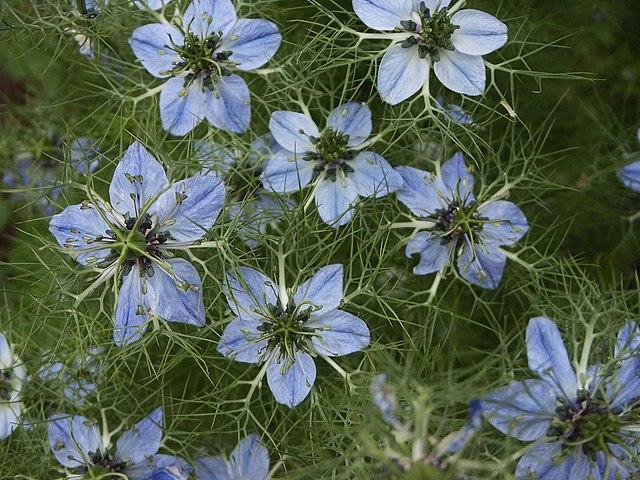
Photo credit : Photo by Pamla J. Eisenberg without modification (CC BY-SA 2.0). License : CC BY-SA 2.0.