Paullinia pinnata (Lyenn-Pèsi) : medicinal properties | Lapo
Paullinia pinnata (Lyenn-Pèsi) : medicinal properties in alcoholic extraction
Paullinia pinnata (Lyenn-Pèsi) — family Sapindacées.
This database documents alcoholic (ethanol) extractions of active substances. Our monograph currently lists 7 indications in alcoholic extraction for this species. The monograph draws on 33 scientific references recorded for the species.
Therapeutic indications in alcoholic extraction:
Note: scientific reference excerpts are kept in their original language (most often English), without translation, to respect the source text of publications.
- Bacterial infection : Plant part used: Sheet. Documented pharmacological profile: Gentamycine-like.
Selon Afagnigni AD (2016) : Antibacterial assay was performed using agar well diffusion & microdilution methods against seven clinical isolates namely Enterobacter cloacae, Klebsiella pneumoniae, Escherichia coli, Shigella flexneri, Proteus mirabilis, Salmonella typhi & Bacillus cereus. This study aimed at investigating the in vitro antibacterial and antioxidant activities of ethanolic leaves of Paullinia pinnata. Selon Nyegue MA (2020) : Diarrhea was induced by oral administration of 1.2 × 10⁹ CFU/mL of Shigella flexneri to the rats. - Malaria : Plant part used: Pest control and veterinary products. Documented pharmacological profile: Chloroquine-like.
Selon Magaji MG (2007) : Ethanolic leaves extract of Paullinia pinnata (Sapindaceae) was investigated for activity against early, residual (repository) and established malaria infections using Swiss albino mice infected with Plasmodium berghei berghei at dose levels of 12.5mg/kg per day, 25mg/kg per day & 50mg/kg per day. Chloroquine at 5mg/kg per day was used as positive control. Selon Jimoh F (2008) : Paullinia pinnata is an African woody vine widely used in traditional medicine for the treatment of malaria. - Cancer : Plant part used: Sheet. Documented pharmacological profile: Cisplatine-like.
Selon Kola P (2023) : Material & methods: Breast, lung, cervical, & liver cancer cell lines were exposed to the extracts, & viability was assessed using the Sulforhodamine B method. The antitumor activity was evaluated using the EAC tumor bearing mice model, wherein mice were orally treated with extracts at different concentrations for 14 days. Selon Kola P (2021) : Conclusion: This study provided in vitro evidence supporting further evaluation on cancer cell lines & tumors in vivo,.
Further indications (including other extraction modes where applicable), dosages, precautions for use and full scientific references are available in the complete monograph.
Lapotitjéri di la Nati medicinal database
Ethanolic extracts of active substances — monographs, indications, dosages and references for healthcare professionals. Ethnopharmacologist Emmanuel Nossin.
→ Search Paullinia pinnata in the database (subscription required)
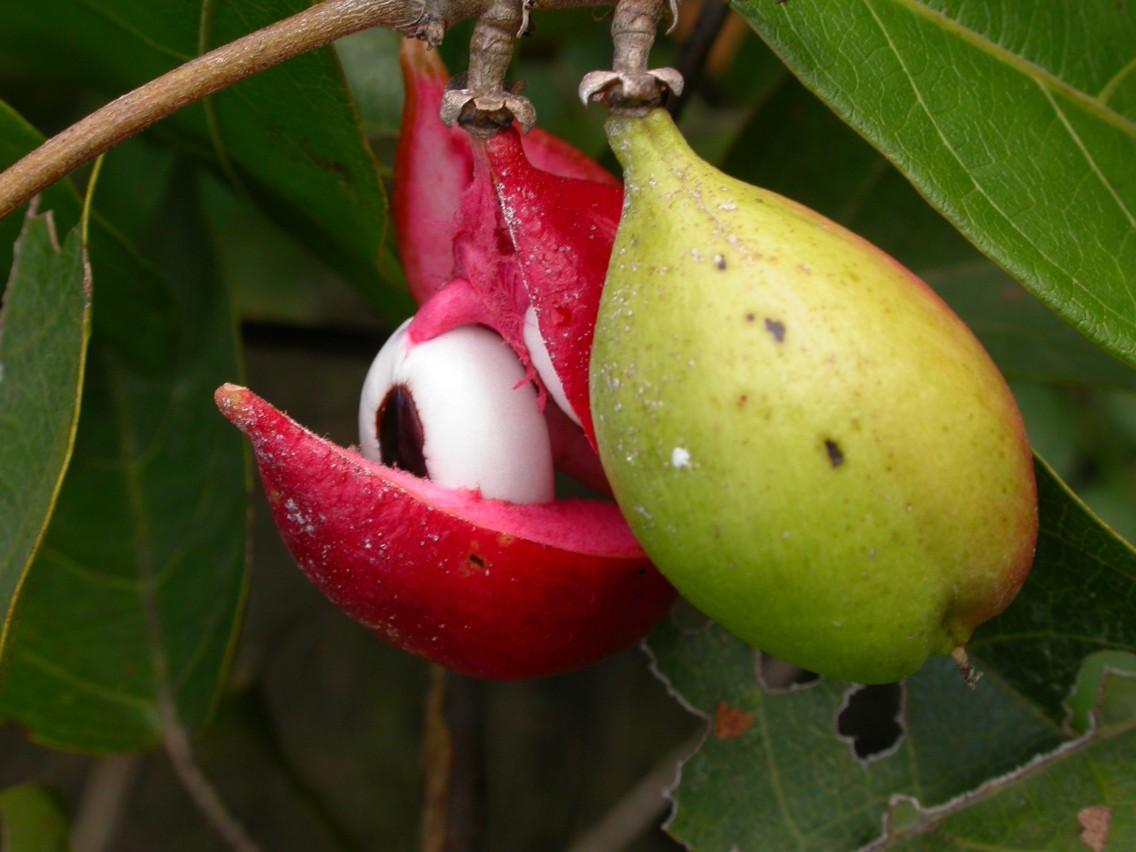
Photo credit : Photo by Marco Schmidt unmodified (CC BY-SA 4.0). License : CC BY-SA 4.0.