
Phaseolus vulgaris (Pwa-tann’) : medicinal properties | Lapo
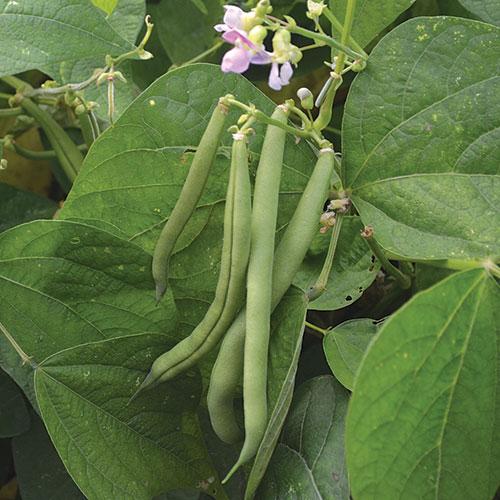
Phaseolus vulgaris (Pwa-tann’) : medicinal properties in alcoholic extraction
Phaseolus vulgaris (Pwa-tann’) — family Fabacées.
This database documents alcoholic (ethanol) extractions of active substances. Our monograph currently lists 9 indications in alcoholic extraction for this species. The monograph draws on 110 scientific references recorded for the species.
Therapeutic indications in alcoholic extraction:
Note: scientific reference excerpts are kept in their original language (most often English), without translation, to respect the source text of publications.
- Cancer : Plant part used: Fruit peel.
Selon Guajardo-Flores D (2013) : Genistein was related with the activity against mammary cancer cells but flavonols & group B saponins were more related with hepatic & colon cancers. This research evaluated the effect of germination of Phaseolus vulgaris on the antioxidant capacity & antiproliferative activity against cancer cell lines of saponins & flavonoids extracted from seed coats, cotyledons & sprouts. Selon Priyadarshini BR (2022) : The anticancer activity of BTB extracts against breast adenocarcinoma (MCF-7) & colorectal adenocarcinoma (HT-29) was evaluated by MTT anti-proliferative assay. - High blood pressure, fluid retention, oedema : Plant part used: Seed. Documented pharmacological profile: Enalapril-like.
Selon Vitale M (2023) : Our aims were to evaluate the relationship of habitual legume consumption with blood pressure (BP) control in a large cohort of people with T2D & hypertension, & to investigate whether specific nutritional components of legumes or other foods may contribute to regulate BP levels. Methods: We studied 1897 participants with T2D & hypertension. Selon Jawaid T (2018) : Methods: Male Wistar rats (180-200g) received high salt diet (8% NaCl) & 1% saline water for 6 weeks, then cannulated for dosing of Enalapril, angiotensin converting enzyme inhibitor (0.5 mg/kg, i.v.) in standard group & EEPV (50 & 100 mg/kg, i.v.) in test group & measured mean blood pressure, systolic blood pressure, diastolic blood pressure a& heart rate with the help of Power Lab 6 Pro after 60 minutes of treatment. - Oxidative stress : Plant part used: Seed. Documented pharmacological profile: Ascorbic Acid-like.
Selon Ganesan K (2017) : Polyphenols are plant metabolites with potent anti-oxidant properties, which help to reduce the effects of oxidative stress-induced dreaded diseases. Selon Kyznetsova YM (2015) : Since complications of diabetes are often associated with increased oxidative stress, the study of antioxidant properties of P. Thus, our data reveal antioxidant properties of aqueous P.
Further indications (including other extraction modes where applicable), dosages, precautions for use and full scientific references are available in the complete monograph.
Lapotitjéri di la Nati medicinal database
Ethanolic extracts of active substances — monographs, indications, dosages and references for healthcare professionals. Ethnopharmacologist Emmanuel Nossin.
→ Search Phaseolus vulgaris in the database (subscription required)
Photo credit : Photo by Jeremy without modification (CC BY-SA 4.0). License : CC BY-SA 4.0.