Piper betle (Proof) : medicinal properties | Lapo
Piper betle (Proof) : medicinal properties in alcoholic extraction
Piper betle (Proof) — family Pipéracées.
This database documents alcoholic (ethanol) extractions of active substances. Our monograph currently lists 30 indications in alcoholic extraction for this species. The monograph draws on 153 scientific references recorded for the species.
Therapeutic indications in alcoholic extraction:
Note: scientific reference excerpts are kept in their original language (most often English), without translation, to respect the source text of publications.
- Bacterial infection : Plant part used: Sheet. Documented pharmacological profile: Ampicilline-like, Cefotaxime-like, Gentamycine-like.
Selon Wriyaprom R (2025) : Enterohemorrhagic Escherichia coli (EHEC) O157:H7 is one of a major foodborne pathogen concern worldwide. coli O157:H7 biofilms & prevents the bacterial adhesion on beef during storage. Selon CHAKRABORTY D (2011) : In the present experiment four different extracts (water, methanol, ethyl acetate & petroleum ether) of Piper betel leaves were tested against four different pathogenic bacteria namely Streptococcus pyogenes, Staphylococcus aureus, Proteus vulgaris & Escherichia coli. - Dyslipidaemia : Plant part used: Sheet. Documented pharmacological profile: Lovastatine-like.
Selon Saravanan R (2004) : These results suggest that PB leaf extract exhibits a hypolipidemic effect in ethanol-treated rats. Co-administration of PB significantly increased blood glucose & lowered the levels of plasma & tissue lipids as compared to ethanol-treated rats. Selon Venkateswaran K (2014) : The hypercholesterolemia-ameliorating effect was better defined in eugenol-treated than in PB extract-treated rats, being as effective as that of the standard lipid-lowering drug, lovastatin (10 mg/kg b.wt). - Fungal infection : Plant part used: Sheet. Documented pharmacological profile: Griséofulvine-like, Ketoconazole-like.
Selon Trakrangungsle N (2008) : Crude ethanolic extracts of Piper betle leaves (Piperaceae), Alpinia galanga rhizomes (Zingiberaceae) & Allium ascalonicum bulbs (Liliaceae) were tested against selected zoonotic dermatophytes (Microsporum canis, Microsporum gypseum & Trichophyton mentagrophyte) & the yeast-like Candida albicans. betle extract & 80 microg ketoconazole against tested fungi at 96 h after incubation. Selon Ali I (2010) : Hydroxychavicol also exhibited an extended post antifungal effect of 6.25 to 8.70 h at 4 × MIC for Candida species & suppressed the emergence of mutants of the fungal species tested at 2 × to 8 × MIC concentration.
Further indications (including other extraction modes where applicable), dosages, precautions for use and full scientific references are available in the complete monograph.
Lapotitjéri di la Nati medicinal database
Ethanolic extracts of active substances — monographs, indications, dosages and references for healthcare professionals. Ethnopharmacologist Emmanuel Nossin.
→ Search Piper betle in the database (subscription required)
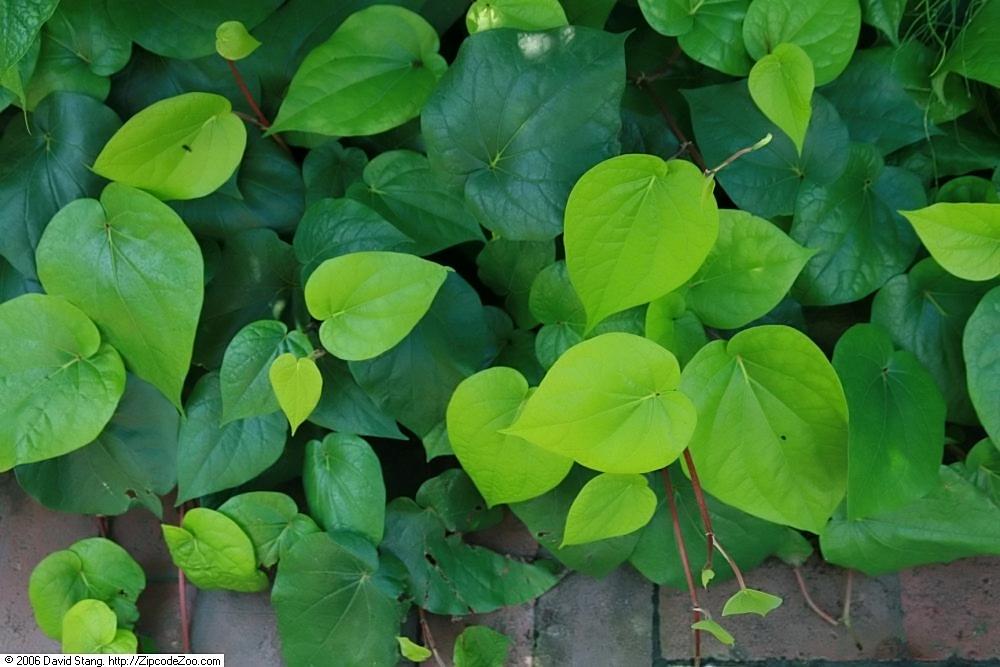
Photo credit : Photo by David J. Stang without modification (CC BY 4.0). License : CC BY 4.0.