Cleome viscosa (Ti-kaya jôn) : vertus médicinales en extraction alcoolique
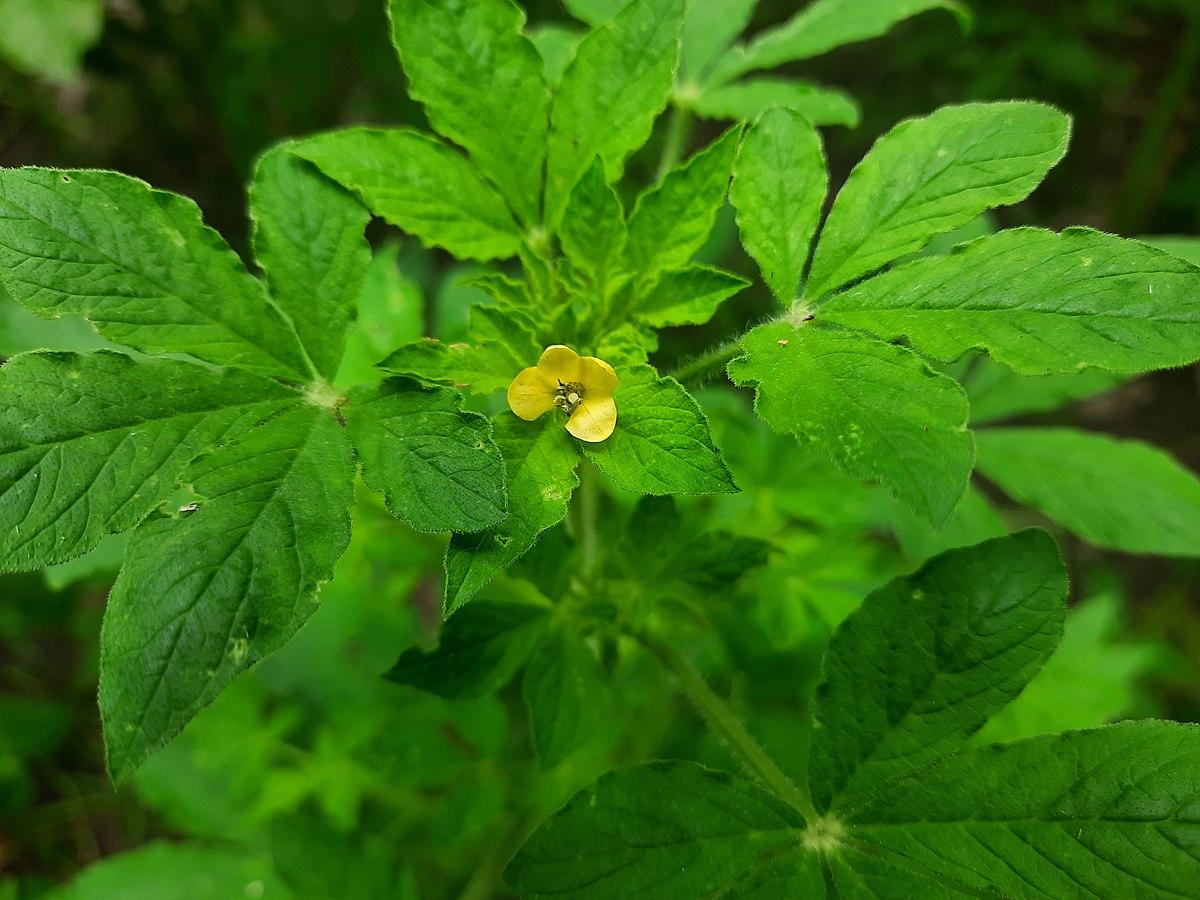
Cleome viscosa (Ti-kaya jôn) : vertus médicinales en extraction alcoolique
Cleome viscosa (Ti-kaya jôn) — famille Capparacées.
Cette base documente les extractions alcooliques (éthanol) des substances actives. Notre monographie recense actuellement 16 indications en extraction alcoolique pour cette espèce. La monographie s’appuie sur 39 références scientifiques enregistrées pour l’espèce.
Indications thérapeutiques en extraction alcoolique :
Note : les extraits de références scientifiques sont conservés dans leur langue d’origine (le plus souvent l’anglais), sans traduction, afin de respecter le texte source des publications.
- Helminthiase des petites ruminants : Partie usitée : Parties aériennes. Profil pharmacologique documenté : Albendazole-like. Association synergique mentionnée : Acorus Calamus-Rhizome.
Selon Mahatma N (2017) : The anthelmintic effect of aqueous & alcoholic extracts of the plant C viscosa was studied in vitro by egg hatch assay method against the gastrointestinal nematodes of small ruminants. The results revealed that both aqueous and alcoholic extracts of the plant showed significant anthelmintic activity at 8% level & the effect was dose dependant. Selon MALI RG (2007) : Both extracts exhibited considerable anthelmintic activity in a dose-dependent manner. - Ictère, cirrhose, hépatite, stéatose alcoolique : Partie usitée : Feuille. Profil pharmacologique documenté : Silymarine-like.
Selon Kumar Mobiya A (2010) : The hepatoprotective effect was evaluated on the basis of liver function parameters viz serum total Bilirubin, total protein, alanine transaminase, aspartate transaminase and alkaline phosphatase activities. In present study, Hepatoprotective activity of the ethanolic extract of Cleome Viscosa L. Selon Nguyen TP (2017) : At the concentration of 25 μM and 50 μM, 1 showed cytotoxic activity against HepG2 cells (cell viability was decreased to 22.2 & 23.0%, respectively, compared with doxorubicin control), while at the concentration of 100 μM, 1 showed hepatoprotective activity against CCl4-induced hepatotoxicity on HepG2 cells (34.3%, compared with quercetin control). - Helminthiase : Partie usitée : Semence. Profil pharmacologique documenté : Piperazine-like.
Selon MALI RG (2007) : (Capparidaceae) were investigated for their anthelmintic activity against Pheretima posthuma & Ascaridia galli. Both extracts exhibited considerable anthelmintic activity in a dose-dependent manner. Selon Mahatma N (2017) : The results revealed that both aqueous and alcoholic extracts of the plant showed significant anthelmintic activity at 8% level & the effect was dose dependant.
D’autres indications (y compris d’autres modes d’extraction le cas échéant), posologies, précautions d’emploi et le détail des références scientifiques sont disponibles dans la fiche monographique complète.
Base médicinale Lapotitjéri di la Nati
Extraits éthanoliques des substances actives — monographies, indications, posologies et références pour professionnels de santé. Ethnopharmacologue Emmanuel Nossin.
→ Rechercher Cleome viscosa dans la base (abonnement requis)
Crédit photo : Photo de Plague sans modification (CC BY 4.0). Licence : CC BY 4.0.