
Alocasia macrorrhiza (Malanga mawon) : vertus médicinales en extraction alcoolique
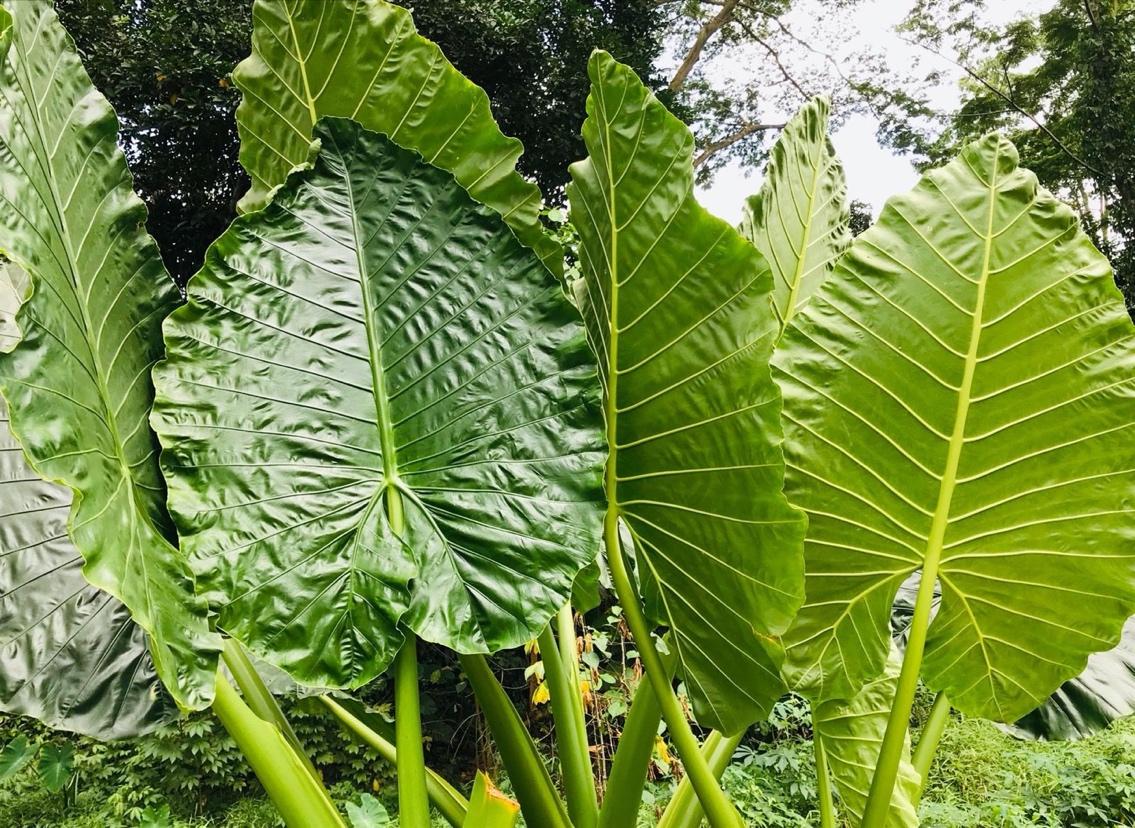
Alocasia macrorrhiza (Malanga mawon) : vertus médicinales en extraction alcoolique
Alocasia macrorrhiza (Malanga mawon) — famille Aracées.
Cette base documente les extractions alcooliques (éthanol) des substances actives. Notre monographie recense actuellement 22 indications en extraction alcoolique pour cette espèce. La monographie s’appuie sur 72 références scientifiques enregistrées pour l’espèce.
Indications thérapeutiques en extraction alcoolique :
Note : les extraits de références scientifiques sont conservés dans leur langue d’origine (le plus souvent l’anglais), sans traduction, afin de respecter le texte source des publications.
- Diabète mellitus de type II : Partie usitée : TUBERCULE rhizome. Profil pharmacologique documenté : Glibenclamide-like.
Selon Jawaid T (2015) : The investigate the antidiabetic & antihyperlipidemic effect of ethanolic extract of Alocasia indica (EEAI) rhizomes in high-fat diet/streptozotocin (HFD/STZ) & STZ/nicotinamide-induced Type 2 diabetic rats. All these effects were compared with glibenclamide (5 mg/kg b.w., p.o.) as a reference antidiabetic drug. Selon Karim R (2014) : Diabetes was induced by single intraperitoneal injection of Streptozotocin (60 mg/kg) and doses of test extracts 200 and 400mg/kg were studied in Streptozotocin induced diabetic rats for the period of 21 days. - Cancer : Partie usitée : TUBERCULE rhizome. Profil pharmacologique documenté : Etoposide-like.
Selon Fang S (2012) : Fang S et al, Anticancer potential of aqueous extract of alocasia macrorrhiza against hepatic cancer in vitro & in vivo. Selon Huang W (s.d.) : All purified compounds were evaluated for their inhibitory effects on lipopolysaccharide (LPS)-induced nitric oxide (NO) production in RAW 264.7 cells, & the antiproliferative activities against human nasopharyngeal carcinoma epithelial (CNE-1), human gastric carcinoma (MGC-803), & human breast cancer (MCF-7) cell lines by MTT method. The results suggested the lignanamides & monoindoles might be responsible for the anti-inflammatory activity of giant taro & might be potential anti-inflammatory candidates. - Hépatopathies : Partie usitée : TUBERCULE rhizome. Profil pharmacologique documenté : Silymarine-like.
Selon Mulla WA (s.d.) : Hepatic steatosis, fatty infiltration, hydropic degeneration & necrosis observed in CCl4 & paracetamol-treated groups were completely absent in histology of the liver sections of the animals treated with the extracts. The results suggests that the hydroalcoholic extract of leaves of AI possess significant potential as hepatoprotective agent. Selon -Pal S (s.d.) : Treatment of rats with alcohol (3 g ethanol per kg body weight per day for 15 days intraperitoneally) produced marked elevation of liver biomarkers such as serum alanine aminotransferase (ALT), aspartate aminotransferase (AST), -glutamyl transpeptidase (-GT), & total bilirubin levels which were reduced by EEAIT in a dose-dependent manner.
D’autres indications (y compris d’autres modes d’extraction le cas échéant), posologies, précautions d’emploi et le détail des références scientifiques sont disponibles dans la fiche monographique complète.
Base médicinale Lapotitjéri di la Nati
Extraits éthanoliques des substances actives — monographies, indications, posologies et références pour professionnels de santé. Ethnopharmacologue Emmanuel Nossin.
→ Rechercher Alocasia macrorrhiza dans la base (abonnement requis)
Crédit photo : Photo de Daramlagon sans modification (CC BY 4.0). Licence : CC BY 4.0.