
Dunaliella salina (Algue rouge) : vertus médicinales en extraction alcoolique
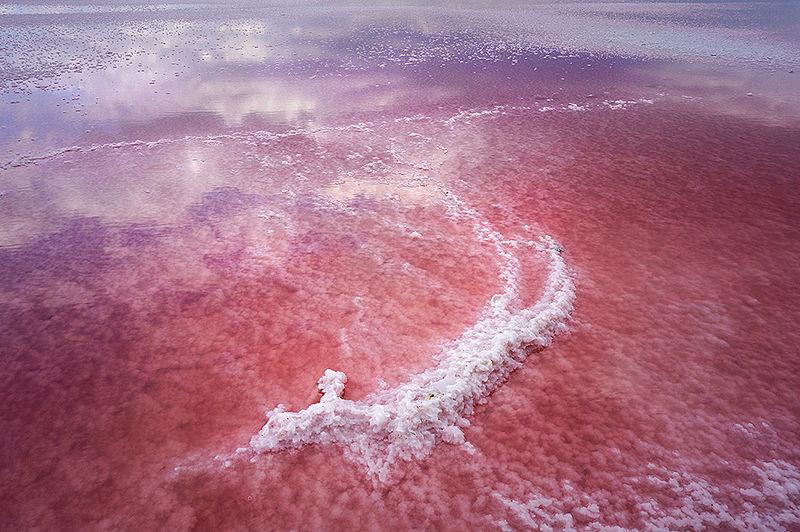
Dunaliella salina (Algue rouge) : vertus médicinales en extraction alcoolique
Dunaliella salina (Algue rouge) — famille Dunalielliacées.
Cette base documente les extractions alcooliques (éthanol) des substances actives. Notre monographie recense actuellement 8 indications en extraction alcoolique pour cette espèce. La monographie s’appuie sur 96 références scientifiques enregistrées pour l’espèce.
Indications thérapeutiques en extraction alcoolique :
Note : les extraits de références scientifiques sont conservés dans leur langue d’origine (le plus souvent l’anglais), sans traduction, afin de respecter le texte source des publications.
- Cancer : Partie usitée : Plante entière. Association synergique mentionnée : Taxol.
Selon Elleuch F (2020) : The biological activity assessment was performed on the Triple Negative Breast Cancer (TNBC) using 4T1 murine cells as a model. isolated from the Tunisian coastal zone possesses any anticancer activity. Selon Nagasawa H (1989) : Moreover, mammary gland susceptibility to mammotrophic hormones was affected little by Dunaliella. - Diabète mellitus de type II : Partie usitée : Plante entière. Profil pharmacologique documenté : Glibenclamide-like.
Selon El-Baz FK (2016) : The aim of the present investigation is to study the protective effect of the Dunaliella salina extract against streptozotocin (STZ)- induced type 2 diabetes mellitus (T2DM) in male rats. The biological effect of DS could be attributed to its high level of 9-cis – carotene which protect cells from the oxidative stress, hence, treatment of diabetic rats with DS extract declared therapeutic potential in hyperglycemia dominance which need further clinical trial for usage as nutraceutical product, in diabetic regimen,. Selon El-Baz FK (2016) : The aim of the current research is to study the effect of Dunaliella salina ethanolic extract on renal function & inflammatory cytokines in streptozotocin (STZ)-induced diabetic rats. - Infection bactérienne : Partie usitée : Plante entière.
Selon Herrero M (2006) : In the present work, the antimicrobial activity of different pressurized liquid extracts obtained from Dunaliella salina microalga was tested against several microorganisms of importance for the food industry (Escherichia coli, Staphylococcus aureus, Candida albicans, & Aspergillus niger). Because the main antimicrobial activity of the extracts was against bacteria, the extracts can be considered to be specifically antibacterial. Selon Herrero M (2006) : In the present work, the antimicrobial activity of different pressurized liquid extracts obtained from Dunaliella salina microalga was tested against several microorganisms of importance for the food industry (Escherichia coli, Staphylococcus aureus, Candida albicans, & Aspergillus niger).
D’autres indications (y compris d’autres modes d’extraction le cas échéant), posologies, précautions d’emploi et le détail des références scientifiques sont disponibles dans la fiche monographique complète.
Base médicinale Lapotitjéri di la Nati
Extraits éthanoliques des substances actives — monographies, indications, posologies et références pour professionnels de santé. Ethnopharmacologue Emmanuel Nossin.
→ Rechercher Dunaliella salina dans la base (abonnement requis)
Crédit photo : Photo de Angu sans modification (CC BY 4.0). Licence : CC BY 4.0.