
Annona cherimola (Chérimôl) : vertus médicinales en extraction alcoolique
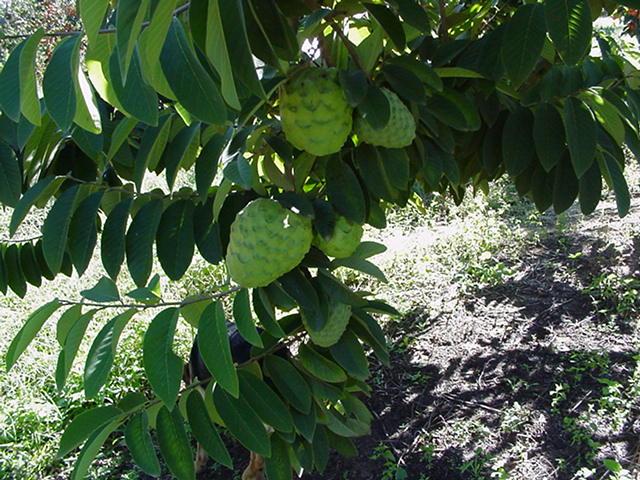
Annona cherimola (Chérimôl) : vertus médicinales en extraction alcoolique
Annona cherimola (Chérimôl) — famille Annonacées.
Cette base documente les extractions alcooliques (éthanol) des substances actives. Notre monographie recense actuellement 10 indications en extraction alcoolique pour cette espèce. La monographie s’appuie sur 44 références scientifiques enregistrées pour l’espèce.
Indications thérapeutiques en extraction alcoolique :
Note : les extraits de références scientifiques sont conservés dans leur langue d’origine (le plus souvent l’anglais), sans traduction, afin de respecter le texte source des publications.
- Cancer : Partie usitée : Feuille. Profil pharmacologique documenté : Cisplatine-like, Topotécan-like.
Selon Ceramella J (2021) : we investigated the antioxidant & anticancer properties on melanoma cells of three Annona cherimola leaves extracts (ethanolic, methanolic & aqueous). The ethanolic extract showed the most promising & interesting anticancer activity, mostly on the malignant A2058 melanoma cell line (I50-C= 5.6±0.8 ng/mL), without exerting cytotoxicity on the normal cells. Selon Younes M (2020) : Conclusion: All the data presented in our study suggest that AELE exhibits a selective anti-proliferative & pro-apoptotic effect on the chemo-resistant MDA-MB-231 breast cancer cells, providing evidence for the anti-tumor effects of A. - Diabète mellitus de type II : Partie usitée : Feuille. Profil pharmacologique documenté : Acarbose-like, Canagliflozine-like. Association synergique mentionnée : Metformine, Glibenclamide, Canagliflozine, Acarbose.
Selon CALZADA F (2023) : Among all products tested, EEAc, the aqueous residual fraction (AcRFr), rutin, & myricetin reduced the hyperglycemia in DM2 mice. An α-glucosidase inhibition was evaluated with oral sucrose tolerance tests (OSTT) & molecular docking studies using acarbose as the control. Selon Valdes M (2023) : Both treatments were evaluated separately & in combination with the oral antidiabetic drugs (OADs) acarbose (Aca), metformin (Met), glibenclamide (Gli), & canagliflozin (Cana) in acute & subchronic assays. - Amibiase, diarrhée, dysenterie amibienne : Partie usitée : Feuille. Profil pharmacologique documenté : Métronidazole -like.
Selon Calzada F (2017) : Results: The in vitro antiprotozoal assay showed that kaempferol was the most potent antiamoebic & antigiardial compound with IC50 values of 7.9 μg/mL for Entamoeba histolytica & 8.7 μg/mL for Giardia lamblia. Also, these findings give support to the use of AC in the traditional medicine from México for the treatment of diarrhea & dysentery. Selon Bories C (1991) : cherimolia (Annonaceae) seeds were tested for antiparasitic activity against E.
D’autres indications (y compris d’autres modes d’extraction le cas échéant), posologies, précautions d’emploi et le détail des références scientifiques sont disponibles dans la fiche monographique complète.
Base médicinale Lapotitjéri di la Nati
Extraits éthanoliques des substances actives — monographies, indications, posologies et références pour professionnels de santé. Ethnopharmacologue Emmanuel Nossin.
→ Rechercher Annona cherimola dans la base (abonnement requis)
Crédit photo : Photo de Marcelo RosaMelo sans modification (CC BY-SA 4.0). Licence : CC BY-SA 4.0.