
Luffa cylindrica (Lyenn tôchon) : vertus médicinales en extraction alcoolique
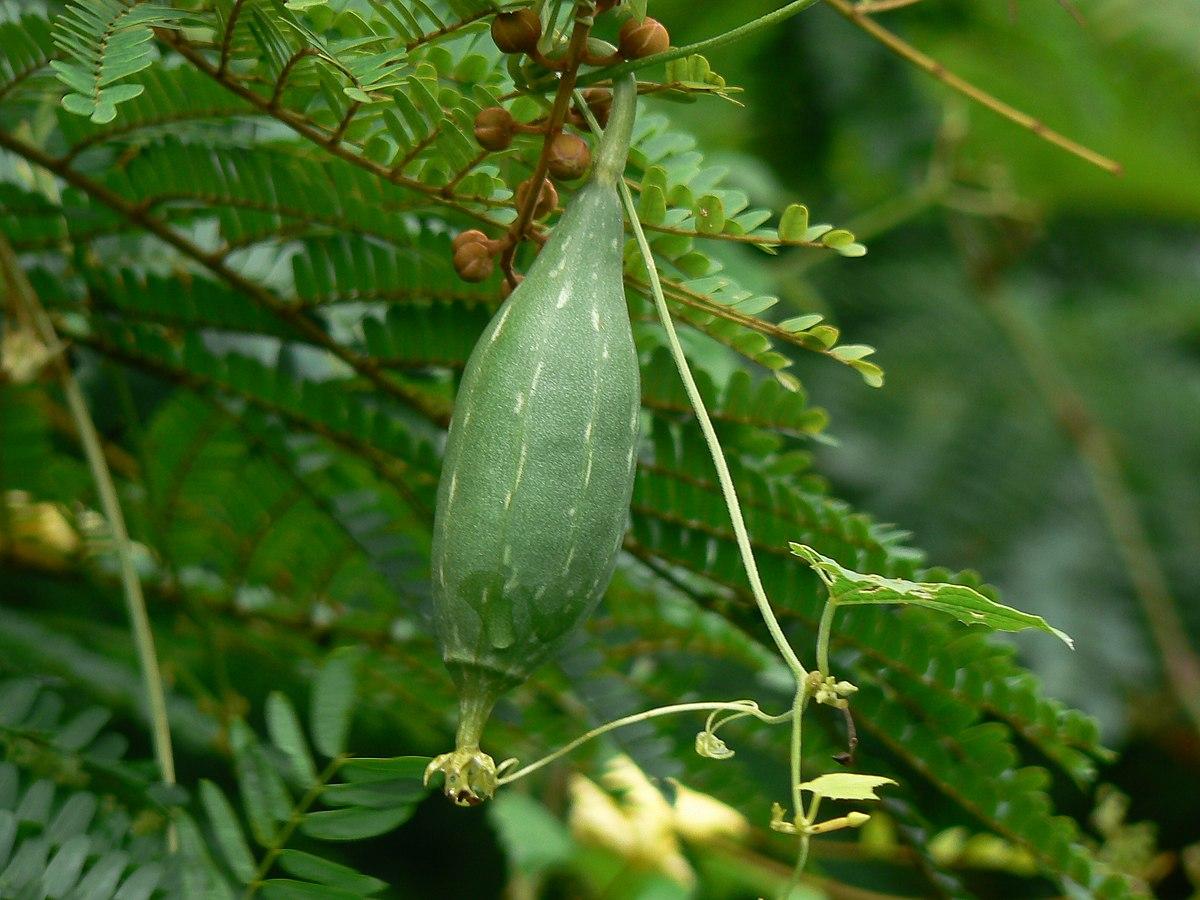
Luffa cylindrica (Lyenn tôchon) : vertus médicinales en extraction alcoolique
Luffa cylindrica (Lyenn tôchon) — famille Cucurbitacées.
Cette base documente les extractions alcooliques (éthanol) des substances actives. Notre monographie recense actuellement 15 indications en extraction alcoolique pour cette espèce. La monographie s’appuie sur 110 références scientifiques enregistrées pour l’espèce.
Indications thérapeutiques en extraction alcoolique :
Note : les extraits de références scientifiques sont conservés dans leur langue d’origine (le plus souvent l’anglais), sans traduction, afin de respecter le texte source des publications.
- Douleur, hyperalgie : Partie usitée : Fruit. Profil pharmacologique documenté : Diclofénac-like.
Selon Ali Esmail Al Snafi (2019) : The pharmacological investigation showed that LC possessed antiinflammatory, analgesic, antipyretic, hypoglycemic, antibacterial, antifungal, antiviral, anthelmintic, antioxidant, anticancer, hepatoprotective, antiemetic, wound healing, immunological, bronchodilating, reproductive effect & in treatment of cataract. Luffa cylindrica was used traditionally for the treatment of asthma, intestinal worms, sinusitis, chronic bronchitis pain, carbuncles, abscesses, inflammation, heat rashes of children in summer, bowels or bladder hemorrhage, hemorrhoids, jaundice, menorrhagia, haematuria, leprosy, spleenopathy, as anthelmintic, carminative, emmenagogue, galactagogue & as antiseptic. Selon Khan K.W (2013) : Ethanol extracts of leaves, male flowers & fruit peel of Luffa cylindrica (L.) Roem., were evaluated for analgesic effect using analgesy meter test, a mechanically induced pain model. - Infection bacterienne : Partie usitée : Fruit. Profil pharmacologique documenté : Ciprofloxacine-like.
Selon Onegbule FA (2018) : In the antimicrobial evaluation, the ethanol & ethyl acetate extracts showed moderate antibacterial activity against Staphylococcus aureus, Salmonella typhi, & Bacillus subtilis. The ethyl acetate extract exhibited considerable antimicrobial activity against the test isolates compared to the ethanol extract. Selon Ahmad B (2013) : cylindrical exhibited good (64%) & crude methanolic extract, moderate (58%) antibacterial activity against Bacillus subtilis. - Arthrose, arthrite, rhumatisme, oedème : Partie usitée : Fleur mâle. Profil pharmacologique documenté : Indométacine-like.
Selon Khan K.W (2013) : Ethanol & hexane extracts of the leaves & male flowers of Luffa cylindrica were evaluated for antiemetic & anti-inflammatory effect using chick emesis model & carrageenan induced rat paw oedema. Chlorpromazine 150 mg/kg & indomethacin 10 mg/kg orally were used as standard antiemetic & anti-inflammatory drugs . Selon —Abirami MS (2011) : The anti-inflammatory activity was evaluated using carrageenan-induced rat paw edema method in rats.
D’autres indications (y compris d’autres modes d’extraction le cas échéant), posologies, précautions d’emploi et le détail des références scientifiques sont disponibles dans la fiche monographique complète.
Base médicinale Lapotitjéri di la Nati
Extraits éthanoliques des substances actives — monographies, indications, posologies et références pour professionnels de santé. Ethnopharmacologue Emmanuel Nossin.
→ Rechercher Luffa cylindrica dans la base (abonnement requis)
Crédit photo : Photo de Dinesh Valke sans modification (CC BY 4.0). Licence : CC BY 4.0.