Pandanus odoratissimus (Bakwa) : vertus médicinales en extraction alcoolique
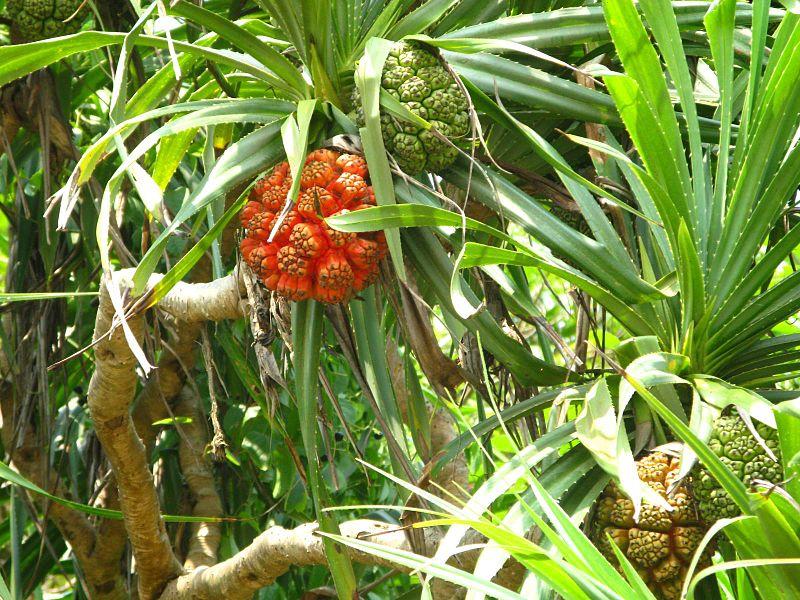
Pandanus odoratissimus (Bakwa) : vertus médicinales en extraction alcoolique
Pandanus odoratissimus (Bakwa) — famille Pandanacées.
Cette base documente les extractions alcooliques (éthanol) des substances actives. Notre monographie recense actuellement 13 indications en extraction alcoolique pour cette espèce. La monographie s’appuie sur 33 références scientifiques enregistrées pour l’espèce.
Indications thérapeutiques en extraction alcoolique :
Note : les extraits de références scientifiques sont conservés dans leur langue d’origine (le plus souvent l’anglais), sans traduction, afin de respecter le texte source des publications.
- Infection bacterienne : Partie usitée : Feuille. Profil pharmacologique documenté : Amphotericine-B-like.
Selon Kumar D (2010) : The objective of this study was to investigate the antimicrobial effects of Petroleum ether, chloroform & hydroalcoholic extracts of Pandanus odoratissimus leaf against Bacillus subtilis, Escherichia coli, Staphylococcus aureus & Candida albicans. Out of three extracts, hydro-alcoholic extract showed good antimicrobial activity. Selon Chilakwad SR (2008) : The objective of this study was to investigate the antimicrobial effects of Petroleum ether, chloroform & hydroalcoholic extracts of Pandanus odoratissimus leaf against Bacillus subtilis, Escherichia coli, Staphylococcus aureus & Candida albicans. - Cancer : Partie usitée : Racine. Profil pharmacologique documenté : 5-Fluoro-Uracile-like.
Selon Mani TT (2008) : The antitumor activity of EPF was evaluated against Dalton’s ascites Lymphoma (DAL) tumor model. Antitumor activity of ethanolic extract of pandanus fascicularis Lam (EPF) was studied in mice. Selon Raj Gunti Gowtham (2014) : Raj Gunti Gowtham et al, Anticancer Studies of Aqueous Extract of Roots & Leaves of Pandanus odoratissimus f. - Hépatite, cirrhose, stéatose hépatique : Partie usitée : Racine. Profil pharmacologique documenté : Silymarine-like.
Selon Ilanchezhian R (2006) : Ilanchezhian R et al, Hepatoprotective & hepatocurative activity of the traditional medicine Ket Aki (Pandanus odoratissimus Roxb.), Asian Jl of Trad Med, 5(6) :212–8, 2006. Selon El-Shabani A (2016) : peduncle has potential hepatoprotective activity against APAP- induced hepatotoxicity in guinea pigs. To investigate the hepatoprotective activity of methanol extracts of peduncles, flowers and spathes of Pandanus odoratissimus L.
D’autres indications (y compris d’autres modes d’extraction le cas échéant), posologies, précautions d’emploi et le détail des références scientifiques sont disponibles dans la fiche monographique complète.
Base médicinale Lapotitjéri di la Nati
Extraits éthanoliques des substances actives — monographies, indications, posologies et références pour professionnels de santé. Ethnopharmacologue Emmanuel Nossin.
→ Rechercher Pandanus odoratissimus dans la base (abonnement requis)
Crédit photo : Photo de Miran Rijavec sans modification (CC BY 2.0). Licence : CC BY 2.0.