Piper betle (Pwèv) : vertus médicinales en extraction alcoolique
Piper betle (Pwèv) : vertus médicinales en extraction alcoolique
Piper betle (Pwèv) — famille Pipéracées.
Cette base documente les extractions alcooliques (éthanol) des substances actives. Notre monographie recense actuellement 30 indications en extraction alcoolique pour cette espèce. La monographie s’appuie sur 153 références scientifiques enregistrées pour l’espèce.
Indications thérapeutiques en extraction alcoolique :
Note : les extraits de références scientifiques sont conservés dans leur langue d’origine (le plus souvent l’anglais), sans traduction, afin de respecter le texte source des publications.
- Infection bactérienne : Partie usitée : Feuille. Profil pharmacologique documenté : Ampicilline-like, Cefotaxime-like, Gentamycine-like.
Selon Wriyaprom R (2025) : Enterohemorrhagic Escherichia coli (EHEC) O157:H7 is one of a major foodborne pathogen concern worldwide. coli O157:H7 biofilms & prevents the bacterial adhesion on beef during storage. Selon CHAKRABORTY D (2011) : In the present experiment four different extracts (water, methanol, ethyl acetate & petroleum ether) of Piper betel leaves were tested against four different pathogenic bacteria namely Streptococcus pyogenes, Staphylococcus aureus, Proteus vulgaris & Escherichia coli. - Dyslipidémie : Partie usitée : Feuille. Profil pharmacologique documenté : Lovastatine-like.
Selon Saravanan R (2004) : These results suggest that PB leaf extract exhibits a hypolipidemic effect in ethanol-treated rats. Co-administration of PB significantly increased blood glucose & lowered the levels of plasma & tissue lipids as compared to ethanol-treated rats. Selon Venkateswaran K (2014) : The hypercholesterolemia-ameliorating effect was better defined in eugenol-treated than in PB extract-treated rats, being as effective as that of the standard lipid-lowering drug, lovastatin (10 mg/kg b.wt). - Infection fongique : Partie usitée : Feuille. Profil pharmacologique documenté : Griséofulvine-like, Ketoconazole-like.
Selon Trakrangungsle N (2008) : Crude ethanolic extracts of Piper betle leaves (Piperaceae), Alpinia galanga rhizomes (Zingiberaceae) & Allium ascalonicum bulbs (Liliaceae) were tested against selected zoonotic dermatophytes (Microsporum canis, Microsporum gypseum & Trichophyton mentagrophyte) & the yeast-like Candida albicans. betle extract & 80 microg ketoconazole against tested fungi at 96 h after incubation. Selon Ali I (2010) : Hydroxychavicol also exhibited an extended post antifungal effect of 6.25 to 8.70 h at 4 × MIC for Candida species & suppressed the emergence of mutants of the fungal species tested at 2 × to 8 × MIC concentration.
D’autres indications (y compris d’autres modes d’extraction le cas échéant), posologies, précautions d’emploi et le détail des références scientifiques sont disponibles dans la fiche monographique complète.
Base médicinale Lapotitjéri di la Nati
Extraits éthanoliques des substances actives — monographies, indications, posologies et références pour professionnels de santé. Ethnopharmacologue Emmanuel Nossin.
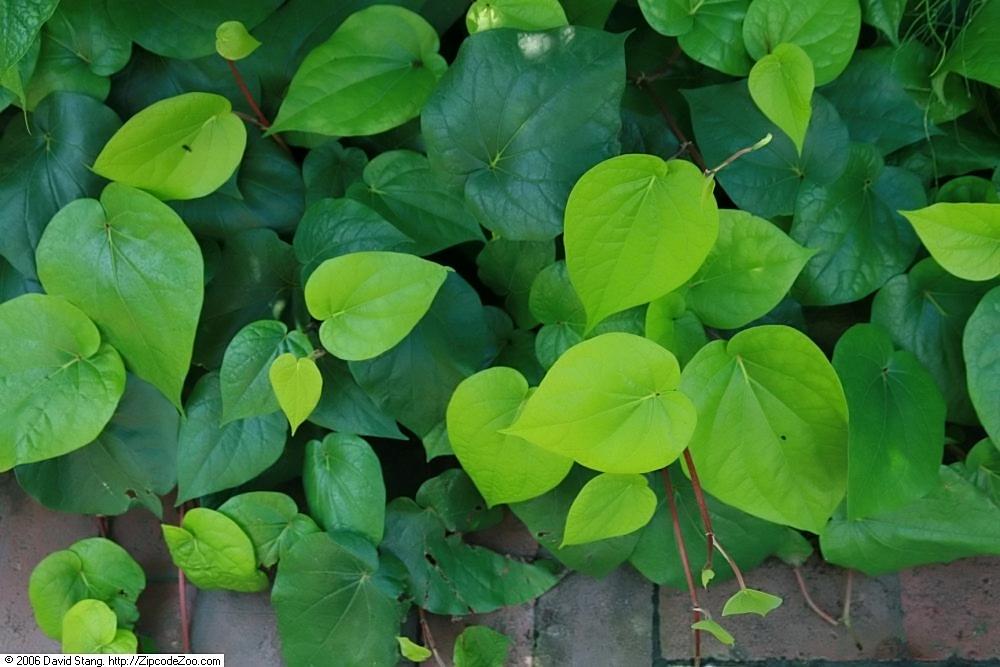
Crédit photo : Photo de David J. Stang sans modification (CC BY 4.0). Licence : CC BY 4.0.