
Abelmoschus esculentus (Gonbo) : vertus médicinales en extraction alcoolique
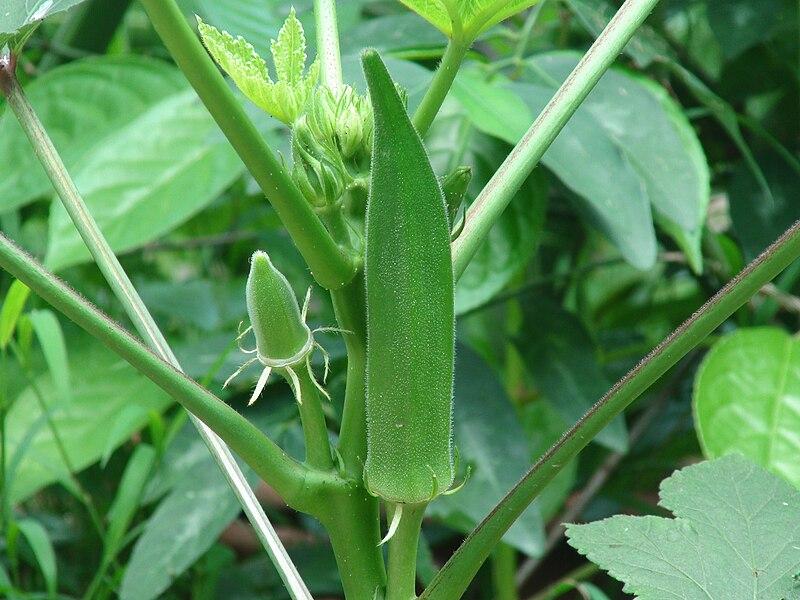
Abelmoschus esculentus (Gonbo) : vertus médicinales en extraction alcoolique
Abelmoschus esculentus (Gonbo) — famille Malvacées.
Sources externes reconnues associées à cette monographie : TRAMIL.
Cette base documente les extractions alcooliques (éthanol) des substances actives. Notre monographie recense actuellement 11 indications en extraction alcoolique pour cette espèce. La monographie s’appuie sur 162 références scientifiques enregistrées pour l’espèce.
Indications thérapeutiques en extraction alcoolique :
Note : les extraits de références scientifiques sont conservés dans leur langue d’origine (le plus souvent l’anglais), sans traduction, afin de respecter le texte source des publications.
- Ulcère gastrique : Partie usitée : Fruit. Profil pharmacologique documenté : Oméprazole-like.
Selon Ortaç D (2018) : Discussion & conclusions: Our in vivo data indicate that okra has a gastroprotective effect against ethanol & could reduce the gastric ulcer as seen from biochemical & histopathological results. Objective: In the present study, we evaluated the gastroprotective effect of okra against ethanol-induced acute gastric mucosal injury in animal models. Selon Yasin H (2020) : This research aims to examine the anti-inflammatory & anti-ulcer attributes of AE extract against gastric lesions. - Infection du poisson de ferme Dicentrarchus labrax : Partie usitée : Semence.
Selon Guebebia S (2023) : Moreover, at mid-stage maturity, AE fruit extracts exhibited a major antibacterial effect against Vibrio anguillarum. Methods: This study examined the modifications in total phenolic content (TPC), total flavonoid content (TFC), & antioxidant & antibacterial capacities of three AE fruit hydroalcoholic extracts during three comestible maturity stages. Selon Devanesan S (2021) : Conclusion: Compared to other NPs the NPs synthesized in this study were smaller in size & exhibited a higher level of antibacterial activity, cytotoxicity & apoptosis at minimal concentrations, & this is the first study on okra flower-induced anticancer & antimicrobial activities,. - – troubles hépatiques : Partie usitée : Fruit. Profil pharmacologique documenté : Silymarine-like.
Selon Wahyuningsih SP (2021) : Therefore, this study aims to determine the antioxidant & hepatoprotective potential of red okra fruit ethanol extract against NaNO2-induced liver damage. Besides, the oxidants (malondialdehyde, F2-isoprostanes, & nitric oxide) in the liver homogenate significantly decreased in the P4 group, which were given red okra ethanol extract (p < 0.05). Selon Sunilson JA (s.d.) : The oral administration of the extract (250 & 500 mg/kg body weight), significantly reduce CCl4 induced hepatotoxicity in rats, as judged from the serum & tissue activity of marker enzymes [Glutamate oxaloacetate transaminase (GOT), Glutamate pyruvate transaminase (GPT) & alkaline phosphatase (ALP)].
D’autres indications (y compris d’autres modes d’extraction le cas échéant), posologies, précautions d’emploi et le détail des références scientifiques sont disponibles dans la fiche monographique complète.
Base médicinale Lapotitjéri di la Nati
Extraits éthanoliques des substances actives — monographies, indications, posologies et références pour professionnels de santé. Ethnopharmacologue Emmanuel Nossin.
→ Rechercher Abelmoschus esculentus dans la base (abonnement requis)
Crédit photo : Photo de Earth100 sans modification (CC BY 4.0). Licence : CC BY 4.0.