
Curcuma longa (Tjitjima) : medicinal properties | Lapo
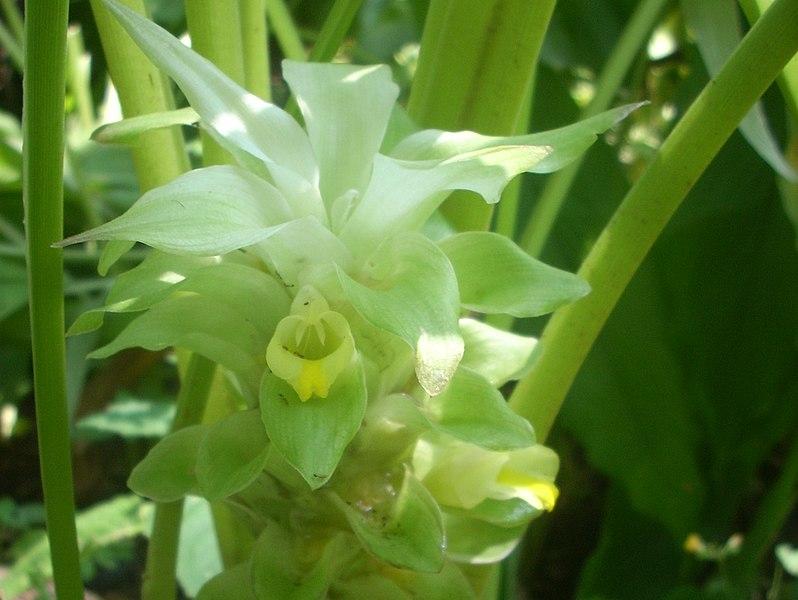
Curcuma longa (Tjitjima) : medicinal properties in alcoholic extraction
Curcuma longa (Tjitjima) — family Zingiberacées.
Recognised external sources linked to this monograph: TRAMIL and French Pharmacopoeia.
This database documents alcoholic (ethanol) extractions of active substances. Our monograph currently lists 43 indications in alcoholic extraction for this species. The monograph draws on 228 scientific references recorded for the species.
Therapeutic indications in alcoholic extraction:
Note: scientific reference excerpts are kept in their original language (most often English), without translation, to respect the source text of publications.
- Cancer : Plant part used: Rhizome. Documented pharmacological profile: Folfox-like. Mentioned synergistic association: Bevacizumab.
According to LI M (2018): Curcumin, a well-studied component in turmeric, exhibits potent antitumor effects in colorectal cancer. Conclusions: CL extract was demonstrated for the first time for its anti-tumor & anti-metastatic effects in both colorectal cancer cells & orthotopic mouse model through regulation of multiple targets. According to LEE GGL (2016): In conclusion, combination of CL extract with bevacizumab possessed potent anti-tumor effects without observable side effects, strongly suggesting the adjuvant use of turmeric extract in colorectal cancer therapy. - Bacterial infection : Plant part used: Rhizome. Documented pharmacological profile: Acide Nalidixique-like, Imipenem-like.
According to Sincharoenpokai P (2009): Tarda in which some were different from those of ethanol and hexane turmeric extract. According to NAZ S (2012): -Curcuma longa rhizome extracts of different samples (A, B & C) were evaluated for antibacterial activity against four pathogenic bacterial strains, which are Bacillus subtilis, Bacillus macerans, Bacillus licheniformis & Azotobacter sp using agar well diffusion method. licheniformis & Azotobacter respectively. - Infected wound, injury, incision : Plant part used: Rhizome. Documented pharmacological profile: Nitrofurazone-like. Mentioned synergistic association: Terminalia arjuna-écorce, Centella asiatica-feuille.
According to Naama JH (2010): The extract showed a considerable anticancer activity against the cell line of human hepato cellular liver Carcinoma. The study of anticancer activity of the curcumin and ethanolic extract were done in vivo on mice & in vitro on cell line. According to Gull N (2023): Among all forms of cancers, hepatocellular carcinoma (HCC) is the fifth most common cancer worldwide.
Further indications (including other extraction modes where applicable), dosages, precautions for use and full scientific references are available in the complete monograph.
Lapotitjéri di la Nati medicinal database
Ethanolic extracts of active substances — monographs, indications, dosages and references for healthcare professionals. Ethnopharmacologist Emmanuel Nossin.
→ Search Curcuma longa in the database (subscription required)
Photo credit : Photo by Manojk without modification (CC BY-SA 3.0. License : CC BY-SA 3.0.