
Ipomea quamoclit (Venus’s Hair) : medicinal properties | Lapo
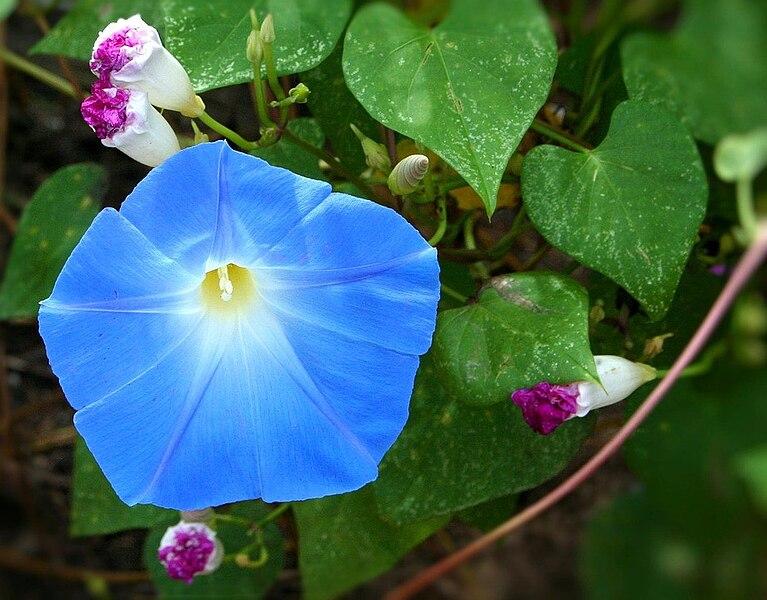
Ipomea quamoclit (Venus’s Hair) : medicinal properties in alcoholic extraction
Ipomea quamoclit (Venus’s Hair) — family Convolvulacées.
This database documents alcoholic (ethanol) extractions of active substances. Our monograph currently lists 6 indications in alcoholic extraction for this species. The monograph draws on 17 scientific references recorded for the species.
Therapeutic indications in alcoholic extraction:
Note: scientific reference excerpts are kept in their original language (most often English), without translation, to respect the source text of publications.
- Osteoarthritis, arthritis, rheumatism, oedema : Plant part used: Sheet. Documented pharmacological profile: Diclofénac-like.
Selon Ho KL (2015) : The methanol leaf extract of IQ was shown to possess the highest anti-proliferative activity against the tested cell lines. Hence, the present study aims to examine the anti-proliferative effect of the methanol, dichloromethane, ethyl acetate & hexane extracts of IQleaves (15-1000 μg mL) on MCF-7 (breast adenocarcinoma), HeLa (cervix adenocarcinoma), CNE-1 (nasopharyngeal carcinoma), HT-29 (colorectal adenocarcinoma) & 3T3 (normal mouse fibroblast) cell lines. Selon Aziopono OM (2022) : In the acute anti-inflammation assay, significant (P<0.05) anti-inflammatory activities were observed from the 5th hour for the ethyl acetate fraction (150&d 400 mg/kg) & the butanol fraction (400 mg/kg). - Adjuvant treatment for colorectal cancer : Plant part used: Whole plant. Documented pharmacological profile: 5-Fluoro-uracile-like.
Selon Ho KL (2015) : Hence, the present study aims to examine the anti-proliferative effect of the methanol, dichloromethane, ethyl acetate & hexane extracts of IQleaves (15-1000 μg mL) on MCF-7 (breast adenocarcinoma), HeLa (cervix adenocarcinoma), CNE-1 (nasopharyngeal carcinoma), HT-29 (colorectal adenocarcinoma) & 3T3 (normal mouse fibroblast) cell lines. However, the anticancer property of this plant have not yet been scientifically tested. Selon Renuka K (2014) : The bioactive compound responsible for these activities could be isolated & identified to develop a new drug.Anticancer Activity the Cytotoxic studies indicate that Ipomoea Quamoclit inhibits Caco-2 (colon cancer) cell viability which is dose dependent. - Type II diabetes mellitus : Plant part used: Whole plant. Documented pharmacological profile: Glibenclamide-like.
Selon Reddy RJ (2015) : Antidiabetic activity was evaluated by streptozotocin induced diabetic rats where the hydroalcoholic extract of whole plant was administered orally at a dose of 250 & 500 mg/kg for 30 days. Present study gives scientific evidence for the folklore claim of the plant under study for its use in diabetes. Selon Auteur (2016) : These include antioxidant activity, antimicrobial activity, anticancer activity, antidiabetic activity as well as insecticidal activity.
Further indications (including other extraction modes where applicable), dosages, precautions for use and full scientific references are available in the complete monograph.
Lapotitjéri di la Nati medicinal database
Ethanolic extracts of active substances — monographs, indications, dosages and references for healthcare professionals. Ethnopharmacologist Emmanuel Nossin.
→ Search Ipomea quamoclit in the database (subscription required)
Photo credit : Photo by Krish Dulal without modification (CC BY-SA 3.0). License : CC BY-SA 3.0.