
Ipomea quamoclit (Cheveux de Venus) : vertus médicinales en extraction alcoolique
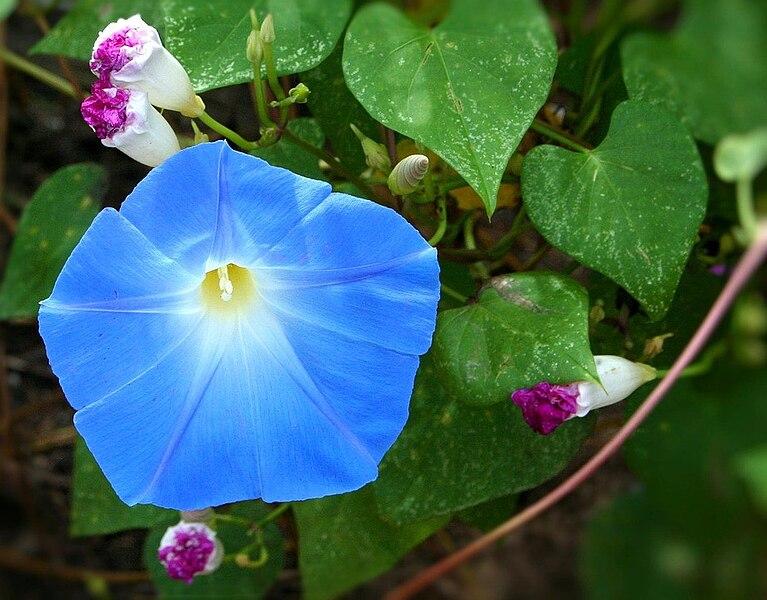
Ipomea quamoclit (Cheveux de Venus) : vertus médicinales en extraction alcoolique
Ipomea quamoclit (Cheveux de Venus) — famille Convolvulacées.
Cette base documente les extractions alcooliques (éthanol) des substances actives. Notre monographie recense actuellement 6 indications en extraction alcoolique pour cette espèce. La monographie s’appuie sur 17 références scientifiques enregistrées pour l’espèce.
Indications thérapeutiques en extraction alcoolique :
Note : les extraits de références scientifiques sont conservés dans leur langue d’origine (le plus souvent l’anglais), sans traduction, afin de respecter le texte source des publications.
- Arthrose, arththite, rhumatisme, oedème : Partie usitée : Feuille. Profil pharmacologique documenté : Diclofénac-like.
Selon Ho KL (2015) : The methanol leaf extract of IQ was shown to possess the highest anti-proliferative activity against the tested cell lines. Hence, the present study aims to examine the anti-proliferative effect of the methanol, dichloromethane, ethyl acetate & hexane extracts of IQleaves (15-1000 μg mL) on MCF-7 (breast adenocarcinoma), HeLa (cervix adenocarcinoma), CNE-1 (nasopharyngeal carcinoma), HT-29 (colorectal adenocarcinoma) & 3T3 (normal mouse fibroblast) cell lines. Selon Aziopono OM (2022) : In the acute anti-inflammation assay, significant (P<0.05) anti-inflammatory activities were observed from the 5th hour for the ethyl acetate fraction (150&d 400 mg/kg) & the butanol fraction (400 mg/kg). - Traitement adjuvant du cancer colorectal : Partie usitée : Plante entière. Profil pharmacologique documenté : 5-Fluoro-uracile-like.
Selon Ho KL (2015) : Hence, the present study aims to examine the anti-proliferative effect of the methanol, dichloromethane, ethyl acetate & hexane extracts of IQleaves (15-1000 μg mL) on MCF-7 (breast adenocarcinoma), HeLa (cervix adenocarcinoma), CNE-1 (nasopharyngeal carcinoma), HT-29 (colorectal adenocarcinoma) & 3T3 (normal mouse fibroblast) cell lines. However, the anticancer property of this plant have not yet been scientifically tested. Selon Renuka K (2014) : The bioactive compound responsible for these activities could be isolated & identified to develop a new drug.Anticancer Activity the Cytotoxic studies indicate that Ipomoea Quamoclit inhibits Caco-2 (colon cancer) cell viability which is dose dependent. - Diabète mellitus de type II : Partie usitée : Plante entière. Profil pharmacologique documenté : Glibenclamide-like.
Selon Reddy RJ (2015) : Antidiabetic activity was evaluated by streptozotocin induced diabetic rats where the hydroalcoholic extract of whole plant was administered orally at a dose of 250 & 500 mg/kg for 30 days. Present study gives scientific evidence for the folklore claim of the plant under study for its use in diabetes. Selon Auteur (2016) : These include antioxidant activity, antimicrobial activity, anticancer activity, antidiabetic activity as well as insecticidal activity.
D’autres indications (y compris d’autres modes d’extraction le cas échéant), posologies, précautions d’emploi et le détail des références scientifiques sont disponibles dans la fiche monographique complète.
Base médicinale Lapotitjéri di la Nati
Extraits éthanoliques des substances actives — monographies, indications, posologies et références pour professionnels de santé. Ethnopharmacologue Emmanuel Nossin.
→ Rechercher Ipomea quamoclit dans la base (abonnement requis)
Crédit photo : Photo de Krish Dulal sans modification (CC BY-SA 3.0). Licence : CC BY-SA 3.0.