
Momordica dioica (Qwo Pawoka) : medicinal properties | Lapo
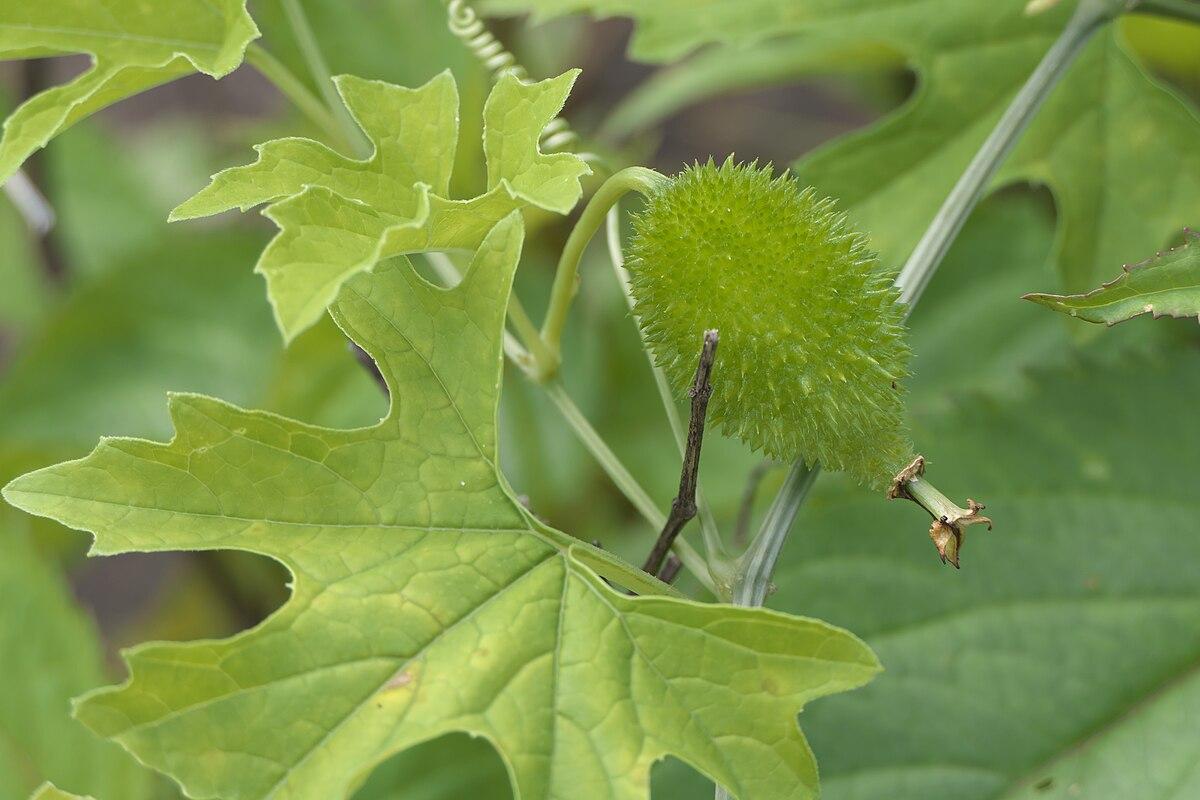
Momordica dioica (Qwo Pawoka) : medicinal properties in alcoholic extraction
Momordica dioica (Qwo Pawoka) — family Cucurbitacées.
This database documents alcoholic (ethanol) extractions of active substances. Our monograph currently lists 13 indications in alcoholic extraction for this species. The monograph draws on 51 scientific references recorded for the species.
Therapeutic indications in alcoholic extraction:
Note: scientific reference excerpts are kept in their original language (most often English), without translation, to respect the source text of publications.
- Liver disorders : Plant part used: Root. Documented pharmacological profile: Silymarine-like.
Selon Kushwaha SK (2005) : The fraction caused decrease in serum level of enzymes serum glutamate oxaloacetate transaminase, serum glutamate pyruvate transaminase, alkaline phosphate & total bilirubin in treated rats as compared to control. The flavonoidal fraction collected from column chromatography from ethanolic extract of fruits of Momordica dioica Roxb was evaluated for hepatoprotective activity in Wistar strain of albino rats of either sex against carbon tetrachloride induced hepatic damage. Selon Ilango K (2004) : The extracts, at a dose of 400 mg/kg (po) administered for 7 days exhibited a significant therapeutic effect by lowering Serum Glutamate Oxaloacetate Transaminase (SGOT), Serum Glutamate Pyruvate Transaminase (SGPT), serum alkaline phosphatase (ALP) & serum bilirubin & increasing the serum levels. - Oxidative stress : Plant part used: Fruit. Documented pharmacological profile: Acide ascorbique-like, alpha-tocophérol-like.
Selon Nandini HS (2020) : The results from in vitro studies and both the extracts have potent antioxidant & free radical scavenging properties. The extraction was submitted to the in vivo cardioprotective activity by stress & clozapine-induced cardiotoxicity by using hypoglycaemic rats. Selon Vijayakumar M (2011) : Estimation of H+-K+ ATPase activity & gastric wall mucous were performed in ethanol-induced ulcer model, antioxidant enzyme activities was carried out in cold-restraint stress-induced ulcer model, & various gastric secretion parameters like volume of gastric juice, acid output, & pH value were estimated in pylorus ligation-induced ulcer model. - Osteoarthritis, arthritis, rheumatism, oedema : Plant part used: Root. Documented pharmacological profile: Ibuprofène-like.
Selon Shreedhara CS (2006) : The alcoholic extract also significantly reduced carrageenan-induced paw edema when administered orally (200 mg/kg) & the activity was comparable with ibuprofen (200 mg/kg, p.o.). Selon Reddy GT (2005) : t he chloroforms, ethyl acetate & alcohol extracts of Momordica dioica fruit have been tested for their anti-diabetic activity in alloxan-induced diabetic rats following an identified use of the plant as anti-diabetic in traditional medicine.
Further indications (including other extraction modes where applicable), dosages, precautions for use and full scientific references are available in the complete monograph.
Lapotitjéri di la Nati medicinal database
Ethanolic extracts of active substances — monographs, indications, dosages and references for healthcare professionals. Ethnopharmacologist Emmanuel Nossin.
→ Search Momordica dioica in the database (subscription required)
Photo credit : Photo by Dinesh Valke without modification (CC BY 4.0). License : CC BY 4.0.