Panicum maximum (Zèb-Djinen) : medicinal properties | Lapo
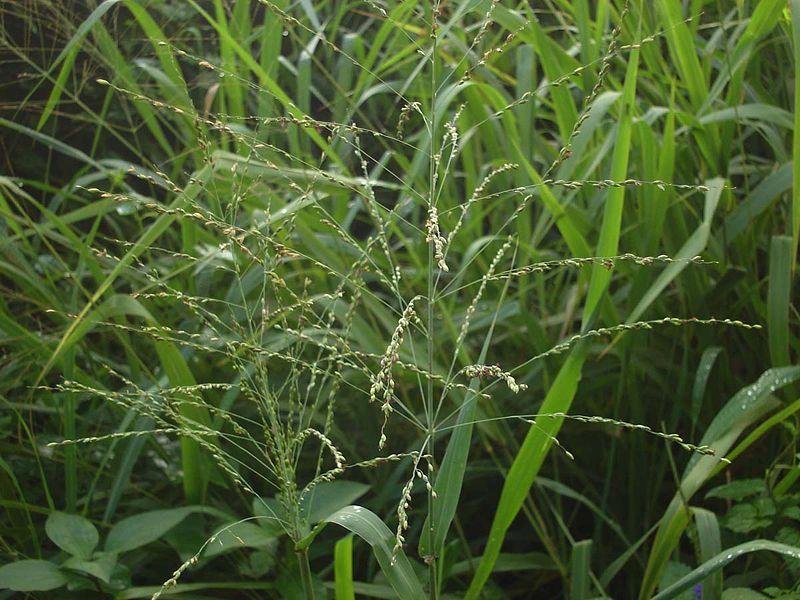
Panicum maximum (Zèb-Djinen) : medicinal properties in alcoholic extraction
Panicum maximum (Zèb-Djinen) — family Poacées.
This database documents alcoholic (ethanol) extractions of active substances. Our monograph currently lists 16 indications in alcoholic extraction for this species. The monograph draws on 17 scientific references recorded for the species.
Therapeutic indications in alcoholic extraction:
Note: scientific reference excerpts are kept in their original language (most often English), without translation, to respect the source text of publications.
- Fungal infection : Plant part used: Floret. Documented pharmacological profile: Ketoconazole-like.
Selon Doherty Funmilayo (2012) : Leaf & floret extracts had significant antifungal activity with varing zones of inhibition on Aspergillus tamari, Aspergillus fumigatus, Aspergillus niger & Candida albican: isolated from patients with skin diseases. Ethanol extracts of leaf, stem & florets of Panicum maximum plant were investigated for antifungal activity by disc diffusion agar method. Selon Kanife UC (2012) : Leaf & floret extracts had significant antifungal activity with varing zones of inhibition on Aspergillus tamari, Aspergillus fumigatus, Aspergillus niger & Candida albican: isolated from patients with skin diseases. - Depression : Plant part used: Root. Documented pharmacological profile: Imipramine-like.
Selon Okokon JE (2018) : The ethanol root extract of Panicum maximum (137-547 mg/kg) was investigated for antidepressant & anticonvulsant activities in mice using open field & forced swimming tests for depression models & aminophylline & pentylene tetrazol-induced convulsion for anticonvulsant activity evaluation. Selon Okokon JE (2018) : Methods: The ethanol leaf extract of Panicum maximum (48 -144 mg/kg) was investigated for antidepressant activity in in Swiss albino mice using open field, force swimming & tail suspension tests. Objective: To investigate the in vivo antidepressant activity of PM. - Osteoarthritis, arthritis, rheumatism, oedema : Plant part used: Root. Documented pharmacological profile: Acide Acetyl Salicylique (ASA)-like.
Selon Obot D (2020) : The recorded anti-inflammatory effects were comparable to those initiated by 100 mg/kg acetyl salicylic acid (ASA, standard drug) used in some of the models here. The root crude extract (137 –547 mg/kg) of PM was investigated for anti-inflammatory activity using various experimental models; carrageenan, egg albumin & xylene – induced edema models. Selon Okokon JE (2011) : The anti-inflammatory & antipyretic effects of this plant may in part be mediated through the secondary metabolites present in the plant.
Further indications (including other extraction modes where applicable), dosages, precautions for use and full scientific references are available in the complete monograph.
Lapotitjéri di la Nati medicinal database
Ethanolic extracts of active substances — monographs, indications, dosages and references for healthcare professionals. Ethnopharmacologist Emmanuel Nossin.
→ Search Panicum maximum in the database (subscription required)
Photo credit : Photo by Tauʻolunga without modification (CC BY 4.0). License : CC BY 4.0.