Panicum maximum (Zèb-Djinen) : vertus médicinales en extraction alcoolique
Panicum maximum (Zèb-Djinen) : vertus médicinales en extraction alcoolique
Panicum maximum (Zèb-Djinen) — famille Poacées.
Cette base documente les extractions alcooliques (éthanol) des substances actives. Notre monographie recense actuellement 16 indications en extraction alcoolique pour cette espèce. La monographie s’appuie sur 17 références scientifiques enregistrées pour l’espèce.
Indications thérapeutiques en extraction alcoolique :
Note : les extraits de références scientifiques sont conservés dans leur langue d’origine (le plus souvent l’anglais), sans traduction, afin de respecter le texte source des publications.
- Infection fongique : Partie usitée : Floret. Profil pharmacologique documenté : Ketoconazole-like.
Selon Doherty Funmilayo (2012) : Leaf & floret extracts had significant antifungal activity with varing zones of inhibition on Aspergillus tamari, Aspergillus fumigatus, Aspergillus niger & Candida albican: isolated from patients with skin diseases. Ethanol extracts of leaf, stem & florets of Panicum maximum plant were investigated for antifungal activity by disc diffusion agar method. Selon Kanife UC (2012) : Leaf & floret extracts had significant antifungal activity with varing zones of inhibition on Aspergillus tamari, Aspergillus fumigatus, Aspergillus niger & Candida albican: isolated from patients with skin diseases. - Dépression : Partie usitée : Racine. Profil pharmacologique documenté : Imipramine-like.
Selon Okokon JE (2018) : The ethanol root extract of Panicum maximum (137-547 mg/kg) was investigated for antidepressant & anticonvulsant activities in mice using open field & forced swimming tests for depression models & aminophylline & pentylene tetrazol-induced convulsion for anticonvulsant activity evaluation. Selon Okokon JE (2018) : Methods: The ethanol leaf extract of Panicum maximum (48 -144 mg/kg) was investigated for antidepressant activity in in Swiss albino mice using open field, force swimming & tail suspension tests. Objective: To investigate the in vivo antidepressant activity of PM. - Arthrose, arthrite, rhumatisme, oedeme : Partie usitée : Racine. Profil pharmacologique documenté : Acide Acetyl Salicylique (ASA)-like.
Selon Obot D (2020) : The recorded anti-inflammatory effects were comparable to those initiated by 100 mg/kg acetyl salicylic acid (ASA, standard drug) used in some of the models here. The root crude extract (137 –547 mg/kg) of PM was investigated for anti-inflammatory activity using various experimental models; carrageenan, egg albumin & xylene – induced edema models. Selon Okokon JE (2011) : The anti-inflammatory & antipyretic effects of this plant may in part be mediated through the secondary metabolites present in the plant.
D’autres indications (y compris d’autres modes d’extraction le cas échéant), posologies, précautions d’emploi et le détail des références scientifiques sont disponibles dans la fiche monographique complète.
Base médicinale Lapotitjéri di la Nati
Extraits éthanoliques des substances actives — monographies, indications, posologies et références pour professionnels de santé. Ethnopharmacologue Emmanuel Nossin.
→ Rechercher Panicum maximum dans la base (abonnement requis)
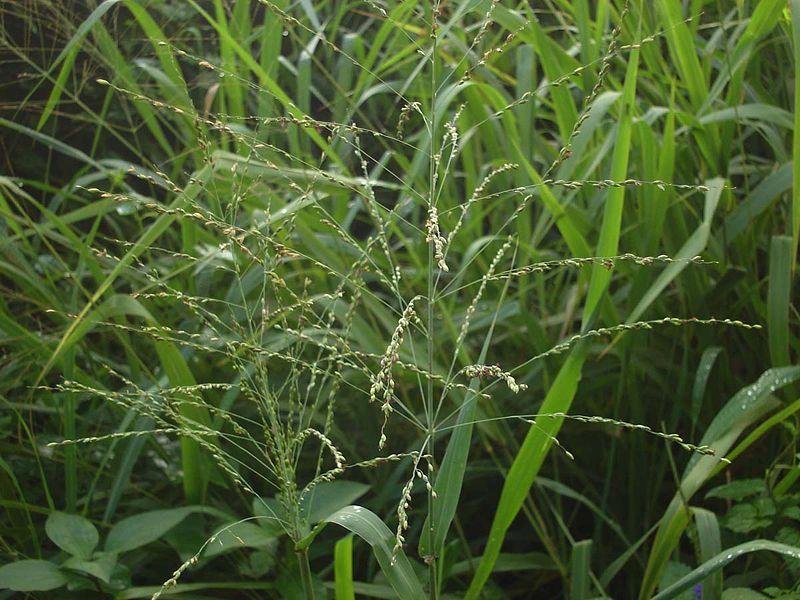
Crédit photo : Photo de Tauʻolunga sans modification (CC BY 4.0). Licence : CC BY 4.0.