
Pisonia aculeata (Kwôk-chien) : medicinal properties | Lapo
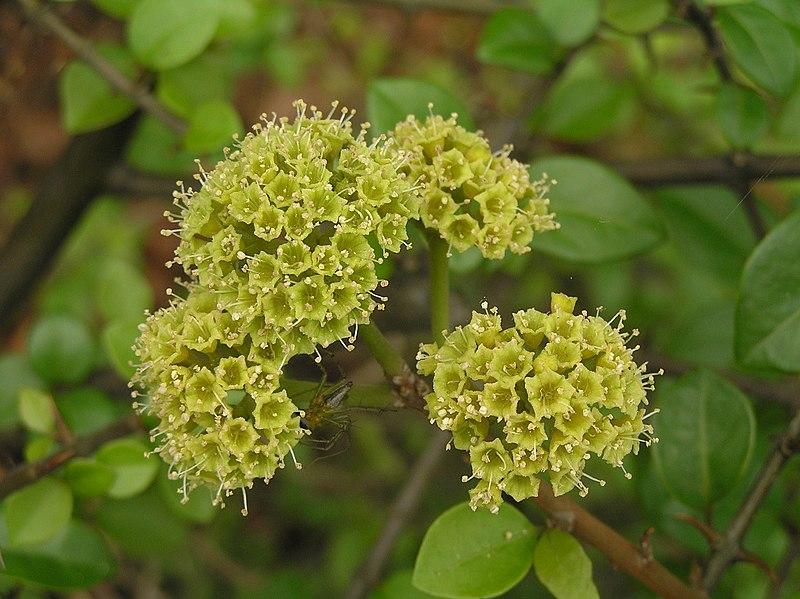
Pisonia aculeata (Kwôk-chien) : medicinal properties in alcoholic extraction
Pisonia aculeata (Kwôk-chien) — family Nyctaginacées.
This database documents alcoholic (ethanol) extractions of active substances. Our monograph currently lists 8 indications in alcoholic extraction for this species. The monograph draws on 24 scientific references recorded for the species.
Therapeutic indications in alcoholic extraction:
Note: scientific reference excerpts are kept in their original language (most often English), without translation, to respect the source text of publications.
- Type II diabetes mellitus : Plant part used: Sheet. Documented pharmacological profile: Glibenclamide-like.
Selon Mamoon Hussain S (2013) : Methods: Ethylacetate & ethanolic extract of the leaves of P aculeata were administered orally at doses of 100mg/kg & 200 mg/kg in normal and alloxan- induced diabetic rats. The aim of the present study was to evaluate the antihyperglycemic effect of leaves of Pisonia aculeata (Family: Nyctaginaceae) on alloxan-induced diabetes in rats. Selon Teja T (2013) : Hyperlipidemia has been associated as a complication with several metabolic diseases, including diabetes mellitus. - Liver disease : Plant part used: Sheet. Documented pharmacological profile: Silymarine-like.
Selon Anbarasu C (2011) : Methanolic extract of leaves of Pisonia aculeata (250 & 500 mg/kg, p.o.) showed a remarkable hepatoprotective and antioxidant activity against Rifampicin & Isoniazid induced hepatotoxicity as judged from the serum marker enzymes and antioxidant levels in liver tissues. Results indicate the hepatoprotective & antioxidant properties of P aculeata against rifampicin & isoniazid -induced hepatotoxicity in rats,. Selon Palanivel M (2008) : The plant extract (250 & 500 mg/kg, p.o.) showed a remarkable hepatoprotective a&antioxidant activity against carbon tetrachloride (CCl 4) -induced hepatotoxicity as judged from the serum marker enzymes and antioxidant levels in liver tissues. - Hypercholesterolaemia, hyperlipidaemia, hypertriglyceridaemia : Plant part used: Whole plant. Documented pharmacological profile: Lovastatine-like.
Selon Teja T (2013) : Hyperlipidemia has been associated as a complication with several metabolic diseases, including diabetes mellitus. Anti hyperlipidemic activity mainly due to the modulation of cholesterol levels, LDL, HDL, cholesterol levels, through an improvement of HDL – cholesterol levels & partly to reduce the levels of triglycerides. Selon Chakraborthy R (2008) : Extracts induced a rise in Na+/K+-ATPase activity, & ameliorated level of different enzymatic and non-enzymatic antioxidants positively, whereas lipid peroxidation decreased significantly.
Further indications (including other extraction modes where applicable), dosages, precautions for use and full scientific references are available in the complete monograph.
Lapotitjéri di la Nati medicinal database
Ethanolic extracts of active substances — monographs, indications, dosages and references for healthcare professionals. Ethnopharmacologist Emmanuel Nossin.
→ Search Pisonia aculeata in the database (subscription required)
Photo credit : Photo by HQ without modification (CC BY 4.0). License : CC BY 4.0.