
Pisonia aculeata (Kwôk-chien) : vertus médicinales en extraction alcoolique
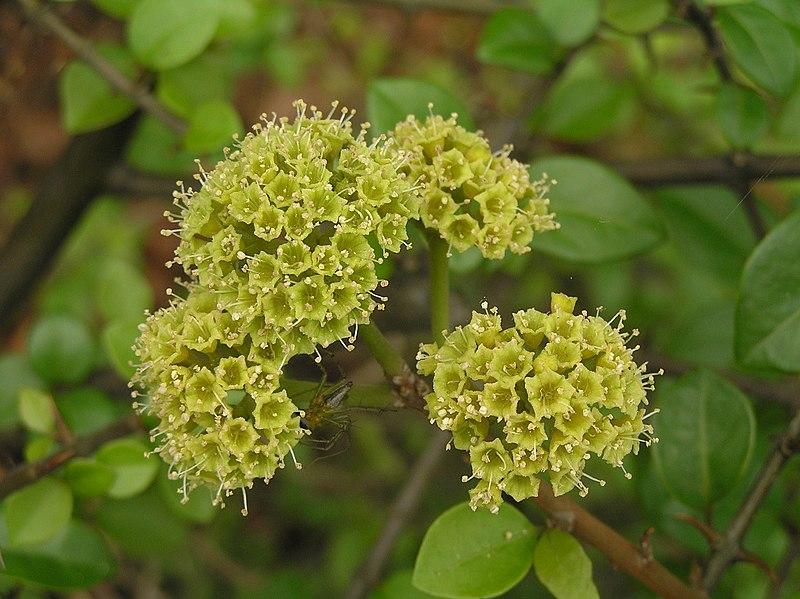
Pisonia aculeata (Kwôk-chien) : vertus médicinales en extraction alcoolique
Pisonia aculeata (Kwôk-chien) — famille Nyctaginacées.
Cette base documente les extractions alcooliques (éthanol) des substances actives. Notre monographie recense actuellement 8 indications en extraction alcoolique pour cette espèce. La monographie s’appuie sur 24 références scientifiques enregistrées pour l’espèce.
Indications thérapeutiques en extraction alcoolique :
Note : les extraits de références scientifiques sont conservés dans leur langue d’origine (le plus souvent l’anglais), sans traduction, afin de respecter le texte source des publications.
- Diabète mellitus de type II : Partie usitée : Feuille. Profil pharmacologique documenté : Glibenclamide-like.
Selon Mamoon Hussain S (2013) : Methods: Ethylacetate & ethanolic extract of the leaves of P aculeata were administered orally at doses of 100mg/kg & 200 mg/kg in normal and alloxan- induced diabetic rats. The aim of the present study was to evaluate the antihyperglycemic effect of leaves of Pisonia aculeata (Family: Nyctaginaceae) on alloxan-induced diabetes in rats. Selon Teja T (2013) : Hyperlipidemia has been associated as a complication with several metabolic diseases, including diabetes mellitus. - Affection hépatique : Partie usitée : Feuille. Profil pharmacologique documenté : Silymarine-like.
Selon Mamoon Hussain S (2013) : Blood samples were collected on the 10th day for estimation of biochemical parameters (serum urea, serum creatinine, serum cholesterol, serum protein). Results: Both extracts were able to produce a significant hypoglycemic effect as well as reduction in serum urea, serum creatinine & serum cholesterol. Selon Anbarasu C (2011) : Methanolic extract of leaves of Pisonia aculeata (250 & 500 mg/kg, p.o.) showed a remarkable hepatoprotective and antioxidant activity against Rifampicin & Isoniazid induced hepatotoxicity as judged from the serum marker enzymes and antioxidant levels in liver tissues. - Hypercholesterolemie, hyperlipidémie, hypertriglycéridémie : Partie usitée : Plante entière. Profil pharmacologique documenté : Lovastatine-like.
Selon Teja T (2013) : Hyperlipidemia has been associated as a complication with several metabolic diseases, including diabetes mellitus. Anti hyperlipidemic activity mainly due to the modulation of cholesterol levels, LDL, HDL, cholesterol levels, through an improvement of HDL – cholesterol levels & partly to reduce the levels of triglycerides. Selon Chakraborthy R (2008) : Extracts induced a rise in Na+/K+-ATPase activity, & ameliorated level of different enzymatic and non-enzymatic antioxidants positively, whereas lipid peroxidation decreased significantly.
D’autres indications (y compris d’autres modes d’extraction le cas échéant), posologies, précautions d’emploi et le détail des références scientifiques sont disponibles dans la fiche monographique complète.
Base médicinale Lapotitjéri di la Nati
Extraits éthanoliques des substances actives — monographies, indications, posologies et références pour professionnels de santé. Ethnopharmacologue Emmanuel Nossin.
→ Rechercher Pisonia aculeata dans la base (abonnement requis)
Crédit photo : Photo de HQ sans modification (CC BY 4.0). Licence : CC BY 4.0.