
Raphanus sativus (Radish) : medicinal properties | Lapo
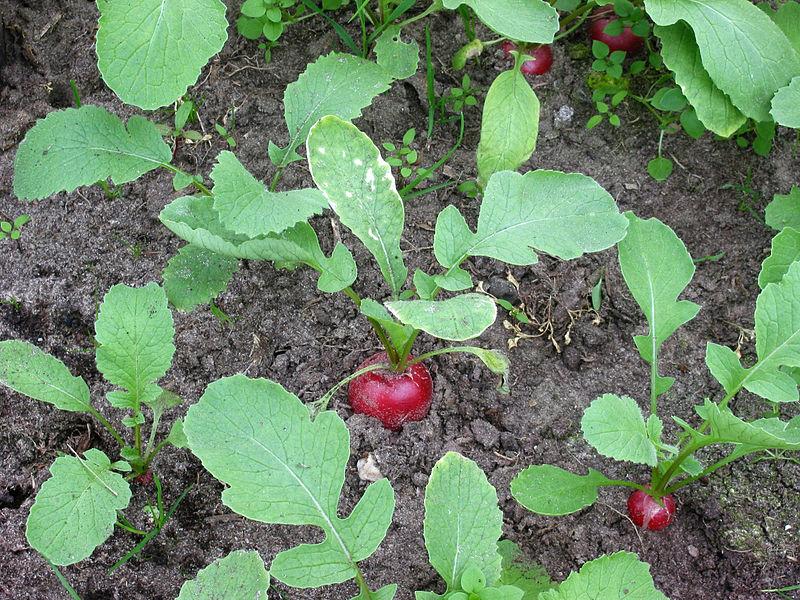
Raphanus sativus (Radish) : medicinal properties in alcoholic extraction
Raphanus sativus (Radish) — family Brassicacées.
Recognised external sources linked to this monograph: French Pharmacopoeia.
This database documents alcoholic (ethanol) extractions of active substances. Our monograph currently lists 22 indications in alcoholic extraction for this species. The monograph draws on 123 scientific references recorded for the species.
Therapeutic indications in alcoholic extraction:
Note: scientific reference excerpts are kept in their original language (most often English), without translation, to respect the source text of publications.
- Type II diabetes mellitus (Cv : Plant part used: Sheet. Documented pharmacological profile: Aminoguanidine-like.
Selon Elnour RO (2022) : Thyroid hormone increases metabolic actions in almost every tissue, & the current study was an attempt to evaluate scientifically the effects of Raphanus satives (Radish) in the treatment of diabetes mellitus.Objectives: The main objective of this study is to evaluate the hypoglycemic effect of Raphanus sativus (Radish) on induced hyperglycemic rats. Methods: An oral administration of ethanolic extract of RS in glucose loaded rats at dose of 250mg/k body weight, standard group was administered with 10mg/kg of hypoglycemic drug Glibenclamide for 2 consecutive weeks. Selon SAHA S (2025) : These findings suggest that RS leaf extract exerts antidiabetic effects through glucose regulation, oxidative stress reduction, & apoptosis inhibition, validating its therapeutic potential against type 2 diabetes mellitus. - Bacterial infection : Plant part used: Seed. Documented pharmacological profile: Chloramphénicol-like, Ciprofloxacine-like.
Selon Ahmad F (2012) : Objectives: The aim of the study is to test the potentiality of different solvent extracts (Ethanol, Methanol, Ethyl Acetate, Chloroform, Benzene, Aqueous hot & Aqueous cold) against various pathogenic bacterial strains E .coli (ATCC25922), Klebsiella pneumonia (ATCC-27736), Proteus vulgaris (AT CC – 6380), Pseudomonas aeruginosa (ATCC-27853), Staphylococcus aureus (ATCC-25923), Shigella sonnei (ATCC-25931), Salmonella typhi (ATCC-25241) & Salmonella paratyphi (ATCC-9150). The results suggest that ethanolic & methanolic extracts can be used in the treatment of infection caused by these bacterial strains used in this study. Selon -Ibrahim RM (2024) : -Ibrahim RM et al, Agro-byproduct valorization of radish & turnip leaves & roots as new sources of antibacterial & antivirulence agents through metabolomics & molecular networking. - Liver disorders : Plant part used: Sheet. Documented pharmacological profile: Silymarine-like.
Selon Anwar R (2006) : Paracetamol significantly increase the SGOT, SGPT, SLDH, SAP & serum total Bilirubin levels both in acute & chornic administration. Crude powder of RS also declined the SGOT, SGPT, SLDH, SAP & serum total bilirubin levels after the chornic administration of paracetamol. Selon Chaturvedi P (2007) : Degree of lipid peroxidation caused by paracetamol was measured in terms of thiobarbituric acid reactive substances (TBARS) & protection was measured in reference to serum glutamate oxaloacetate transaminase (SGOT), serum glutamate aspartate transaminase (SGPT), & blood & hepatic levels of antioxidants like glutathione & catalase.
Further indications (including other extraction modes where applicable), dosages, precautions for use and full scientific references are available in the complete monograph.
Lapotitjéri di la Nati medicinal database
Ethanolic extracts of active substances — monographs, indications, dosages and references for healthcare professionals. Ethnopharmacologist Emmanuel Nossin.
→ Search Raphanus sativus in the database (subscription required)
Photo credit : Photo by Rasbak without modification (CC BY-SA 3.0). License : CC BY-SA 3.0.