Syzygium aromaticum (Klou-Jiwôf) : medicinal properties | Lapo
Syzygium aromaticum (Klou-Jiwôf) : medicinal properties in alcoholic extraction
Syzygium aromaticum (Klou-Jiwôf) — family Myrtacées.
Recognised external sources linked to this monograph: TRAMIL and French Pharmacopoeia.
This database documents alcoholic (ethanol) extractions of active substances. Our monograph currently lists 21 indications in alcoholic extraction for this species. The monograph draws on 144 scientific references recorded for the species.
Therapeutic indications in alcoholic extraction:
Note: scientific reference excerpts are kept in their original language (most often English), without translation, to respect the source text of publications.
- Bacterial infection : Plant part used: Fruit (flower bud). Documented pharmacological profile: Colistine-like.
Selon Kalemba D (2003) : This paper reviews the Classical methods commonly used for the evaluation of essential oils antibacterial and antifungal activities. Factors influencing the in vitro antimicrobial activity of essential oils and the mechanisms of essential oils action on microorganisms are reported. Selon Khan R (2009) : ATCC strains of Streptococcus mutans, Staphylococcus aureus, Enterococcus faecalis, Streptococcus bovis, Pseudomonas aeruginosa, Salmonella typhimurium, Escherichia coli, Klebsiella pneumoniae & Candida albicans were also tested. - Helminthiasis : Plant part used: Pest control and veterinary products. Documented pharmacological profile: Albendazole-like.
Selon Kumar C (2012) : Ethanol extract of fruit of Cuminum cyminum (EECC), aqueous extract of fruit of C cyminum (AECC), Ethanol extract of fruit of Foeniculum vulgare (EEFV), aqueous extract of fruit of F vulgare (AEFV) & Ethanol extract of flowering Bud of Eugenia Caryophyllus (EEEC), aqueous extract of flowering Bud of E Caryophyllus (AEEC) were taken up for in vitro studies on the Anthelmintic activity against Pheretima posthuma. The results obtained from study indicate towards anthelmintic activity, supporting folk used of all three plants compared with reference standard. Selon Li D (2023) : The results showed that ethanol extracts of star anise (Illicium verum), chaulmoogra (Hydnocarpus anthelmintic), motherwort (Leonurus artemisia), mandarin orange peel (citri reticulata Pericarpium, i.e., peel of Citrus reticulata fruit), & Stemona (Stemona sessilifolia) had good contact acaricidal activities of 100, 98, 94, 88 & 86%, respectively, whereas star anise & clove (Syzygium aromaticum) had good fumigant acaricidal activities of 98 & 96%, respectively. - Fungal infection : Plant part used: Fruit (flower bud). Documented pharmacological profile: Nystatine-like, Clotrimazole-like.
Selon Kalemba D (2003) : This paper reviews the Classical methods commonly used for the evaluation of essential oils antibacterial and antifungal activities. Factors influencing the in vitro antimicrobial activity of essential oils and the mechanisms of essential oils action on microorganisms are reported. Selon Al-Ebady ZH (2010) : The present study was designed to evaluate the inhibitory effects of three local plant ethanolic extracts (Cyperus rotundus, Eugenia Caryophyllus & Coriandrum sativum) against the growth of Candida albicans in culture media by using of agar well diffusion method.
Further indications (including other extraction modes where applicable), dosages, precautions for use and full scientific references are available in the complete monograph.
Lapotitjéri di la Nati medicinal database
Ethanolic extracts of active substances — monographs, indications, dosages and references for healthcare professionals. Ethnopharmacologist Emmanuel Nossin.
→ Search Syzygium aromaticum in the database (subscription required)
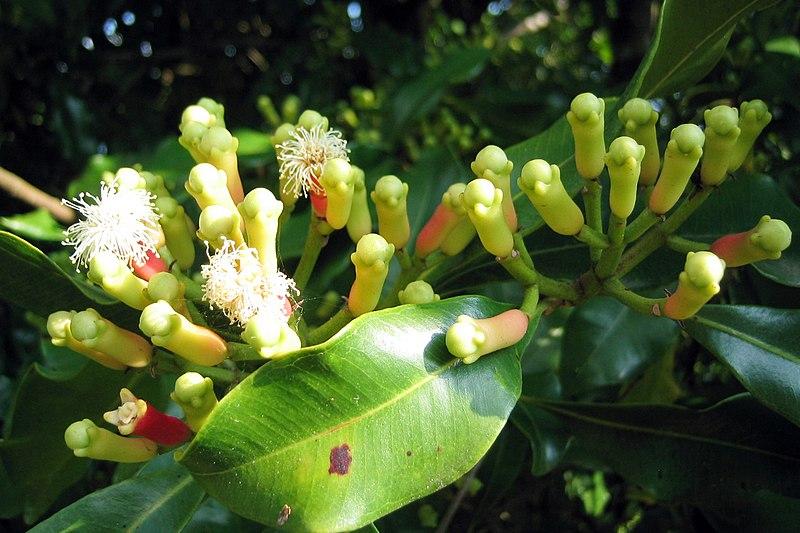
Photo credit : Photo by Tino Frey without modification (CC BY 4.0). License : CC BY 4.0.