
Taraxacum officinale (Dandelion) : medicinal properties | Lapo
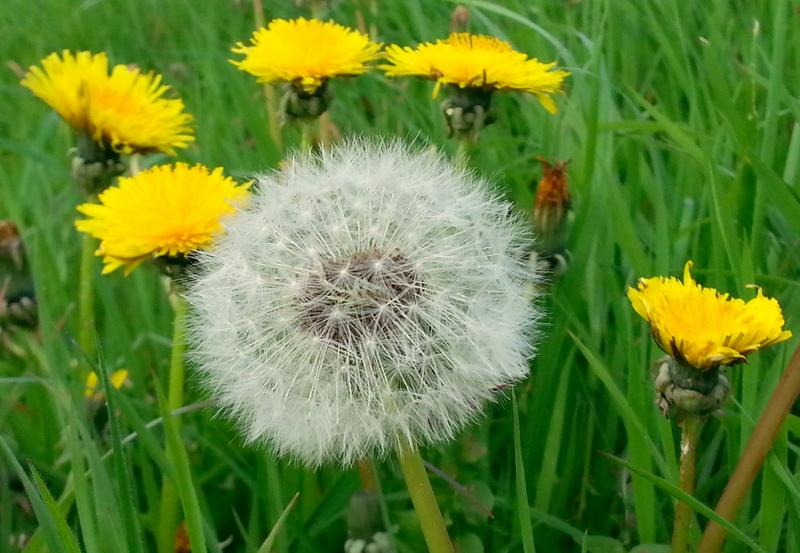
Taraxacum officinale (Dandelion) : medicinal properties in alcoholic extraction
Taraxacum officinale (Dandelion) — family Astéracées.
Recognised external sources linked to this monograph: French Pharmacopoeia.
This database documents alcoholic (ethanol) extractions of active substances. Our monograph currently lists 10 indications in alcoholic extraction for this species. The monograph draws on 140 scientific references recorded for the species.
Therapeutic indications in alcoholic extraction:
Note: scientific reference excerpts are kept in their original language (most often English), without translation, to respect the source text of publications.
- Cancer : Plant part used: Flower.
Selon Choi EJ (2009) : This study investigated the proapoptotic effect of ethanol extracts obtained from dandelion (Taraxacum officinale) flower on human ovarian cancer SK-OV-3 cells. Our findings indicate that DFE resulted in apoptotic cell death, suggesting that DFE possesses potential anticancer properties. Selon Ren F (2019) : Dandelion polysaccharides (DP) have been reported to possess anticancer activity. - Bacterial infection : Plant part used: Sheet. Documented pharmacological profile: Chloramphénicol-like.
Selon Oseni LA (2012) : Escherichia coli, Klebsiella pneumoneae, Pseudomonas auregenosa & Staphylococcus aureus were used as test organisms. In the current research, the ethanolic & aqueous leaf extracts of TO were screened for phytochemicals and in vitro antibacterial activity. Selon Espinoza L (2018) : The results obtained show that the Hex extract was highly active against Staphylococcus aureus showing a MIC of 200 g/mL & moderately active against Escherichia coli & Klebsiella pneumoniae with MIC values of 400 g/mL & 800 g/mL for the other Gram-negative strains tested with Proteus mirabilis as uropathogens in vitro. - Liver disorders : Plant part used: Root. Documented pharmacological profile: Silymarine-like.
Selon Domitrović, R (2010) : Conclusions : Our results suggest the therapeutic effect of DWE on CCl4-induced liver fibrosis by the inactivation of hepatic stellate cells & the enhancement of hepatic regenerative capabilities. The present study was aimed to assess the efficacy of dandelion root water–ethanol extract (DWE) in carbon tetrachloride (CCl4)-induced hepatic fibrosis. Selon Al-Malk AL (2013) : Dandelion leaves water extract was investigated for hepatoprotective activity against carbon tetrachloride induced liver damage.
Further indications (including other extraction modes where applicable), dosages, precautions for use and full scientific references are available in the complete monograph.
Lapotitjéri di la Nati medicinal database
Ethanolic extracts of active substances — monographs, indications, dosages and references for healthcare professionals. Ethnopharmacologist Emmanuel Nossin.
→ Search Taraxacum officinale in the database (subscription required)
Photo credit : Photo by Jonathan Billinger without modification (CC BY 4.0). License : CC BY 4.0.