
Taraxacum officinale (Pisanli) : vertus médicinales en extraction alcoolique
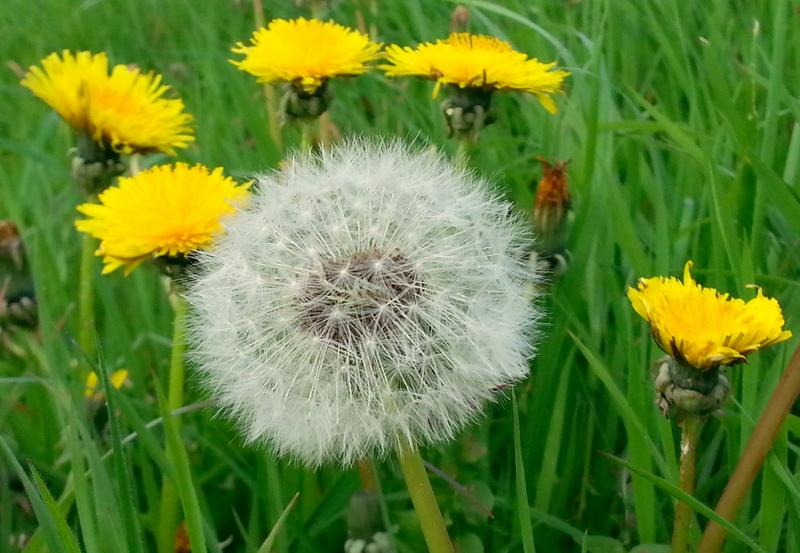
Taraxacum officinale (Pisanli) : vertus médicinales en extraction alcoolique
Taraxacum officinale (Pisanli) — famille Astéracées.
Sources externes reconnues associées à cette monographie : Pharmacopée française.
Cette base documente les extractions alcooliques (éthanol) des substances actives. Notre monographie recense actuellement 10 indications en extraction alcoolique pour cette espèce. La monographie s’appuie sur 140 références scientifiques enregistrées pour l’espèce.
Indications thérapeutiques en extraction alcoolique :
Note : les extraits de références scientifiques sont conservés dans leur langue d’origine (le plus souvent l’anglais), sans traduction, afin de respecter le texte source des publications.
- Cancer : Partie usitée : Fleur.
Selon Choi EJ (2009) : This study investigated the proapoptotic effect of ethanol extracts obtained from dandelion (Taraxacum officinale) flower on human ovarian cancer SK-OV-3 cells. Our findings indicate that DFE resulted in apoptotic cell death, suggesting that DFE possesses potential anticancer properties. Selon Ren F (2019) : Dandelion polysaccharides (DP) have been reported to possess anticancer activity. - Infection bactérienne : Partie usitée : Feuille. Profil pharmacologique documenté : Chloramphénicol-like.
Selon Oseni LA (2012) : Escherichia coli, Klebsiella pneumoneae, Pseudomonas auregenosa & Staphylococcus aureus were used as test organisms. In the current research, the ethanolic & aqueous leaf extracts of TO were screened for phytochemicals and in vitro antibacterial activity. Selon Espinoza L (2018) : The results obtained show that the Hex extract was highly active against Staphylococcus aureus showing a MIC of 200 g/mL & moderately active against Escherichia coli & Klebsiella pneumoniae with MIC values of 400 g/mL & 800 g/mL for the other Gram-negative strains tested with Proteus mirabilis as uropathogens in vitro. - Troubles hépatiques : Partie usitée : Racine. Profil pharmacologique documenté : Silymarine-like.
Selon Domitrović, R (2010) : Conclusions : Our results suggest the therapeutic effect of DWE on CCl4-induced liver fibrosis by the inactivation of hepatic stellate cells & the enhancement of hepatic regenerative capabilities. The present study was aimed to assess the efficacy of dandelion root water–ethanol extract (DWE) in carbon tetrachloride (CCl4)-induced hepatic fibrosis. Selon Al-Malk AL (2013) : Dandelion leaves water extract was investigated for hepatoprotective activity against carbon tetrachloride induced liver damage.
D’autres indications (y compris d’autres modes d’extraction le cas échéant), posologies, précautions d’emploi et le détail des références scientifiques sont disponibles dans la fiche monographique complète.
Base médicinale Lapotitjéri di la Nati
Extraits éthanoliques des substances actives — monographies, indications, posologies et références pour professionnels de santé. Ethnopharmacologue Emmanuel Nossin.
→ Rechercher Taraxacum officinale dans la base (abonnement requis)
Crédit photo : Photo de Jonathan Billinger sans modification (CC BY 4.0). Licence : CC BY 4.0.