
Ceiba pentandra (Fromajié) : vertus médicinales en extraction alcoolique
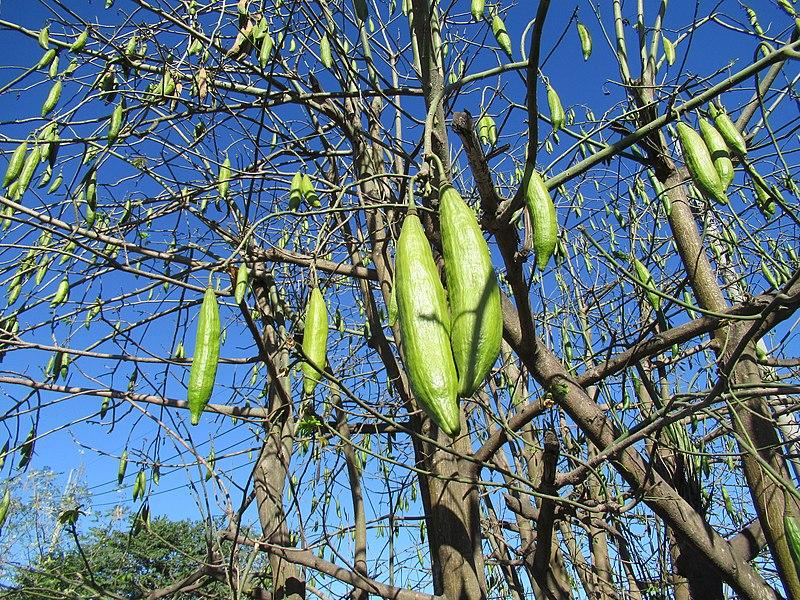
Ceiba pentandra (Fromajié) : vertus médicinales en extraction alcoolique
Ceiba pentandra (Fromajié) — famille Bombacacées.
Sources externes reconnues associées à cette monographie : TRAMIL.
Cette base documente les extractions alcooliques (éthanol) des substances actives. Notre monographie recense actuellement 19 indications en extraction alcoolique pour cette espèce. La monographie s’appuie sur 64 références scientifiques enregistrées pour l’espèce.
Indications thérapeutiques en extraction alcoolique :
Note : les extraits de références scientifiques sont conservés dans leur langue d’origine (le plus souvent l’anglais), sans traduction, afin de respecter le texte source des publications.
- Infection bactérienne : Partie usitée : Feuille. Profil pharmacologique documenté : Chloramphénicol-like.
Selon Auteur (2017) : In the present study the aqueous, methanol, ethanol & acetone extract of Ceiba pentandra were screened for the presence of phytochemical components and tested for antibacterial activity against Escherichia coli, Staphylococcus aureus, Klebsiella pneumonia, Enterobacter aérogènes, Pseudomonas a aeruginosa, Salmonella Typhimurium, Salmonella typhi, Staphylococcus epidermidis & Proteus vulgaris. The acetone extracts had wide range of antibacterial activity against bacterial pathogens than the ethanol & methanol extract, whereas aqueous extract was slightly higher antibacterial activity as ethanol extract. Selon Muñoz-Cazares N (2018) : pentandra against QSS-regulated phenotypes of Chromobacterium violaceum & Pseudomonas aeruginosa. - Diabète mellitus de type II : Partie usitée : Écorce. Profil pharmacologique documenté : Metformine-like. Association synergique mentionnée : AMARANTHUS VIRIDIS.
Selon Manoharan S (2009) : Diabetes mellitus was induced with streptozotocin & graded doses of the ethanolic bark extract (200 & 400 mg/kg, b.w.) were then administered to the experimentally diabetic rats. Objective: To evaluate the hypoglycaemic & anti-hyperglycaemic effect of ethanolic extract of CP bark in normal & streptozotocin induced diabetic rats. Selon Djomeni PDD (2006) : The results of this experimental animal study indicated that C pentandra possesses antidiabetic activity; & thus is capable of ameliorating hyperglycaemia in streptozotocin-induced type-2 diabetic rats & is a potential source for isolation of new orally active agent(s) for anti-diabetic therapy,. - Dermatomycose : Partie usitée : Feuille. Profil pharmacologique documenté : Ketoconazole-like.
Selon Chekuboyina RK (2012) : aeruginosa) & fungal stains, more specifically Aspergillus flavans, Aspergillus niger, Candida albicans & Saccharomyces cerevisiae. Maximum activity was observed on bacterial strains compared with fungal strains. Selon KWACHUKWU IN (2008) : Results showed that all the extracts inhibited the growth of standard & local strains of the organisms used, namely Epidermophyton floccosum, Microsporum canis, Trichophyton rubrum & Candida albicans.
D’autres indications (y compris d’autres modes d’extraction le cas échéant), posologies, précautions d’emploi et le détail des références scientifiques sont disponibles dans la fiche monographique complète.
Base médicinale Lapotitjéri di la Nati
Extraits éthanoliques des substances actives — monographies, indications, posologies et références pour professionnels de santé. Ethnopharmacologue Emmanuel Nossin.
→ Rechercher Ceiba pentandra dans la base (abonnement requis)
Crédit photo : Photo de FBenjr123 sans modification (CC BY 4.0). Licence : CC BY 4.0.