Curcuma amada (Jenjanb-mango) : vertus médicinales en extraction alcoolique
Curcuma amada (Jenjanb-mango) : vertus médicinales en extraction alcoolique
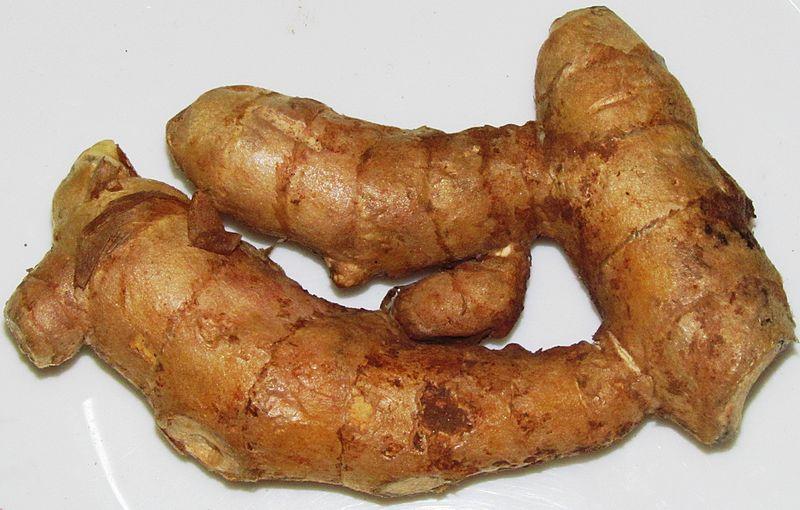
Curcuma amada (Jenjanb-mango) — famille Zingiberacées.
Cette base documente les extractions alcooliques (éthanol) des substances actives. Notre monographie recense actuellement 18 indications en extraction alcoolique pour cette espèce. La monographie s’appuie sur 87 références scientifiques enregistrées pour l’espèce.
Indications thérapeutiques en extraction alcoolique :
Note : les extraits de références scientifiques sont conservés dans leur langue d’origine (le plus souvent l’anglais), sans traduction, afin de respecter le texte source des publications.
- Infection bactérienne : Partie usitée : Rhizome. Profil pharmacologique documenté : Ampicilline-like, Streptomycine-like.
Selon Mahadevi R (2020) : The aim of the present paper assesses the phytochemicals, volatile compounds, antimicrobial & other biological activities, along with recent trends in research of C. It is traditionally used to treat various diseases which includes anti-inflammatory, anti-bacterial, anti-cancer, anti-tubercular, anti -allergy, anthelmintic & antipyretic activities. Selon Policegoudra RS (2007) : Policegoudra RS et al, Isolation & characterization of antioxidant & antibacterial compound from mango ginger (Curcuma amada Roxb.) rhizome. - Infection fongique : Partie usitée : Rhizome. Profil pharmacologique documenté : Nystatine-like.
Selon Pruksakorn P (2016) : Methodology: The ethanolic rhizome extracts of fifteen Zingiberaceae species were tested for antifungal activities against Candida albicans & three dermatophytes i.e., Trichophyton rubrum, Trichophyton mentagrophytes & Microsporum gypseum using broth microdilution assay. Dermatophytosis is fungal infections of the skin caused by dermatophytes & can be treated with currently available antifungal. Selon Singh G (2002) : longa as good antifungal material & cause complete mycelial growth of Colletotrichum falcatum (CF), Fusarium moniliforme (FM), at 1000 ppm & Curvularia Pallescens (CP), Aspergillus niger(AN), Fusarium oxysporum (FO), at 2000 ppm concentrations. - Cancer : Partie usitée : Rhizome. Profil pharmacologique documenté : Cisplatine-like.
Selon Ankita J (2013) : Acetone, Methanol, Ethanol & aqueous extracts of the rhizomes of C amada were screened for their anticancer properties. Curcuma amada has been shown to possess anti-inflammatory, antioxidant & antitumor properties. Selon Sutar J (2020) : amada have also possessed several pharmaceutical properties such as antimicrobial, anti-inflammatory, analgesic, anticancer, anti hyperglyceridemic, antioxidant activity etc.
D’autres indications (y compris d’autres modes d’extraction le cas échéant), posologies, précautions d’emploi et le détail des références scientifiques sont disponibles dans la fiche monographique complète.
Base médicinale Lapotitjéri di la Nati
Extraits éthanoliques des substances actives — monographies, indications, posologies et références pour professionnels de santé. Ethnopharmacologue Emmanuel Nossin.
Crédit photo : Photo de Psanu sans modification (CC BY-SA 4.0). Licence : CC BY-SA 4.0.