Curcuma amada (Jenjanb-mango) : medicinal properties | Lapo
Curcuma amada (Jenjanb-mango) : medicinal properties in alcoholic extraction
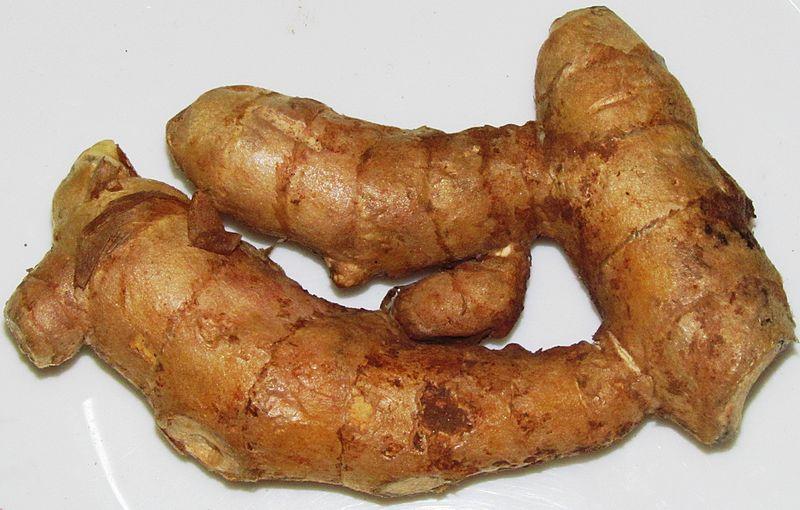
Curcuma amada (Jenjanb-mango) — family Zingiberacées.
This database documents alcoholic (ethanol) extractions of active substances. Our monograph currently lists 18 indications in alcoholic extraction for this species. The monograph draws on 87 scientific references recorded for the species.
Therapeutic indications in alcoholic extraction:
Note: scientific reference excerpts are kept in their original language (most often English), without translation, to respect the source text of publications.
- Bacterial infection : Plant part used: Rhizome. Documented pharmacological profile: Ampicilline-like, Streptomycine-like.
According to Mahadevi R (2020): The aim of the present paper assesses the phytochemicals, volatile compounds, antimicrobial & other biological activities, along with recent trends in research of C. It is traditionally used to treat various diseases which includes anti-inflammatory, anti-bacterial, anti-cancer, anti-tubercular, anti -allergy, anthelmintic & antipyretic activities. According to Policegoudra RS (2007): Policegoudra RS et al, Isolation & characterization of antioxidant & antibacterial compound from mango ginger (Curcuma amada Roxb.) rhizome. - Fungal infection : Plant part used: Rhizome. Documented pharmacological profile: Nystatine-like.
According to Pruksakorn P (2016): Methodology: The ethanolic rhizome extracts of fifteen Zingiberaceae species were tested for antifungal activities against Candida albicans & three dermatophytes i.e., Trichophyton rubrum, Trichophyton mentagrophytes & Microsporum gypseum using broth microdilution assay. Dermatophytosis is fungal infections of the skin caused by dermatophytes & can be treated with currently available antifungal. According to Singh G (2002): longa as good antifungal material & cause complete mycelial growth of Colletotrichum falcatum (CF), Fusarium moniliforme (FM), at 1000 ppm & Curvularia Pallescens (CP), Aspergillus niger(AN), Fusarium oxysporum (FO), at 2000 ppm concentrations. - Cancer : Plant part used: Rhizome. Documented pharmacological profile: Cisplatine-like.
According to Ankita J (2013): Acetone, Methanol, Ethanol & aqueous extracts of the rhizomes of C amada were screened for their anticancer properties. Curcuma amada has been shown to possess anti-inflammatory, antioxidant & antitumor properties. According to Sutar J (2020): amada have also possessed several pharmaceutical properties such as antimicrobial, anti-inflammatory, analgesic, anticancer, anti hyperglyceridemic, antioxidant activity etc.
Further indications (including other extraction modes where applicable), dosages, precautions for use and full scientific references are available in the complete monograph.
Lapotitjéri di la Nati medicinal database
Ethanolic extracts of active substances — monographs, indications, dosages and references for healthcare professionals. Ethnopharmacologist Emmanuel Nossin.
→ Search Curcuma amada in the database (subscription required)
Photo credit : Photo by Psanu without modification (CC BY-SA 4.0). License : CC BY-SA 4.0.