
Dillenia indica (pomme d’elephant) : vertus médicinales en extraction alcoolique
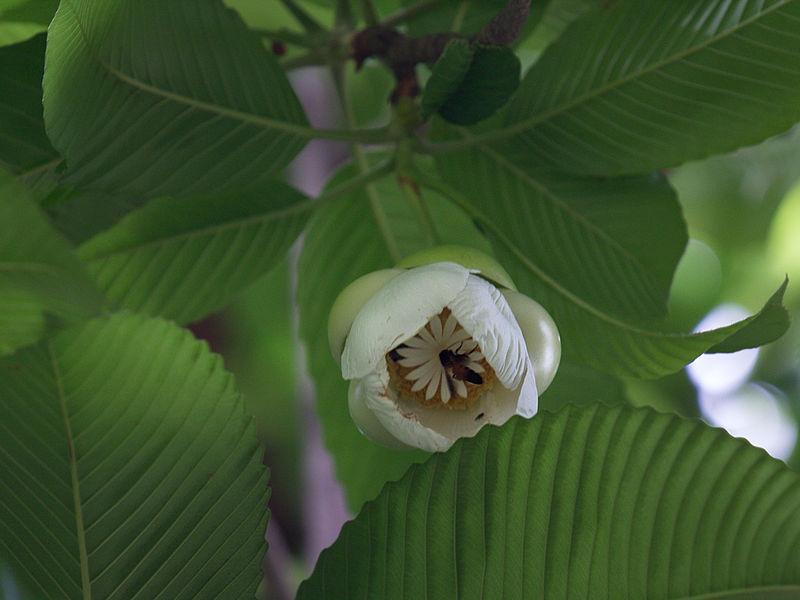
Dillenia indica (pomme d’elephant) : vertus médicinales en extraction alcoolique
Dillenia indica (pomme d’elephant) — famille Dilleniacées`.
Cette base documente les extractions alcooliques (éthanol) des substances actives. Notre monographie recense actuellement 16 indications en extraction alcoolique pour cette espèce. La monographie s’appuie sur 63 références scientifiques enregistrées pour l’espèce.
Indications thérapeutiques en extraction alcoolique :
Note : les extraits de références scientifiques sont conservés dans leur langue d’origine (le plus souvent l’anglais), sans traduction, afin de respecter le texte source des publications.
- Cancer : Partie usitée : Écorce de tige. Profil pharmacologique documenté : Vincristine-like.
Selon Borah B (2016) : Inhibition of tumor formation upto 88.3% was found after 15 weeks of treatment which clearly shows the antitumor property of DI fruit. There was réduction in the total papilloma count, tumor yield, tumor burden & tumor incidence when compared with carcinogen control group. Selon Rosangkima G (2010) : Ethnomedicinal value of some anticancer medicinal plants from Northeast India: an in vivo screening in murine tumor model. - Diarrhée : Partie usitée : Feuille. Profil pharmacologique documenté : Lopéramide-like.
Selon Auteur (2012) : This study Protocol, we have investigated antimicrobial, Cytotoxic, Antidiarrhoeal, Analgesic & CNS depressant activity of the ethanolic extracts of leaves & fruits of Dillenia indica. The plant parts showed Antidiarrhoeal activity which was measured by castor oïl induced method & charcoal plug method. Selon Rahman S (2011) : In this study, ethanolic extract of the leaf & fruit of Dillenia indica was the experimental sample where antidiarrhoeal activity was analyzed. - Infection bacterienne : Partie usitée : Écorce de tige. Profil pharmacologique documenté : Kanamycine-like.
Selon Jaiswal S (2014) : The ability of these extracts to cause the disintegration of cell wall & leakage of genetic material is most likely to be the factor for their antibacterial activity. At 500 μg/plate concentration, bark extract showed significantly (p<0.01) higher antimutagenic activity in Ames testagainst the sodium azide induced mutation in Salmonella tester strain (TA-1531). Selon Auteur (2012) : In the test of antimicrobial & Antibacterial activity, it had been confirmed that leaf & fruit extract have inhibitory property for the growth of micro organism & it was also established by the test of MIC.
D’autres indications (y compris d’autres modes d’extraction le cas échéant), posologies, précautions d’emploi et le détail des références scientifiques sont disponibles dans la fiche monographique complète.
Base médicinale Lapotitjéri di la Nati
Extraits éthanoliques des substances actives — monographies, indications, posologies et références pour professionnels de santé. Ethnopharmacologue Emmanuel Nossin.
→ Rechercher Dillenia indica dans la base (abonnement requis)
Crédit photo : Photo de Mamtavn sans modification (CC BY-SA 3.0). Licence : CC BY-SA 3.0.