
Dillenia indica (elephant apple) : medicinal properties | Lapo
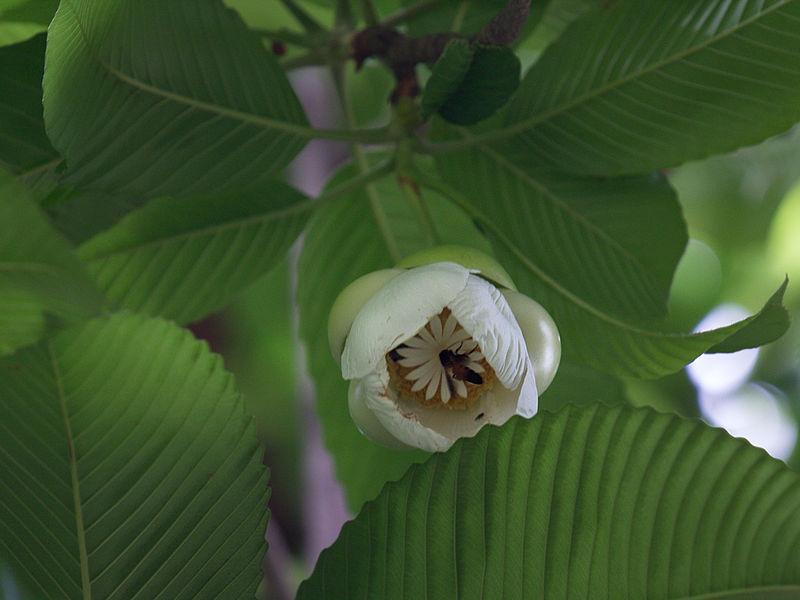
Dillenia indica (elephant apple) : medicinal properties in alcoholic extraction
Dillenia indica (elephant apple) — family Dilleniacées`.
This database documents alcoholic (ethanol) extractions of active substances. Our monograph currently lists 16 indications in alcoholic extraction for this species. The monograph draws on 63 scientific references recorded for the species.
Therapeutic indications in alcoholic extraction:
Note: scientific reference excerpts are kept in their original language (most often English), without translation, to respect the source text of publications.
- Cancer : Plant part used: Stem bark. Documented pharmacological profile: Vincristine-like.
According to Borah B (2016): Inhibition of tumor formation upto 88.3% was found after 15 weeks of treatment which clearly shows the antitumor property of DI fruit. There was réduction in the total papilloma count, tumor yield, tumor burden & tumor incidence when compared with carcinogen control group. According to Rosangkima G (2010): Ethnomedicinal value of some anticancer medicinal plants from Northeast India: an in vivo screening in murine tumor model. - Diarrhoea : Plant part used: Sheet. Documented pharmacological profile: Lopéramide-like.
According to Author (2012): This study Protocol, we have investigated antimicrobial, Cytotoxic, Antidiarrhoeal, Analgesic & CNS depressant activity of the ethanolic extracts of leaves & fruits of Dillenia indica. The plant parts showed Antidiarrhoeal activity which was measured by castor oïl induced method & charcoal plug method. According to Rahman S (2011): In this study, ethanolic extract of the leaf & fruit of Dillenia indica was the experimental sample where antidiarrhoeal activity was analyzed. - Bacterial infection : Plant part used: Stem bark. Documented pharmacological profile: Kanamycine-like.
According to Jaiswal S (2014): The ability of these extracts to cause the disintegration of cell wall & leakage of genetic material is most likely to be the factor for their antibacterial activity. At 500 μg/plate concentration, bark extract showed significantly (p<0.01) higher antimutagenic activity in Ames testagainst the sodium azide induced mutation in Salmonella tester strain (TA-1531). According to Author (2012): In the test of antimicrobial & Antibacterial activity, it had been confirmed that leaf & fruit extract have inhibitory property for the growth of micro organism & it was also established by the test of MIC.
Further indications (including other extraction modes where applicable), dosages, precautions for use and full scientific references are available in the complete monograph.
Lapotitjéri di la Nati medicinal database
Ethanolic extracts of active substances — monographs, indications, dosages and references for healthcare professionals. Ethnopharmacologist Emmanuel Nossin.
→ Search Dillenia indica in the database (subscription required)
Photo credit : Photo by Mamtavn without modification (CC BY-SA 3.0). License : CC BY-SA 3.0.