Mentha arvensis (Lanmant) : vertus médicinales en extraction alcoolique
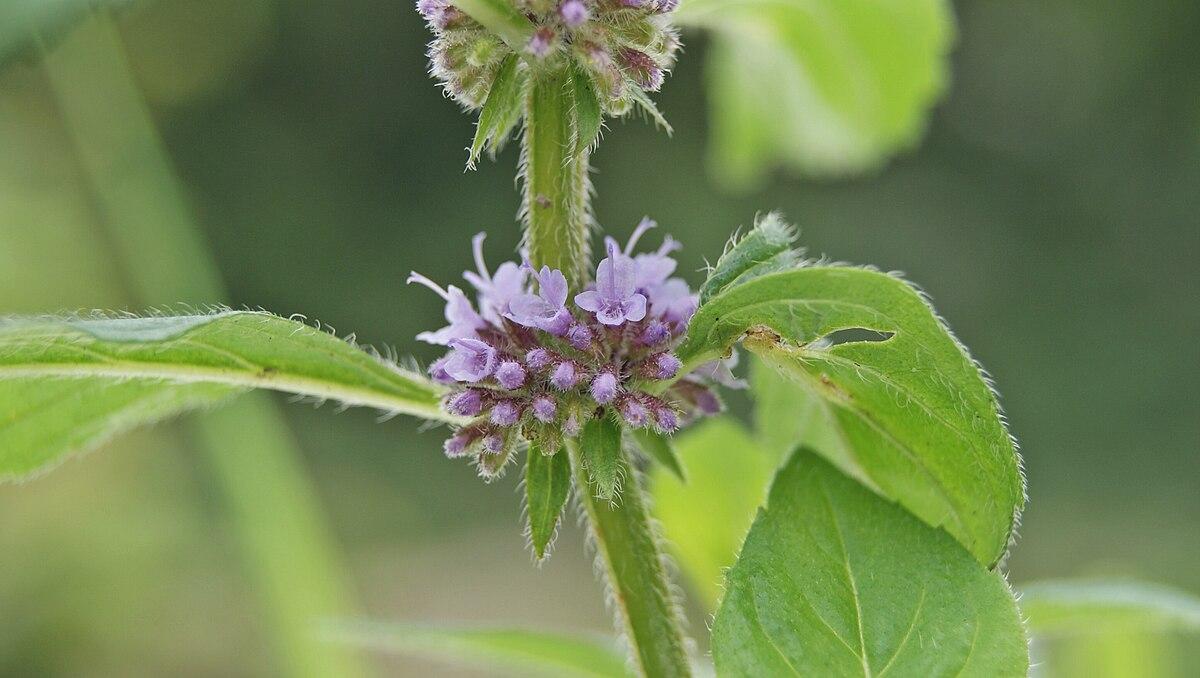
Mentha arvensis (Lanmant) : vertus médicinales en extraction alcoolique
Mentha arvensis (Lanmant) — famille Lamiacées.
Sources externes reconnues associées à cette monographie : TRAMIL.
Cette base documente les extractions alcooliques (éthanol) des substances actives. Notre monographie recense actuellement 20 indications en extraction alcoolique pour cette espèce. La monographie s’appuie sur 53 références scientifiques enregistrées pour l’espèce.
Indications thérapeutiques en extraction alcoolique :
Note : les extraits de références scientifiques sont conservés dans leur langue d’origine (le plus souvent l’anglais), sans traduction, afin de respecter le texte source des publications.
- Infection bactérienne : Partie usitée : Feuille. Profil pharmacologique documenté : Kanamycine-like, gentamycine-like, néomycine-like. Association synergique mentionnée : Chlorpromazine.
Selon Couthinho HDM (2009) : This is the first report testing the antibiotic resistance-modifying activity of Mentha arvensis against MRSA (methicillin – resistant Staphylococcus aureus). Materials & Methods: In this study an ethanol extract of MA & chlorpromazine were tested for their antimicrobial activity alone or in combination with conventional antibiotics against MRSA strains. Selon Asghar M (2022) : Our results showed FM.E induce ROS generation, cytotoxicity & inhibit Staphylococcus aureus (4.20±0.90 mm) & Pseudomonas aeruginosa (3.23±0.32 mm) growth. - Troubles hépatiques : Partie usitée : Feuille. Profil pharmacologique documenté : Silymarine-like.
Selon Patil K (2012) : Methods :Hepatotoxicity was induced by CCL4 and the biochemical parameters such as serum glutamate pyruvate transminase (sGPT), serum glutamate oxaloacetate transaminase (sGOT), alkaline phosphatase (sALP), serum bilirubin (sB) & histopathological changes in liver were studied along with silymarin as standard Hepatoprotective agents. To study the Hepatoprotective activity of ethanol, chloroform & aqueous extracts of Mentha arvensis leaves against CCL4induced liver damage in rats. Selon Rajesh K (2013) : The aim of the study is to investigate the ethanol extract of Mentha arvensis leaves were screened for its hepatoprotective & antioxidant activities in CCl4 (1 ml/kg bw) induced hepatic damage in rats. - Cancer : Partie usitée : Feuille. Profil pharmacologique documenté : Paclitaxel-like.
Selon Patil K (2012) : Methods :Hepatotoxicity was induced by CCL4 and the biochemical parameters such as serum glutamate pyruvate transminase (sGPT), serum glutamate oxaloacetate transaminase (sGOT), alkaline phosphatase (sALP), serum bilirubin (sB) & histopathological changes in liver were studied along with silymarin as standard Hepatoprotective agents. To study the Hepatoprotective activity of ethanol, chloroform & aqueous extracts of Mentha arvensis leaves against CCL4induced liver damage in rats. Selon Rajesh K (2013) : The aim of the study is to investigate the ethanol extract of Mentha arvensis leaves were screened for its hepatoprotective & antioxidant activities in CCl4 (1 ml/kg bw) induced hepatic damage in rats.
D’autres indications (y compris d’autres modes d’extraction le cas échéant), posologies, précautions d’emploi et le détail des références scientifiques sont disponibles dans la fiche monographique complète.
Base médicinale Lapotitjéri di la Nati
Extraits éthanoliques des substances actives — monographies, indications, posologies et références pour professionnels de santé. Ethnopharmacologue Emmanuel Nossin.
→ Rechercher Mentha arvensis dans la base (abonnement requis)
Crédit photo : Photo de Danny S. sans modification (CC BY 4.0). Licence : CC BY 4.0.